Attention all creative professionals– even if your chosen profession is not the most traditional one, cultivating and growing a successful, financially rewarding career is still your goal. In “The Hero’s Journey in London”, Peter de Kuster provides you in this journey through London with stories of creative professionals of past and present with advice on overcoming some of the specific challenges faced by right-brainers who want a career that is both satisfying and successful.
Freelancers, those thinking about changing careers midstream, and even creative people working in corporate environments need a set of skills that will turn their passion into a viable career. These skills include:
* How to chose the career that best suits your talents
* Setting realistic goals using right-brain techniques
* How to avoid the pitfalls that ruin a creative career
* How to schmooze your way to success
* How to create a business plan when you are the business
* How to be disciplined when you are your own boss
When you find an outlet for your creativity in the form of a acting career, you’ll discover a freedom in your working life that you can live with for the long term. You can follow your passion, build a brilliant career, and have financial security — if you know which skills to use. Let Peter show you the way.
Practical Info
The price of this one day seminar with Peter de Kuster in London is Euro 995 excluding VAT per person. There are special prices when you come with three or more travellers.
You can reach Peter for questions about dates and the program by mailing him at peter@wearesomeone.nl
TIMETABLE
09.40 Tea & Coffee on arrival
10.00 Morning Session
13.00 Lunch Break
14.00 Afternoon Session
17.00 Drinks
About Peter de Kuster
Peter de Kuster is the founder of The Hero’s Journey & Heroine’s Journey project, a storyteller who helps creative professionals to create careers and lives based on whatever story is most integral to their lives and careers (values, traits, skills and experiences). Peter’s approach combines in-depth storytelling and marketing expertise, and for over 20 years clients have found it effective with a wide range of creative business issues.
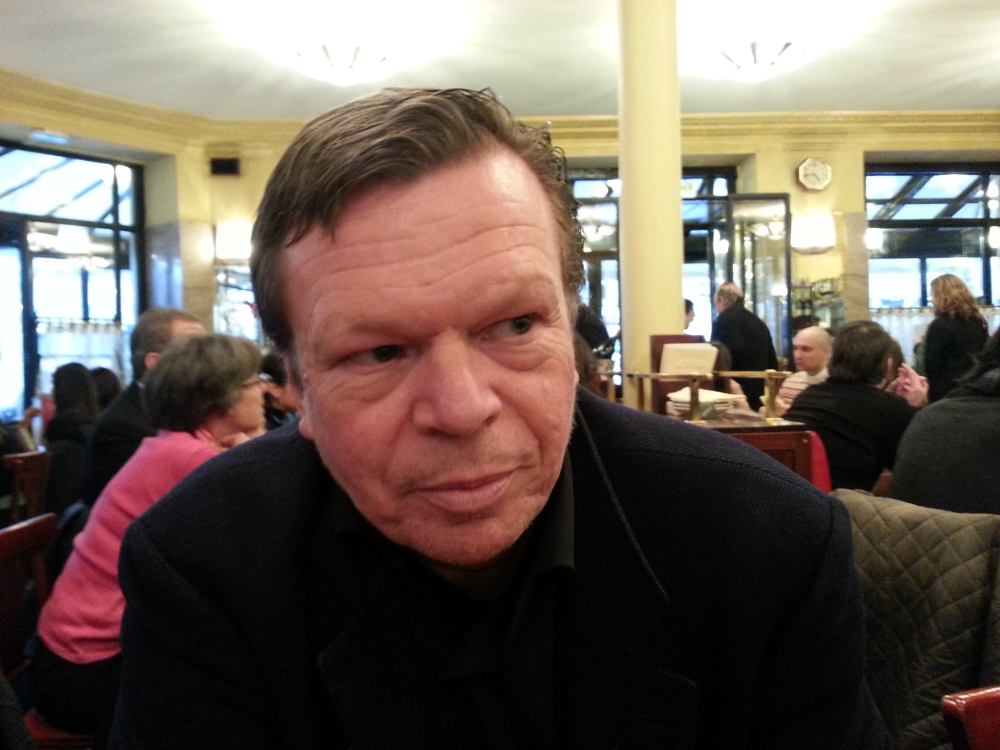
Peter is writer of the series The Heroine’s Journey and Hero’s Journey books, he has an MBA in Marketing, MBA in Financial Economics and graduated at university in Sociology and Communication Sciences.
Introduction
There is no such thing as the perfect career. That is what many people really think, and it is sad, because there are plenty of rewarding, challenging, and fulfilling career opportunities that allow creative people to use their gifts and be rewarded handsomely for their efforts. Those who settle for less than the best simply haven’t found the right job – yet. You can have it all when it comes to a creative career – if you know how.
The fact is that most people hate their jobs. They would rather be doing something else – anything else. It doesn’t have to be that way. What if I told you that you would never have to work another day in your life? Would you be interested? When you find the right fit in a career, it no longer feels like work. You wake up every day excited abou how you earn your living. This perfect harmonizing of your talents, skills, personality and work style creates a passion and a desire as well as a feeling of contentment that is worth more than gold.
It can all be yours, if you will read this travel guide and apply its principles.
The challenge is that the creative arts are very different from other fields. To go ahead, you sometimes have to zigzag to the top. Let me show you when to zig and when to zag to make the most of the opportunities out there.
Finding contentment in your career is a lot like looking for treasure. Using a map, you embark on a journey, an adventure in search of yourself. The thing is, there isn’t a pot of gold waiting for you when you get to the spot marked ‘X’ on the map. The buried treasure is within you. The pursuit of the gold (or the goal) is the reward. Because, when it comes to a career, there is no ‘there’ there. It is all a search. Enjoying the search is what success is all about.
This is the age of opportunity for the creative person. Innovation and ideas are gold. Ridicule and red tape are being replaced with respect and rewards for the clever and creative person The work environment and job market are changing, and they are changing for the better – for you. Are you ready for these exciting times ahead? This guide will put you in a position to prosper. What parents, teachers, and bosses might see as problems (sloppiness, habitual tardiness, short attention span, nonconformism) can actually be hidden assets in the search for work in a rewarding and interesting creative career. Intuition, emotion, divergent thinking, daydreaming, thriving on chaos, big picture thinking, cleverness, open-mindedness, and an ability to play and have fun are virtues in the right setting.
Even so it is not exactly easy to build a career in the creative arts. You have to be able to deal with heaping helpings of rejection. It is a part of everyday life for the creative person.

There is also that funny feeling that you don’t quite fit in – and you don’t. Thank God. An unconventional person with unconventional ideas, you are often seen as immature, temperamental, moody, difficult, distracted, irresponsible and irrational.
The truth is, you can be your wonderful self and still get ahead in the corporate world – or work for yourself, as many creative people do. Whichever you choose, this guide will help you manage your career using a whole brain approach that takes advantage of the way you are, without forgetting the way the world works.
Your Call To Adventure
It is time to move on, move up and move out with a new mission. This guide is about taking charge of your destiny. Be the author of your life story. Its hero.

Most guides on careers are very thorough when it comes to identifying and informing you about the problems and pitfalls of a career as creative professional. What they lack, however, is the WHAT THE HELL AM I SUPPOSED TO DO ABOUT IT? part. I decided this was going to be a real life guide with stories and examples of creative heroes of past and present who tried or succeeded to make money doing what they love. A guide heavy on concrete help and light on lengthy explanations of the challenges. You already KNOW what those are – you deal with them every day. So let’s go on a hero’s journey and tackle these monsters head-on.
New creative professions are popping up all the time. More media means more content. There has never been a better time to strike out on your own and make your way as an entrepreneur (or freelance your way to success). This is your time to shine as a creative person. The future looks bright. Many of the current trends favor your preferred mode of operation – self-reliance, zigzagging to the top, rapid change, multitasking, chaos, adaptability, intuition, training and retraining.

This guide will show you how to find, create and tell your unique story, and then how to earn a living doing what your love. You will learn how to overcome the challenges the creative professional faces, and how to make your nature and your creativity work for you. You’ll learn how to market yourself and your art even in a crowded marketplace, survive and thrive in the battlefield that is the creative business, be your own boss and work for others, take the ‘free’ out of ‘freelance’, rise to the top without stepping on too many toes, and use your natural abilities to find a perfect pitch and harmony in your story about work.
Your story is your life
There is a direct, undeniable correlation between the story you tell yourself about you and your career and your life story. It is less about what you do for a living than what you can live with doing. Finding fun and fulfillment at work spills over into the rest of your life. Without it, your health will suffer, your creativity will suffer, your work will suffer – and so will everybody around you. You don’t need to live that way.

If you are thinking of giving up on a creative career and getting a ‘real’ job, stop right there. When you settle for less than wat is best for you, you instantly get less than you settled for. Don’t sell yourself short. The regret will eat you up inside. Don’t miss your chance; it may be right around the corner. Instead, get going and go for it – be bold.

Don’t let others push boulders in your path and fill your head with factoids like ‘most businesses fail in the first year’, ‘it is too competitive out there’, ‘there are NO jobs’, ‘you don’t have enough experience or talent’, ‘only the top can make a living’. It is bad enough that these insecure and misinformed people are telling you why you cannot succeed. It is worse if you believe them. Don’t let anyone talk your dreams down.
This guide is for creative professionals in all walks of life – composers, brand gurus, painters, poets, musicians, magicians, designers or dj’s, writers or actrices. It is not meant to apply to just the glamour jobs; whatever form your creativity takes, you can apply this story.
For everyone who tells you ‘you can’t make a living doing that’ there are hundres of stories of creative people in Paris who found a way to turn something they thought was fun and would even do for free into a fulfilling career. I will help you take your powerful creative energy and harness it, and you will beat the odds, making a living doing what you love to do. Your life will become a legend. A work of art.
Your Hero’s Journey
Few people know what they want to be when they grow up, and even fewer creative people want to grow up. Maybe you won’t discover your true calling until you make some Hero’s Journeys. Testdrives in your dreamjobs by exploring stories of heroes you are interested in. Meeting your rolemodels and interviewing them for the Hero’s Journey.
Is it not better to make a testdrive in your dreamjob, meeting people who do what you believe you will love to do for a living, using that incredible imagination of yours, than waste years on a dead – end job? One of the key things you will work on here is finding and creating your story about what you want to do (not for the rest of your life, but what you want to do now) and eliminating the careers that are not a fit.
The choices that lead to a life of creative expression and financial security are there for the making. The catch is that creative careers are often unconventional and in some cases completely unchartered. The challenge is that there are a million different things you could do.

The key to success in any career is clarity in your story. Becoming clear about who you are and what you want is the first part of this Hero’s Journey in Paris. Then how you get what you want is covered in great detail. It is hard work, but this is your chance to reinvent yourself. Don’t let it pass by you.
What is Right About You?
Success for a creative person can be tremendous. Not just in money, but in creative freedom. Look at the list of highest paid entertainers and entrepreneurs, they are all people who don’t fit any mold, but they are also people who used that fact to their benefit.

You can do it, too, in your own way, on your own time, reaching your own goals. Unmire yourself from the myths about creative people. Don’t be afraid to look at your strenghts and weaknesses. Face the fact that traditional business management, which is left brain, logical and linear (not to mention rigid, boring and counterproductive) doesn’t work for you. It isn’t much fun, and if it is not at least a little bit of fun, you are not going to do it. It is that simple. If it is not fast, fun, flexible and easy, you are less likely to embrace it. Be willing to work within a story system as long as it is one you create and one that works with you as well for you.
You Could Be Even More Wonderful
Creatives can have an insatiable hunger to achieve, create, accomplish. They want to be recognized and heard, receive applause and take home awards. They desire change, to create a body of work, to earn, to make deals. Many people who don’t know what they want actually want too much, too fast.

The key to success is learning how to focus on what is most important. It is counterproductive to try to do too many things at once, nor is it good to focus on only one area of your life. One way to whittle it down (focus) and spread it around (balance) is to have an integrating great story about your life. With one top goal for every area of your life united by your one great story.
Take a good hard look at who you are and what you want from life. Sometimes having everything to be just okay, having an adequate job and a moderate life, is the biggest tragedy of all. Take the time now to find yourself, so you can live your life without getting lost and make good decisions that will lead you to the success and happiness you desire.

We are all born creative. What happens to us from kindergarten to college shapes how much of that creativity stays with us. Some, despite the best efforts of the school system and corporate system to stamp out the creative spirit, slip through the cracks, creativity intact. You are still not safe. Ninety eight percent of the people in the world are living the left brained life. Society tends to reward the left brain (structure, status quo) and reprimand the right brain (chaos, creativity, innovation).
You can stunt your creative spirit with disuse. You cannot lose a talent, but your skills can certainly atrophy. Yet almost any job can be done creatively. Creative careers are everywhere. Entrepreneurs must be creative to survive, managing people can be done creatively, marketing certainly involves a degree of creativity, even distribution can be a right brained affair. What makes any career interesting, exciting, and vital is the creative approach you take to it. Happiness in business comes from finding your greatest gifts and abilities and then developing and using them in the work you do.
The Right Brain
Creativity and creative careers involve a whole brain story, an interaction between the left hemisphere of your brain (the detail-oriented, accountant side) and the right hemisphere (the big picture, artistic side). The right brain comes up with the ideas and the left brain implements them. Too much right brain and nothing gets done; too much left brain and life is dull and uninspiring.

As a creative professional, you are absolutely unique (and wonderful). There has never been anyone like you and there never will be again. Ponder that for a moment. Beneath all the self-doubt, guilt, fear, remorse and distorted beliefs is a gem of a person who, more than anything, deserves to be happy, successful and fulfilled. To have a career that is rewarding and challenging. A career that fits like a glove and is such a joy that you would do it for free – but is so valuable to others that you are paid well. And why not? You have found your place in the universe, you are making a contribution with your talent and creativity.
Once you understand yourself and what work you enjoy doing, you can work with your natural abilities and tendencies rather than against them. It makes life much easier. This is something that is unique to you. It is what will work best for you. So don’t breeze past the questions in this guide. Make the time to really give some thought to who you are, what you want to do, and what would be the best way to go about doing it. I have always said that to find yourself you need to get lost. you need time for reflection, away from the hustle and bustle of your busy life, to open yourself to new possibilities.
Do the Questionnaire
Do you honestly love what you do now? Are you excited to go to work on monday? Do you go home happy? If you answered no to any of these questions, there is a better way.

The following quiz gives you an indication of where your creative tendencies lie – left brain, right brain or whole brain. Answer honestly and quickly. Don’t dwell on the answers and do not try to figure out where we are looking for. There is no ‘right answer’.
- When it comes to emotions
a. I can articulate my feelings to others
b. I am better at expressing my emotions through my work - I have always been told
a. I would make a great accountant
b. I was a natural born artist - Success is
a. closely related to annual income
b. unrelated to the money I make - When trying to explain how I came up with an idea a. I am able to put in into terms others can understand b. I feel like an alien from another planet.
- When I am working on a project a. I am not happy until it is done b. I enjoy the process
- It is a beautiful summer day, but I have work to do. I will a. get my work done first and then go to the beach b. go to the beach and deal with my work later
- When it comes to a big project, my strength is in seeing a. The worm’s eye view (details) b.The bird’s eye view (the big picture)
- When I have several unfinished projects going on at once, I feel a. frustrated b. stimulated
- When it comes to decorating my office a. I find an arrangement that works and stick with it b. I rearrange everything at least every six months
- Multitasking for me is a. doing two things at once b. doodling, talking on the phone, sending an email, searching for a file in a teetering pile of work on my desk, watching a movie, reading a book, and sorting through my mail on Linkedin at once.
- Before I speak a. I think it through and censor it in my head b. I say the first thing that pops into my head
- When it comes to problem solving a. I analyze things from a logical perspective b. I consult my ‘gut’ for an answer
- My car is a. practical and safe b. stylish and fun to drive
- I am best at remembering a. names b. faces
- Whenever there is a crisis in my life, a. I retreat into myself and try to solve it on my own b.
- In making decisions, a. I tend to focus on the actualities b. I tend to focus on the possibilities
- When someone asks about my vacation a. I give them names and places and brag about how much I saved on airfare (elapsed time, three minutes) b. describe in intricate detail how wonderful it felt to be away, and talk about all the things I saw, the wonderful people I met, and the fun I had (elapsed time, three hours)
- I am a natural born a. learner b. teacher
- If I had two yearlong projects to choose from, I’d pick a. an analysis of the company’s past and future profit centers b. working on the company’s marketing materials
- When I meet a prospective client or employer, a . I have a written list of questions to cover b. I talk off the top of my head, taking my cue from them
- I believe a. you can make things happen through sheer force of will b. there is a force in the universe that brings things together
- My idea of organization is a. making a list of all the things to be done and then prioritizing the tasks b. playing with my Post-it Notes, putting them on the wall in some sort of order
- I am ready to leave for work, and a. I know exactly where my car keys are b. I go on a search and destroy mission until the keys turn up (in the fridge)
- When I log on to the internet, I do it with a. a plan and a purpose; get in, get out b. a sort of stream of consciousness, pausing to look at whatever catches my fancy
- When researching a project a. I find as many books and articles as I can and read them from front to back b. I ask someone for tips on the best places to look and skim those
In the above quiz a. answers count zero, b. answers count 1. If your total is 8 or less you might read this guide for somebody else because you are a serious left brainer. A total of 9 to 15 indicates a fairly balanced whole brain approach to the world. You will go far if you can learn to loosen up a little. With a total over 15 you can consider yourself a right brainer with all the blessings and curses attached thereto.

The Good News
Many studies have shown that the creative person is more intelligent and scores higher in tests than do lawyers and doctors. While nobody uses only their right brain or left brain, most creatives tend to rely heavily on their right brains – the source of their creativity. Because of that, many of the following statements will apply to you. Even whole brainers (those who operate equally from both hemispheres) will see some of themselves here, often tempered by the logical, stabilizing influence of the left brain.

The creative hero is able to compare and combine two things that are not usually related. The creative mind is not limited by normal boundaries, and so can see relationships that aren’t obvious to others.
The creative hero sees abstract concepts and then is able to express them in concrete terms.
The creative hero tends to have rich and vivid memories. Right brainers are able to remember faces and places, but aren’t so hot at namesand titles. They retain images better than words. They remember themes and scenes from movies, but not the names or the director. The right brain remembers feelings – good and bad.
Creative heroes have the pioneering spirit that it takes to do things differently, regardless of the grief they may take from (and give to) others. They are eager to go where nobody has gone before. The great unknown is more interesting and inspiring than the safe and secure. It is intoxicating to be involved with an idea on the ground leven. The early stages of the creative process are magical, where anything is possible and reality is way off in the distance.
Creative heroes welcome challenges. They are able to see the big picture and tackle problems on a global scale. They use intuition rather than facts and figures to find new and better solutions.
Although creative heroes may be in touch with trends, they are more likely to start trends. They are leaders, not followers. They are flexible. Passionate. Tenacious. When it comes to getting their ideas or their pet projects made they can be relentless.
Creative heroes are open minded and less prone to prejudice. Creatives often have high ethical and moral standards. Gray matter thinkers in a black – and – white world, they often see more than one right answer and maybe even more than one question.

The successful idea person has some way to capture ideas and refer back to them later.
Creative heroes are obsessed with their work and improving their skills and abilities.
Your Obstacles
Sometimes speaking without thinking, as in a brainstorming session, is perfectly acceptable. Sometimes creative heroes forget where brainstorming ends and real life begins, however. Saying the first thing that comes into mind makes people uncomfortable.
Creative heroes feel things more deeply than most other people do. It is trying to verbally communicate those feelings to others that gets them tongue-tied. That is why they create, to express what they are feeling through their work. So maybe that is not a bad obstacle.
Creative heroes can be impulsive. That live-for-today attitude and ‘being in the moment’ works for the artist in them, but to succeed, they have got to give some thought to the future. There can be long term consequences when they play now and pay later.
Divergent thinkers often go off on tangents, and are frequently seen as scatterbrained. It is hard to concentrate when you are not inspired or interested. It takes discipline to get started and stick with the business side of creative business. Creatives can work harder than anybody if they find something they love to do. They just have a hard time learning to love math, taxes, regular business hours and client follow up.
Leaping ahead, seeing the big picture, creatives lose those people who want to take it step by step and see things in black and white. Sometimes this makes them angry. Creative heroes spend a lot of time dealing (or not dealing) with frustration.
For creative heroes, all play has a purpose – it is fun. This attitude makes them seem immature. Left brainers like rules, a purpose, and a plan, even for play, and worse, they need a reason to do it.
Creative heroes tend to be sloppy. Not disorganized, just not organized in a way that an anal-retentive, uptight, left brained person would like them to be. Many creatives feel neatness is a waste of time.
Creative heroes are particularly vulnerable to the ‘they are going to find me out any minute” syndrome. They may be confident about their work, but not about themselves. Insecurity often rules them.
Alcoholism, drug addiction, depression – all are very real dangers for the creative heroine. Although right brainers are not necessarily self destructive, they are prone to overindulgence, which can lead to the same thing.
Creative heroes high ideals may make them inflexible. Many creative heroes are frustrated by the requirements of the commercial world.
Creative heroes tend to have short attention spans, which means multitasking is second nature.
Creative heroes procrastinate. Procrastination is a problem for people whose attention span is short and whose interest scope is broad. They like to have several projects going at once, and switch off whenever they reach the point of boredom and burnout.
Creative heroes don’t like to be told how to do it. But they are also very clever if you just tell them what you want and leave them to their own devices.
Your Left Brain
Each side of the brain processes information, but the two side process it differently. You’re always using both sides of your brain; we use the term ŕight brainer’and ‘left brainer’ as a matter of convenience. It is a question of emphasis. The left brain is the timekeeper, the organizer, the linear thinker. Because of it, you are able to get things done – and done on time. Being resourceful and resilient and sticking with something until it is completed requires a lot of left brained thinking.

The left brain is logical, neat and orderly, a built in editor and critic. It is quite maddening really. But we need this serious, buttoned down side to take care of all the things the right brain simply does not deal with, among those things is time management. The left brain can be a little compulsive though. It will do the same thing the same way every time.
While the right brain can get you lost in the world, the left brain can get you lost in the details. Still your left brain is not your enemy. It will get you w here you want to go, and it will get you there without wasting time or energy. It is the goal setter, the action hero, the muscle man.

The Creative Brain
Living in a left brained world is not easy when you operate in the creative way – that is the right brained way. It is easy to feel trapped by a mortgage, car payments, a retirement plan. But going against your own nature, your instincts and your talents turns out to be the worst possible way to live your life. You end up with ulcers, depression, deep – seated anger.

Finding the career path that matches what you enjoy doing and do well makes more sense. I say – make a run for it. Find out what makes you happy and fits as it should, showing off your assets.
A good fit – in a career as well as a pair of jeans – is different for different people. Some like them loose and baggy, some formfitting. It is a personal thing. All I know is, I would never send anybody else out to buy me my car, clothes, furniture. The same goes with your career. Only you know what will work for you.
For some creative heroes, networking is a dirty word. For others it is a never ending source of inspiration. There are plenty of examples of famous creatives who crave seclusion. No naysayers, no distractions, no naysayers, no phones, no needy people. NO NAYSAYERS.
Creative heroes do more than their job title requires – they can’t just help it. They want the education, experience and exhilaration of doing something different, so they don’t confirm to strict parameters. The creative career is no walk in the park, even for the most talented. Audiences are fickle, deals are tough to come by, and the pay is not always what it should be. You need to be clear about what you want, and you have to want it badly enough to work hard, but you can make it.
The Nearly Perfect Job
No job is perfect. The trick is to find a job with imperfections you can tolerate. You may be willing to work from nine to five for the opportunity to be involved in an exciting project or to have the protection of a top notch health plan. You may put up with a mountain of bureaucratic bull so you can work with people you respect and admire. You may manage to get along with a nitpicking, anal retentive, narrow minded knownothing pipsqueak of a boss in exchange for the gratification of producing work you can be proud of.
Action:
List the things you tolerate in your current job. Then, beside each item, list the trade off (the thing that makes you willing to put up with it).

Take a look at your list. Do future or possible benefits outnumber the here and now benefits? Do the negatives outweigh the positives, or have you achieved a balance? At what cost?
Most of us make unconscious choices about what we can live with. Sometimes you make the wrong choices, and these are damaging your spirit and your future. Go back to your list again and choose. Think about it. You will always have to tolerate things you don’t like in this life, but you don’t have to tolerate everything. Pick your battles but don’t be afraid to fight when you need to.
Your Best
Nobody can motivate you. You must be self motivated to make it. In any career, you are the boss. If you don’t feel like working for weeks at a stretch, nobody will shoot you. But there is always a price.
The creative hero works well in a relaxed environment. That could be a casual corporate structure, a close – knit small company, or off alone in a cubbyhole somewhere. Freedom, individuality and being able to be yourself are serious issues for you, wherever you choose to work.

Being a nonconformist is not limited to seeing things differently. It often manifests itself in style of dress or hair, or in the hours we keep. Many creatives are slightly off-kilter in basic biological ways: you get hungry at different times, your sleep patterns may be different, you get bursts of energy at times when the average person is ready for siesta. It pays to tune in to your body. The more you can adapt your work environment and time frame to your physical preferences, the more comfortable you will be. It doesn’t pay to work against your body.

You will find you have boundless energy when you are in a creative flow. It is amazing the number of hours you can spend, the attention to detail you can muster, and the ideas you can come up with when interested. Conversely, if you are not interested it is almost impossible for you to focus, and you feel as if someone unplugged you from your power supply. You want to create something, you may make less many, you may work longer hours, you may spend a lot of energy networking and following up on contacts – but it is all worth it to have a chance at life, at contributing something positive to the world you live in.
Creative heroes need constant input and stimulation. An environment with all kinds of interesting things. Don’t settle for a sterile office. You cannot work that way. There is a certain lifestyle that appeals to a right brainer, one that involves experimentation, swapping, multiple positions, passion, excitement and stimulation, variety, visual input, feeling and compassion, connection and expression. For the creative person there is real value in learning and growth as well as self-expression, freedom and flexibility in work.
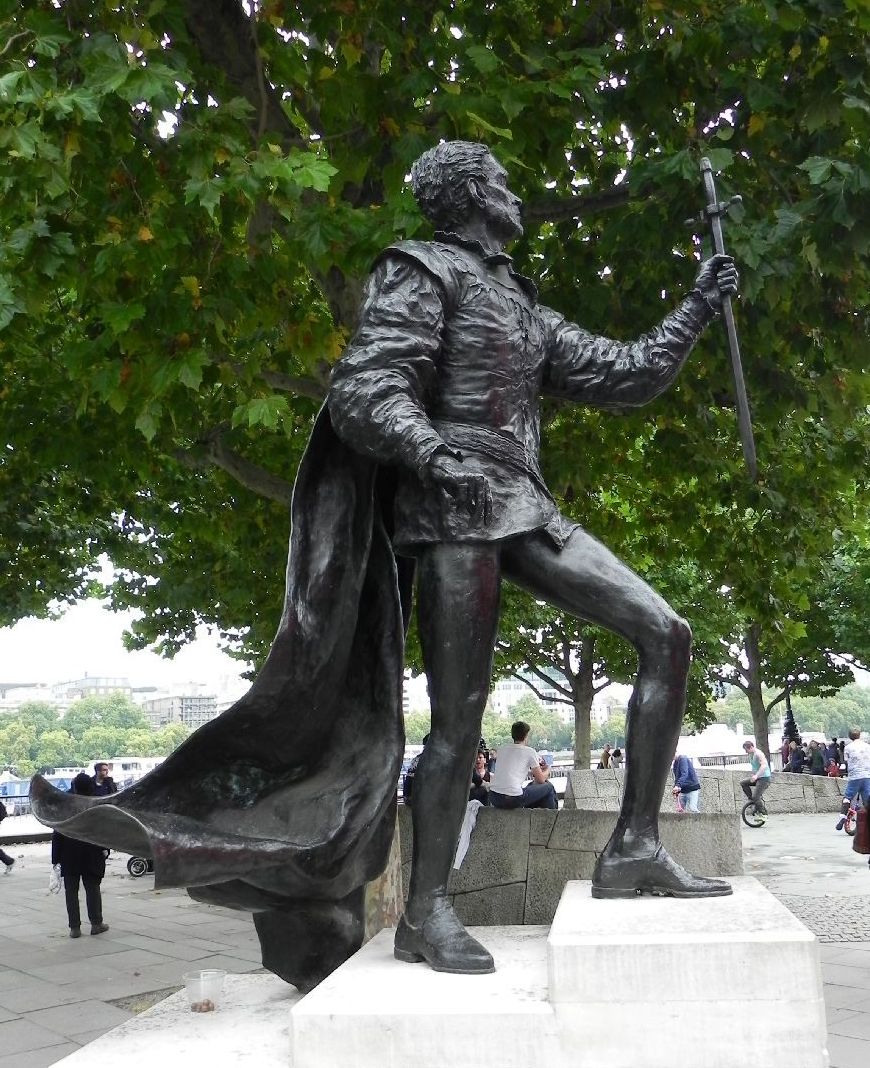
There is a certain lifestyle that appeals to a right-brainer, one that involves experimentation, swapping, multiple positions, passion, excitement and stimulation, variety, visual input, feeling and compassion, connection and expression. For the creative person there is real value in learning and growth as well as self-expression, freedom and flexibility in work.
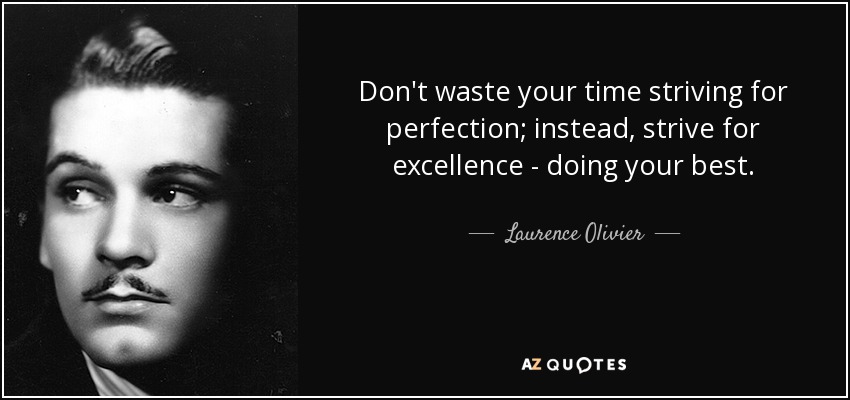
Being a craftsman is difficult in this quick-and-dirty world. Speed kills creativity. Mass production kills creativity and uniqueness in favor of commercialism and uniformity. Yet often “success” is equated with developing an idea that can be mass-produced that will appeal to hordes of people. That is why it is so important to understand what motivates you, what your concept of success is. The money, the people you deal with, and the personal scope of your projects are important for you.
Opposites Retract
Research shows that the creative person likes to work with other creative people. Yet many times you are forced to work with your exact opposite.Worse still, your boss is apt to be a left-brainer.
The truth is, we need left-brainers as much as they need us. Because if it weren’t for the accountants who balance your budget and lawyers to protect your intellectual property, you’d go broke fast. Or you would have to do the number-crunching and read the fine print yourself – and that would be a waste of your most valuable asset, your creativity. Sure, there is such a thing as “creative” accounting but the less you have to go against type and do the things you despise doing and don’t do well, the more time you have for the fun stuff. You need left-brainers to fix what you break, clean up your mess, and do the deals that keep you afloat. In short, you need them as much as they need you.

Maybe these left brainers are close minded and uptight, but they are also bright in their own way. You can find fault with the noncreative person for not seeing the big picture, for refusing to trust your instincts, for playing it safe and avoiding risk as if it were the flu. But they see you in a different light than you see yourself. They see you as a freewheeling good time ….. who is out of control. A high maintenance pain in the ess. They see emotional, defensive, and overly sensitive. It is no wonder they come down on you so hard.

It may seem as though we live in different worlds, but everything actually works together quite well. We come up with the ideas and innovations, and they produce the products. We make art, and they make budgets and do cost analysis. We take an aesthetic approach and they approach with suspicion. We want to put soul into it and create something meaningful and the want to sell it to some guy they know and make meaningful money from marketing it.
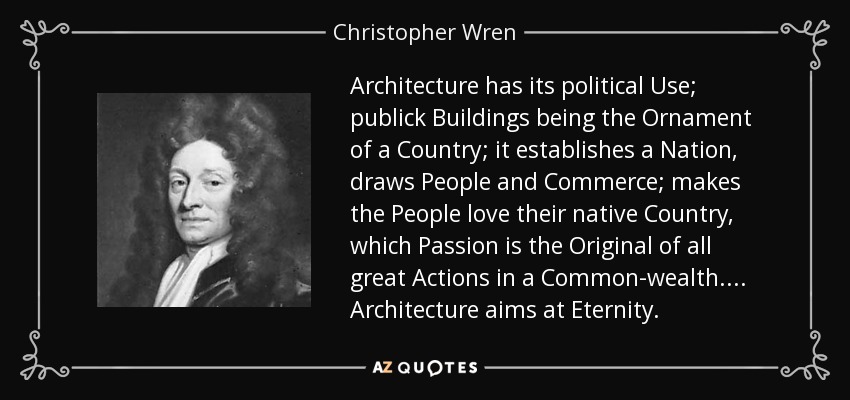
If you work together, you can create magic. They can bring your ideas to life and find ways to market them to the masses. So whwat if they are motivated by the money and you are driven by the design? A balance between the two is not such a bad thing – usually. For you the work is its own reward, but you are not immune to the appeal of a little outside recognition. That comes from seeing things come to fruition – which often takes the help of your left brain friends. It can be quite motivating to be able to have a bigger budget, better equipment, and a ton of technical ‘toys’. This takes money, though. Lots of money. Money raised by your other half.
Both sides do best when they take advantage of their strenghts. The world needs unorthodox people with slightly skewed perspectives to deal with the continuing challenges that nature throws at us. So if you are misunderstood, try communicating rather than caving in.
Opposing Styles
Left Brainer Right Brainer
Inch by inch Do it when it is down the wire
One track mind Variety is the spice of life
Life is a bitch Life is a journey
Rule maker Rule breaker
Make it profitable Make it beautiful
Worm’s eye view Bird’s eye view
Office like an operating room Office like a kindergarten room
Do it right now Do it right
Number cruncher Paint by the numbers
To do list To be list
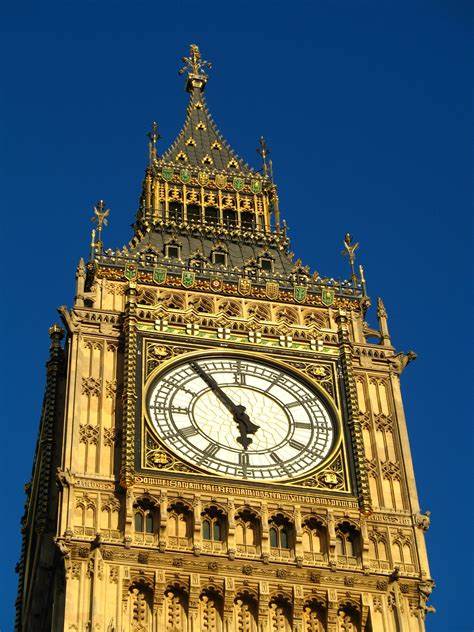
The Creative Life
Judgmental people may complain about your short attention span, calling you scatterbrained, lazy, a slob, a flake, self centered, cynical, impatient and so on. It takes a toll on even the most secure, and some start believing it. Don’t let that be you. Fight back. Remember that you are special – one of 2 percent of the adult population. Remember that you see a bigger world than they do, and move ons.
Being an unconventional person in a conventional world is a small price to pay for the joy of being a creative person. Wear it as a badge of honor. You are one of the chosen ones. Innovators throughout time have come under constant attack from critics. What it boils down to is fear and jealousy. They will never have what you have. They will never be what you can be.

There is always a bigger risk of failure when you branch out, but i’d rather risk it. It keeps me from falling asleep. There are a lot of risks involved with following a creative career path. Rewards don’t come without risks, and it is fortunate that the right brainer is built to be able to withstand the pressures. The option is to sit at home and watch others living their dreams on TV. It is not a hard choice but it is one you have to make.
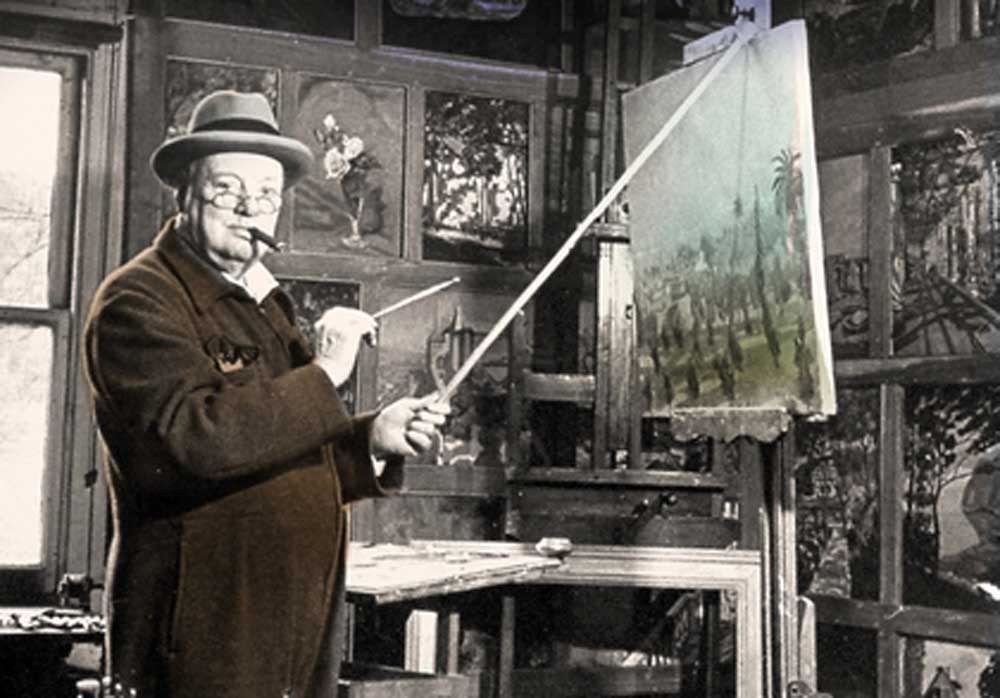
Van Gogh sold one painting in his lifetime, but he didn’t give up. He died poor and living on his brother’s generosity, but he didn’t quit. Taking a risk means you could lose. There are no guarantees.
To make it in the creative business, you must have that fire in the belly, that burning desire to succeed. You must believe that no matter what the odds, no matter what others say, you will persevere. You will do what it takes. You will learn to do the business stuff, the networking, the bookkeeping, the planning and scutwork. You will bounce back from rejection, depression and obsession. Because disappointments, highs and lows and critics are everywhere. Not everything will feel like a masterpiece (or even be well received). In a way that is good. You will keep trying to improve.
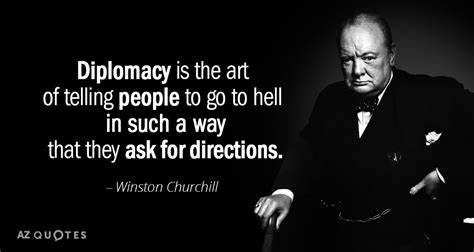
You Have What It Takes
When someone says to me, “Everything happens fo a reason’ I say ‘Yes, but is it your reason’. Life is not an accident. Through careful choices and persistent planning, you can control what happens to you. That sounds boring, doesn’t it. We are talking about your future. The best way to deal with the future is to invent it!
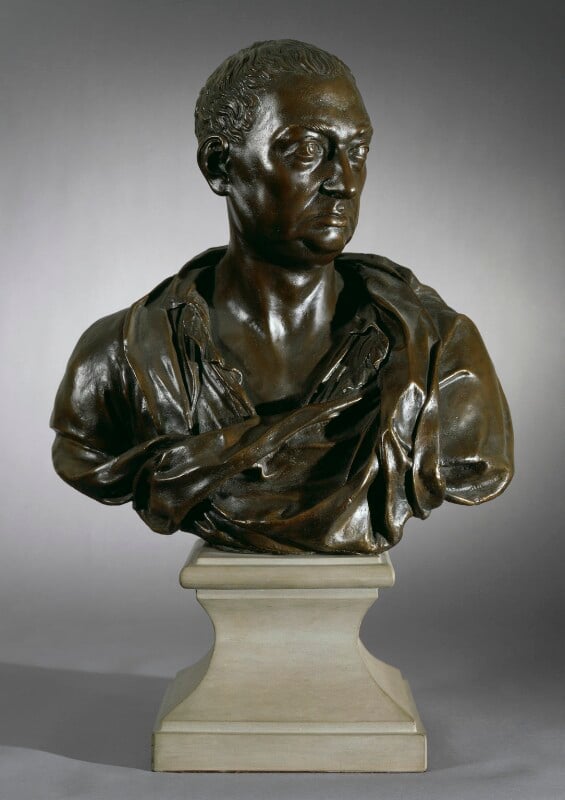
What could be more exciting than trying to figure out what you want to have happen and ‘make it happen’. If you live your life wandering around aimlessly, you are not likely to end up anywhere at all. If you live your life bouncing around, reacting to events and circumstances, you are giving up control over where you will go next. This is not an ideal way to live – it’s stressful and not creative at all.

I believe that each of us comes prepackaged with a reason for being, a quest. Unfortunately there is no operating manual or help line to make it easy to figure out what that quest is. Once you figure it out, however, life is sooo much easier and better. It means that you are living on purpose. This translates to doing the right work, in the right environment, with the right people and using your talents and abilities in a way that benefits others as well as yourself. This quest covers every aspect of your life, including having people to love and who care about you.
You need a compass to navigate by, a North Star to aim for (your quest, mission, purpose) and a map so you can plot out the best (and even the most scenic route, if that turns you on) way to get where you are going (your goals). You can get blown off course and explore new islands, meet interesting people in faraway lands …. but you always have that North Star to guide you back. That is what your quest does for you.
Follow Your Bliss
When you aren’t sure about what you should be doing with your life, it can feel like you’re in free fall. For some, the rush of hurtling to the ground at terminal velocity is exhilarating. Some don’t even seem to realize that they don’t have anything (a parachute) to stop them from hitting the ground and going splat. In the beginning, it can be exciting to go through life without a plan or purpose. Many romantic tales are written by people who disciplined themselves not just enough to put pen to paper, but enough to sell their stories for publication.

Being in control of your life means knowing what you want and working toward it. It means waking up every morning saying ‘I have got the best job in the world, I absolutely love what I do. If you can say that, everything else in your life will fall into place.
Some people know early on what they want. They are the lucky ones. Most of us struggle for a while before we find our niche. That is okay. Enjoy the struggle. Consider it a voyage of discovery with a treasure at the end Self knowledge is a wonderful thing.
We Always Have London
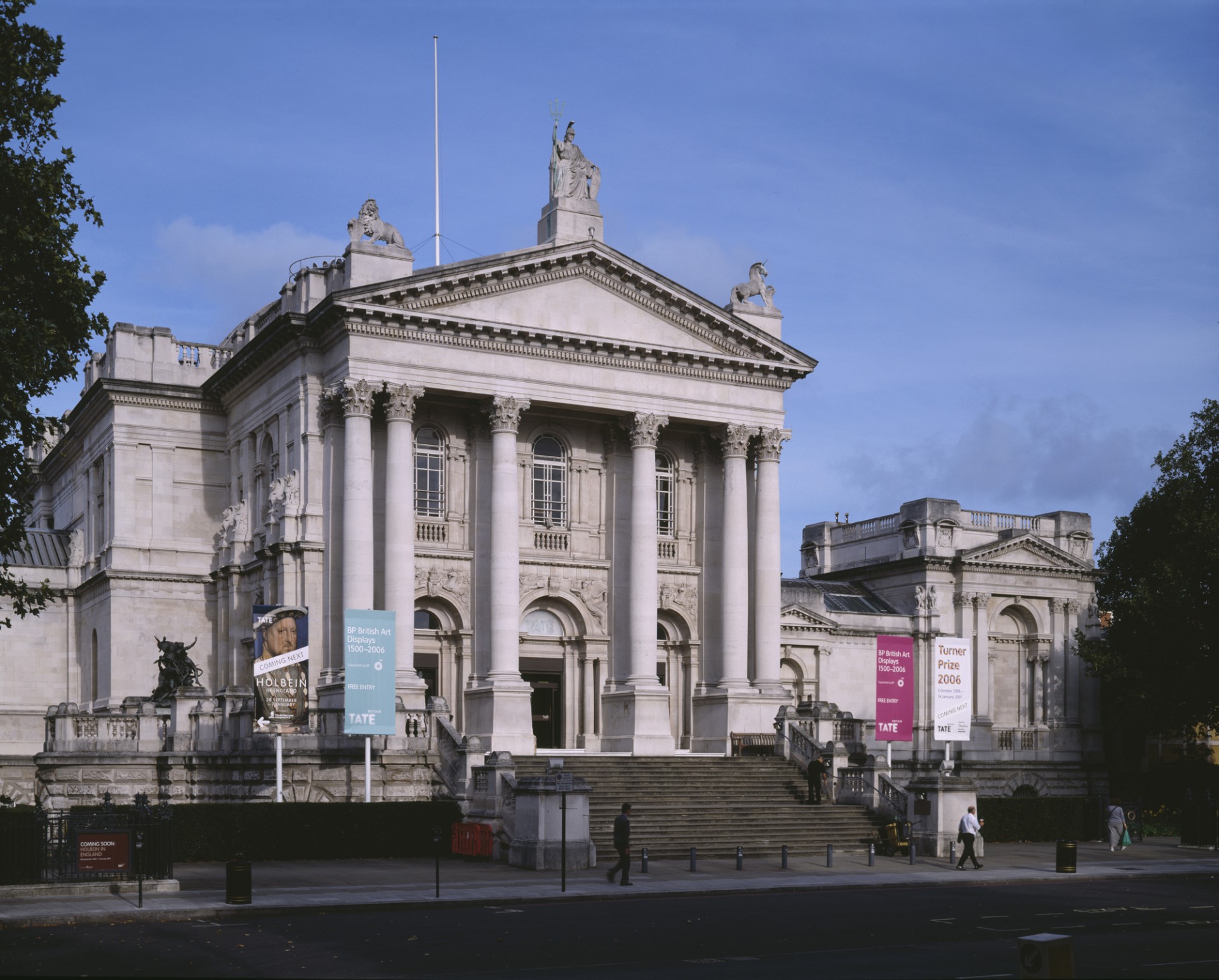
How to Find yourself When You Didn’t Know You Were Lost
Before you can figure out your niche in the creative scheme of things, you need to understand yourself, your strengths and weaknesses, your true desires, your personal definition of success. The following questions are designed to make you think about yourself from various angles. Answer them quickly. Put down the first thing that pops into your mind (before your left brain has a chance to butt in). Don’t analyze either the questions or the answers. Be honest – nobody ever has to see this but you. Now, quick and dirty:

Private
- What is your favorite time of year?
- What is your favorite hobby?
- Where is your favorite getaway spot? When was the last time you went there?
- What social settings bring out the best in you? Worst in you?
- What is your best personality trait? Worst? How would your spouse/best friend answer that?
- What one thing would you most like to change about your personality?
- Make a list of your friends and look for common qualities they all share. Next, list the people you absolutely loathe. What qualities do they share?
- Are you a country mouse or a city mouse? Do you like more a laid back lifestyle or one that is frantic and fast paced?
- Are you more comfortable competing against others or against yourself?
- Which is more you – safe and secure or reckless and risky?
- Which would you rather be – healthy and wealthy or healthy and wise?
Professional
- Do you want more or less travel in your work?
- Where would you like to go? Would you travel by land, sea or air?
- Would you like to do more or less public speaking in your work?
- How much money as an annual salary would make you feel more successful?
- Do you prefer to work with your hands or your mind? Indoors or outdoors? With people or with things? (Can’t say both. Just state a preference, even if it is marginal)
- Which is more challenging, dealing with difficult people or difficult problems?
- What bores you?
- What would you eliminate from your description of what work you do if you could?
- Do you like to be in charge? Or do you prefer to be the power behind the throne?
- What do you like best about your work?
- If you could have anyone’s job in the world, whose would it be?
- What is the most undesirable job you can think of?
- When do you prefer to work – morning, noon or night? When would you rather not work? What days would you like to have off? What would be an ideal work schedule for you?
- What would you like to bring to work that you can’t? Kid? Dog? Stereo?
- Do you prefer to work alone or in a group? How much of your day would you like to spend dealing with people, and how much would you like to be left alone?
- How many projects can you handle at once?
- Do you prefer stretches where you work like crazy and then take a break, or do you like to pace yourself and limit your projects?
- Which best describes the environment you would prefer to work in: at home, in a lab, in a studio, outside, in an office, on the road, on a set, in a studio, in a cafe, in a tall building, in front of an office, or some other situation? Big city or small town, or small city/big town?
- Do you prefer to deal in concepts or projects? Which is more satisfying, the process or the product?
- List jobs you think you would enjoy doing.
- List jobs you think you could not and/or would not do
- What skills do you like to use the most?
- What task or talent comes easily to you?
- Name something that is always a struggle to do.
- What type of people do you enjoy working with the most?
- Do you prefer to work at a fast pace or to pace yourself?
- Do you like every day to be different, or do you prefer to slip into a consistent and comfortable routine?
- Which motivates you more, money or a mission?
Finish the Sentence
Let’s play ‘finish the sentence’ Let your intuition be your guide. Go with your gut.
- I have no trouble focusing on…
- My idea of the perfect day is…
- The most fun I can have with my clothes on is….
- The perfect attire to work in is…
- My dream is to….
- I have always wanted to…
- I am looking forward to…
- I wish I could do …. more often
- I know I have a talent for
- I feel fantastic when I am …
Honest answers
- This turns me on:
- This touches me deeply:
- This is the thing I value the most:
- This draws out the best in me:
- This is the person I would most like to meet:
- This is the one thing I would most like to change about my community:
- This is the best thing I can do to serve others:
- This is the kind of work I would do for free:
- This is the thing I feel most passionately about:
- This is the thing that bothers me the most:
- This is the one subject I could study forever:
- This is the one thing I get complimented on the most:
- This is the thing that makes me smile the most:
- This is the activity that gives me the most pleasure:
- This is the time in my life when I felt really good:
- This is the thing I do where time flies:
- This is the nicest thing anyone ever said to me:
- This is the thing people most ask for my help with:
- This is the one thing I could do all day, every day.
Get It Gift Wrapped
People spend their whole lives working against their strengths. It is like swimming against the current. Go with the flow and use what God gave you. Your best chance for success is to selet a career that allows you to use your talents and do the things you most enjoy doing. All too many people believe that if you’re getting paid for it, it is work. And work is the opposite of fun. Which is why they make vacations – so you can put your life on hold for fifty weeks a year and stuff all your fun into that precious two weeks. Which is why they have sick days. Because you are sick if you think this is any way to live.

If you do what you enjoy doing and are good at it, you will be stronger and happier. Vacations will be icing on the cake.
So you are no Shakespeare. Ah, but you are you, and no good can come from comparing yourself with others. Believe in your own special gifts, talents, and abilities and use them to earn a living as well as fulfill your life.
ACTION ITEMS
- List ten adjectives to describe your top skills and abilities. What makes you great?
- List your top ten skills. Now, of those skills, which would someone pay you for? How could you earn a living using these skills?
- What can you do to increase your marketable skills? Training, practice, gaining practical experience, or learning new equipment? What is the one thing you are willing to do to improve upon your existing talent?
- Put all your talents on index cards, one skill per card. Then shuffle the cards and punt them into orde by the skills you like to use most. Write down the result. Now reshuffle and put them in order by which ones are most marketable. Finally, put them in order by what you do best. Compare your three lists.
- What is the thing you do that comes most naturally? Could you make a living doing just that? Has anyone else made it a cornerstone to a successful career?
Test Your Inner Guide
You have an inner guide (if you’ll pay attention to it). It is a little voice. It is seldom very loud, but there is a lot of wisom in there. So, as you answer the following questions, run them by your inner guide. Don’t think about your answers for more than a second or two. Use your intuition. Don’t give your left brain (logic brain) a chance to censor your real response.
You don’t have to be precise at this point. This exercise is just to determine a general direction or essence of what you want and where you want to go in your career. It helps to be in a relaxed state so that the messages from our inner guide can get through. The answers may come to you in words, symbols, dreams, visions or ideas. Pay attention to your answers and don’t discount them, even if they seem outlandish.
Go for it.
- Sometimes figuring out what you don’t want to do in your career or life is easier (and as valuable) as trying to discover what you do want. With that thought in mind, make a list of all the things that turn you off when it comes to a career.
- Along the same lines, what path have you been trying to avoid? (Sometimes this is the one path that you should pursue).
- What is the one thing you would not do for any amount of money?
- Have you ever had an epiphany about what you should do with your life, but chose to ignore it? What is it you contemplated doing? Create your own job description. (Don’t limit yourself here. Don’t think about risks. Fantasize. Enjoy).
- If you knew you would live to one hundred (without wrinkles and/or Depends) what would you do differently (we are talking career and/or education)? If you had only six months to live, what would you do differently? What would you do the same?
- What trait or talent do you think is most valuable?
- How do you like to express your creativity? What forms does it take?
- What is your biggest regret?
- What rules would you want to live by?
- What is the one thing missing from your life?
- Finish this sentence “A successful person is someone who …”
- Whom do you most admire? Why?
- Think back to when you were a kid, and try to recall what you most enjoyed doing. Look back at an old scrapbook or photo album. (Is it a coincidence that I was my local library’s Bookworm of the Year when I was young?). I read more books than anyone else in my neighborhood.
- What do you see as your role in life?
- What cause are you most committed to?
- What do you stand for?
- How can you make a difference?
- What can you do that would give you the greatest sense of importance, well being and self worth?
- What person would you most like to meet/work with in your career?

Past Lives
Take a look at your past life as if it were a world away, in another dimension. What things worked for you, and what things did not? What did you do that helped you to succeed? What lessons did you learn from past missteps? If you retrace your steps this way, there are clues about what will work in the future. As the saying goes, “If you keep doing what you have always done, you keep getting what you have always gotten.” That doesn’t mean you should throw the baby out with the bathwater. Keep doing what you always done that has worked. But take a dispassionate look at your life and career. Be honest about the areas you are unhappy with. Don’t worry about blame. Just try to see where it went wrong so you can find ways to go right in this life.

- Write your life story from beginning (looking back) to end (as if you are very old and have already achieved all the things you want).
- What is something that makes you say to yourself (and others), ‘I will never do that again?” (I’m not talking about a hangover).
- List five boneheaded things you can remember doing. Now list five things you did well in the past. Which list came faster? Which was easier to compile?
- Look at your past life and ask yourself these questions: What do I wish I had done but did not do? What have I always wanted to do but never got around to doing?
- What are your most powerful memories from childhood, teenage years, and adulthood? Take a close look at the three memories. What do they have in common? What are the circumstances, the people involved, the tasks you were performing, the setting, the time of year?
- List your most rewarding life experiences (paid and unpaid). Are you still engaging in these activities? If not. why not? How can you bring these things back into your life?
- It is important to appreciate all the things you have and all the things you are. The more you appreciate all the things you have going for you, the more you love life. Start small: your work, a place to live, money in the bank, people who love you.
- Describe yourself as a cross between two celebrities.
- Write your own autobiography, or compile a collage or video of your past accomplishments.
- Draw yourself in your picture – perfect day. Put in as much detail as you can. Spend some time and thought on this one. Then pin it up where you’ll see it often. This is where you want to live your future life. This is where you’re going.
- Take a snapshot of your life today. Do you like what you do for a living? Are you happy? Are you using your talents? Are you able to create? Do you enjoy waking up on weekday morning? Is it good to be home?
- Do you have enough money? Do you have a goal for the future?
This is hard work. But no matter how you do this, you must do it honestly. Learn to dream aloud. It is the only way to make those dreams come true.
Visualize Your Values

As a creative professional you are less able to separate your work and your life than most people. You cannot ignore your values when looking at a career path. Your values, your needs as a person, should direct that path. Should point you toward the right career for you. You can’t be a success if you don’t know what success means to you. And you can’t be a success unless you incorporate your value system into every phase of your life.
Unused talent is not just a waste. It is a poison. The symptoms are boredom, low energy, stress depression, envy. If you recognize these symptoms in yourself, it is time to do a little soul searching. You are not doing what you should be doing, okay, got that. But what should you be doing? The following exercises might help you figure that out:
- Make a talent map. Start by looking back to when you were young. Plot your talents on a visual time line or map at the ages of five, ten, fifteen and twenty. Use pictures, drawings or key words to represent each phase or age and your talents at that time.
- Make a value tree. Draw a tree trunk and then extend branches off in all directions. In the trunk, write your biggest belief about yourself and what your life should be. In other words, your key overriding value. On the branches, write the rest of your values. Hanging from each branch, draw a fruit and put in it how the values manifest themselves. For example, in your tree trunk would be something like ‘freedom’ as your core value. Then the branches might be labeled ‘ability’ and ‘respect’ or ‘friends’ and ‘family’. The fruit haning down from the ‘respect’ branch might be ‘fame’ and ‘money’ or ‘honesty’ and ‘integrity’.
Value Grid
Self realization is the first step in choosing a general direction for your life, one that will bring you happiness and peache of mind – in tune with what you really want, deep down. When you figure that out, you have taken the biggest step toward getting it. In the following exercise, you will end up with a top value for each area of your life, and a clearer understanding of who you are and what is most important to you.

You may suffer inner turmoil when your goals or actions go against your values. If you want to be a great parent but take a job that requires a lot of travel, value integrity but lie and cheat, value marriage but are too busy flirting with others or working, value creativity but never make time to create, you will feel anxiety and unease, conflict and discomfort, anger and resentment.
Cross out each value you can live without:
Children, Career, Freedom, Recognition, Financial security, Friendships, Adventure, Challenge, Creativity, Integrity, Joy, Power, Inner peace, Order, Education, Family, True love, Fun, Hobbies, Free time, Happiness, Loyalty, Integrity, Spirituality, Trust, Significance, Excellence, Helping others, Kindness, Independence, Profit, Passion, Position, Wealth, Health, Fitness, Respect, Fame, Blance, Travel, Job security, Home, Awards, Tranquility, Other:
Go through the list again and cross out as many as you can. Now get tough, get down to your top ten values. Come back to this list in two days and narrow it down to your top five. Write them down. Now check your list of values against the career you think you want, and make sure there is no conflict between the two. If there is, rethink the kind of work you should be doing.
Vocation?

“Where your talents and the needs of the world cross, there lies your vocation” Aristotle said. The same can be said about going into business for yourself. Finding your niche and then filling it as a freelancer may seem like the best way to go for the right – brainer. There is a downside to doing it yourself, however, and what seems like a good idea at first may become a nightmare. I think it is the only way to fly, but others find it frustrating.

It takes a certain kind of breed to make it in business for yourself. First and foremost, it takes a lot of hard word. There is no quick and easy road to success. It is likely you have what it takes but, to be sure, take the test below to see if you would be better off in business for yourself or if picking up a paycheck is more your style.
Check off those traits that apply to you.
I am
adaptable, adventurous, a collaborator, confident, creative, dedicated, disciplined, enthusiastic, even-keeled, focused, goal oriented, hardworking, a multitasker, a negotiator, organized, persistent, a problem solver, a public speaker, resourceful, resilient, a risk taker, a self starter, skilled, strong willed, a salesperson, talented.

I like
Being in charge, controlling my own destiny, to build things from scratch, to work alone, networking, learning, writing, talking on the phone, working on multiple projects, experimenting.
I want
To work at home, to pick and choose the projects I work on, to get away from the corporate culture, to be in the spotlight, to work under immense pressure, to be responsible for my own happiness, to travel, to control my destiny.
I can
Budget my money to survive the ups and down of freelance work, delay gratification, manage my time well, be shameless when it comes to promoting myself, work long hours for little or no pay, take orders from and deal with difficult clients, handle rejection well, think big but start small, cut back and make sacrifices if I have to, live without having others appreciate my work, be very self reliant, survive without the perks of corporate life, fly by the seat of my pants.
I have
Some money saved up, access to more money, the support of my family, a skill or service that people would pay me for doing, space for a home office, the basic equipment needed to get started, experience working in my field, no fear.
If you checked off the majority of these traits, you should seriously consider going into business for yourself, it will open up whole new worlds of possibilities for you. If you checked off less than half of these traits, think very carefully before you step out on your own. You are likely more happy in a niche where somebody else is paying the bills (including your paycheck) and bringing in the business. While I admit my own preference for self employment, i am not making judgments for anybody but myself. The important thing is to be honest and to please yourself, not me or anybody else. Then take the self knowledge you have gained and put it to work for yourself.
What To Do Or Not To Do
You can have anything in your life you want; you just can’t have everything you want. (Where would you put it all?). Many things will catch your eye but very few will catch your heart. Those are the things we are trying to identify here.
Career related decisions are the hardest to make and have the most impact on the quality of your life. As much as you may want to refute this, you do spend most of your life working on something, and you are to a certain extent identified with and bonded to what you do for a living. To be able to make better decisions, you must begin with yourself. What are you feeling, and what is best for YOU? No matter how selfish that sounds, the decision must be best for you, first and foremost.
Consider how this career decision utilizes (or doesn’t) your likes, your talents, how much it allows you to express yourself creatively. This is a very important element to your happiness. All things being equal, go with the choice that allows you to be the most creative and gain appreciation for your talents – the ones you think are important.
Finally, go with your gut. Which direction feels right? Which one would bring you the most joy and satisfy you emotionally? Go somewhere quiet and peaceful so you can (in solitude) get in touch with your intuition.
Decisions are so much simpler when you have a Heroine’s Journey. A mission and an overriding purpose in your life. Even so, for the divergent thinker, decision making does not come easily. Even though you tap your intuition for advice, you can sometimes be too hasty and impatient.
Shortsighted decisions can come back and bite you later. If you say ‘I will cross that bridge when I get to it’, you may find out that there is no bridge. It was washed away by bad decisions. Trying things on for size can be fun, but taking paths that lead nowhere will limit your success. I am assuming (and we all know how bad that is) that you want to get somewhere. The goal i am talking about is to decide on the best career that is right for you now. If you need help setting a quest or making a decision, try these tips:
- Ask others for their input, especially those who have been there, done that. People you respect. Those who are removed from the situation and can rationally (i.e. unemotionally) offer advice. Get several viewpoints. Don’t be afraid to ask for input.
- Play out what-if scenarios and consider the contingencies and consequences of each path you could take. This fast forward thinking allows you to ‘begin with the end in mind’and work backward to what you should be doing now.
- Take a left brain approach and research your options. Information is a wonderful thing.
- Focus. Instead of taking a spray-and-pray approach, set your sights and focus on the target you most want to hit.
Starting Grid
It is not where you start that matters, it is where you finish. It may be that in the early years of a career (or career change) you have to get the coffee, make the copies, and do the grunt work. Do it with a smile and some savoir – faire. Give people more than they ask for. Keep your eyes and ears open, Enjoy this time, because there will be a whole new set of challenges when you take the next step along your path.
I still meet people who are unwilling (and unrealistic) about the price they have to pay to make it. They are unwilling to wait their turn. Though I admire that ambition, i notice they are easily frustrated when things don’t go their way fast enough and they give up prematurely. Sometimes they have built a life that requires a lot of maintenance and money. They must earn x amount to meet their bills, so they are not just unwilling, they are unable to relocate, work long hours and make sacrifices.
Many of my generation came out of the box with high expectations and when they were unable to speedily reach the lofty heights they set for themselves, they moved on, abandoning their true calling. They were swinging for the fences and striking out.

Many creative people must follow a long, tough road. No matter which creative career you consider, you have got to love it. You have got to want it more than anything because it is so hard to make it and there is so much competition and so much rejection. You should be doing this because you love it and you should be willing to sacrifice and even starve for a while.
What is Your Quest?
When I ask most people what their quest is they stammer, who me?. Yeah, you. Do you have a quest? You do? Good. Just give me one goal in your quest for this year. When? NOW! Uh, I want to make more money this year. Okay, if I give you one euro, you have satisfied that goal. You just made more money.

When I ask successful people to tell me their quest and goals in it, they will say something like, ‘I will earn Euro 100.000 from my writing with another book deal by the end of the year’.
This goal is stated in the positive (I will), is very specific (Euro 100.000 from my writing) and includes a deadline (by the end of the year). Bravo! HAVING A SPECIFIC GOAL CONTRIBUTING TO YOUR PERSONAL AND BUSINESS QUEST, WITH A DEADLINE IS THE KEY TO SUCCESS.

You can make excuses or discount goal setting as being too rigid and linear for the creative person, or you can get with the program and finally start making some real progress toward achieving your dreams. Quite simply, you can get to where you are going until you know where that is.
Having specific, meaningful goals doesn’t mean having a rigid system that leaves no room to roam. It simply means that, right now, this is what you want. Don’t worry about limiting yourself. You can adjust as you go. It does mean that you are in control of your life, have thought about what the real issues are for you, and have a perspective on new capabilities that develop.
Bottom line: Unless you know exactly what your quest is in life, what want from your life and you can articulate it (on demand, in case we meet) you are just fooling around. You aren’t serious about success, and frankly, you will never achieve it.
Having a quest with goals empowers you. Having a clear story of what you want drowns out the negatives and attracts the positive things, ideas and people to help you reach them. Goals give you courage to go beyond which you think is possible. Setting goals creates focus and clarity, so you are not wasting your energy on dead end jobs.
What happens without a quest?
Many creative people have no idea who they are, what they want out of life, where they are going, or what their passion is. Afraid to limit their options their lives becomes a series of compromises and unplanned events. They are spinning out of control and feel powerless to stop it. They have zigzagged their way through life, trying this and that. Deep down they feel regret. They tried to grab at it all, and came up empty handed.

Lack of Direction.
If you don’t know what you want you can waste a lot of time and energy going in the wrong direction. In the meantime, your business and personal life an get way off course.
Forced Compromise.
You wake up one day and realize your life has been a series of compromises, a series of unplanned events. As a result you are in een job you really don’t like or aren’t suited for, afraid to change.

Untapped Talent.
Without a quest with goals, you can easily get caught in the current of life, swept away by an endless stream of details. You always seem to be paddling against the current in a battle between finding time to be creative and getting things done. Once you get off course, it can be very hard to find your way back.
Boredom.
Not having a mission a life, a quest, a passion, a purpose for your talents and creativity is he one thing most lacking in many lives. Without it, life can become dull, empty and uninspiring.
Powerlessness/Cynicism.
I have heard people describe their lives as if they were passengers in a car, watching life whiz by while looking out of the window. They feel powerless, and blame everyone and everything for their lack of success, time, happiness, finances, whatever. They blame the government, the economy, reviewers, traffic, foreign competition, and on and on. Until you take responsibility for your own success, happiness and time, you remain a victim.

Value Conflicts.
When your values and your achievements don’t align, at best you end up with hollow victories. At worst, you become depressed, angry, or resentful. If you value integrity, you can’t afford to lie and cheat to get what you want. If you want to start a business, but you squander your start up capital, it might be time to look at your values again. Maybe you are just giving lip service to a value you thought you should have. Or maybe your self destructive behavior has deeper roots.
Regret.
Do you go zigzagging through life, jumping at any opportunity that sounds interesting or fun? After years of doing this, you are likely to realize that you have nothing to show for the past decade. This will leave you unhappy, unfulfilled, unsuccessful, because you tried to live without quest and goals.
With a Quest
With a quest you get a bird’s eye view of your life. An overview. Think of being in a plane or balloon, soaring over the scenery, looking down. Everything seems so small, so clear. You get above the trivial details, above the self doubt. This kind of perspective allows you to do the right thing, at the right time, for the right reason in the right way.

Synchronity.
When you set for a quest with clear goals and pick a course of action, unexpected things start to go your way. Unseen forces in the universe begin to say, ‘Yes!’. People and resources come into your life to help. It all starts with a clearly stated quest story and concrete goal, one that you understand and that you can communicate to others. This works even better if you have a real passion for your quest. People pick up on your passion, your commitment. They want to contribute, to be a part of your excitement, so they offer money, time, connections. That is synchronity.
Your mind works for you.
When you have a quest with a clear goal, your mind goes about searching for information and opportunities that can help. Have you ever bought a car and suddenly you see other cars like it. Why haven’t you noticed it before now? Your brain, to avoid overload, screens out information not essential to your survival and success. When you know what your quest is your mind works to incorporate your goals into what it lets into your consciousness. This can change your life very quickly.

You enjoy life more
Your quest allows you to really live. You can enjoy the now, and still look to the future. It is like being a kid again! People who are living their dreams and striving for meaningful goals wake up in the morning excited, full of anticipation. Don’t you want to live like that? You can’t wait to start the day, you are constantly stimulated, curious, eager to interact with others, passionate about what you are doing, and you are working toward real happiness. Your ability to have fun and enjoy life is tied into your quest and its goals. When you know what you want, what you value, progress in this makes you happy. It is easier to make decisions which reduce stress. The directionless life is not the happiest to look back on.
Motivation
We all need something that moves us, that we enjoy doing, and that we are good at. We need to feel useful. We need to help others or belong to a cause larger than ourselves. We know we could help make this a better world, if only on a small scale.
In this world of rapid change people have a need to control their own fate. You have to be the storyteller of your own life and create your own legend.
ACTION TIME
Make a map of your life up to this point It could look like a treasure map, a board game or a streep map. It could be chronological, or seasonal, it can zigzag. Go from birth to where you are right now. Get creative. Draw pictures. Use your non-writing hand.
We are not talking about regrets here. Just take a look back at where you have been for clues about where to go next. If you want to take it one step further, try drawing another map – this one of your future. Do you know where you want to go?
Next Step
Wish List
You have primed the pump, now let it pour out. What do you want to be, do, have, share in the future? Don’t worry about how you will get it. Just give yourself ten minutes and list everything that comes to mind. You can think in terms of what you want next year, in the next five years, or in the next ten years. It is up to you. The important thing is to let your imagination run wild and don’t be afraid to say what you want.
Draw pictures
If listmaking is not your game, try drawing or painting your potential goals. Don’t focus on how artistic the resuot is, but on how many things you can imagine yourself doing, having, being. Use symbols that you will understand when you come back to them later.
Write
If you are most comfortable writing, write for ten minutes, nonstop, in answer to the following statement: “I am blessed and I cannot fail; this is what I would do, be, have, create and contribute in the future.
ACTION TIME
As why. Why do I want to be famous? Get my book published? Work for myself? Land a starring role? Explore your motivations – it will help you weed out goals that aren’t your own, eliminate goals that are nonfunctional and develop the courage to say out what you really want.
Making Money Doing What You Love
I believe that when we do what we are supposed to do – meaning we enjoy it and are good at it – the money will eventually flow, as long as we believe we deserve it and we ask for it and willingly accept it. But creative, right-brained people are usually not drive by money, don’t manage it very well, and have some funny beliefs about it. For instance, there are artists who believe that they must starve to do real art, that they can’t have a juicy income and remain honest and true to their vision, that somehow accepting money for one’s art is selling out and giving up some of one’s independence.

Let’s face it, money does buy freedom (as does a total disregard for it too, I guess). I have had money and I have struggled. Money did not made me happy; it just created a whole new set of challenges. When I was broke, I found out that wasn’t the answer either. The solution is to have inner happiness, so that you can enjoy your riches.
I think Goethe got it right when he said, “It is not doing the thing we like to do, but linking the things we have to do that makes life blessed. Nowhere does he mention money.
Still if you are unwilling to live on the street (or with your mother) you need to consider money somewhere in your goal setting process. You can do that by answering the following questions:
- What specific annual income do you need to live abundantly, not just comfortably?
- What are your minimum financial needs?
- How much money would it take to make you feel successful?
- What are you doing to off your debt?
- Where can you cut back?
- What are some other sources of income?
- What about part time work?
- What are you unwilling to do for money?
- What negative belief holds you back when it comes to money?
- What would it take to double your monthly income? Is it worth it?
- How does it feel to be broke?
- How does it feel to be able to buy the things you want, when you want them, and still have some left over for a rainy day?
- How much money (exactly) would you need to be able to pursue your dream?
What Is Your Quest?
Your quest, should you choose to accept it, is the overriding principle on which to base your life and career. This gives your life clarity and focus without stifling or restricting you.

A quest is told to inspire you, not to impress others. It reflects your inner desires and values as well as the direction of your life. It is a powerful tool and should not be rushed. It may be best to start by writing everything you want to be, do, have and how you will serve others. Then cut out the repetition and keep cutting it down until it is one or two sentences long.
Then memorize it, internalize it, and live it.
Your quest should inculde an inner goal, what it will take to please you, your deepest desires and dreams. You’ll also want to include an outer goal, which is how you will serve others. This ‘outer goal’ is important because it will usually point out how you will make money by reaching your inner goal. Your quest story does not need to include your desire to hae a Rolex, a Porsche, a beach house in Italy and the best tables in the best restaurants, however.
Fill in the blanks: I would like to work in ………………., doing……………, and be known for..
This will help you focus on what is best for you. Not what is okay, good, or bettr, but what is best. This will keep you focused from day to day and year to year.
Choose a Theme

Having a hard time developing a quest story? How about just a theme for the year? Make this your year to do something special. Theme examples:
“I will focus on my writing above all else this year”
I will show more courage in everything I do this year
I will get rid of all the clutter in my life this year, both physical and mental
I will fight for my creative freedom this year, and make work i want to make
I will better manage distractions in my life and concentrate on my work
I will finish what I start this year
I will concentrate on the business side of my art
This is the year of growth and study
This is my year to make things happen
An Alternative: The Credo
What do you stand for? It is handy to have your own personal credo, similar to a quest story but less action oriented. A credo is a written statement of your personal values and code of behavior
First and Goal
Okay, I’m assuming you’ve come up with a quest story, or at least a theme or a credo. That is your goal. Now write it down. Say it out loud. Tell it to somebody else.

Think about it. How badly do you really want this? Be careful what you wish for.
Why do you want it? If you can establish the motive, then the means and opportunity will fall into place.
Narrow it down. Be specific.
Be honest. How many plates can you spin at once before it all comes crashing down? Most creatives can and want to do many things. Perhaps you can do it all at once. More likely, you can do some now, some later. If you want to be the best at one thing, you have to focus on that one thing and let the other stuff go. What’s your style.? What are you willing to give up, at least for a little while?
Spell it Out
There isn’t really a right or wrong way to write your goals down. It’s just important that you do it, and do it in a format that helps you understand and remember what those goals mean. Companies write their goals as a mission statement – a one or two sentence concise statement of their purpose and how they intend to achieve it.
Whether you call it goals or philosophy or mission statement, a few guidelines may be helpful as you write them down. Here are some suggestions:
State your goal in the positive. For example ‘i will write a book proposal’
Set a deadline. This creates a sense of urgency and encourages you to take action. For example i will complete my book proposal by december of this year.

Be specific. Your goal should be clear, detailed and focused. Leave no doubt about what you want to accomplish. For example. I will complete my book proposal, have three people check it for errors and critique it for content, correct and finalize it, and send it to my agent – and I will do it by december.

Make it measurable. There should be a way to recognize that you have reached your goal. If your goal is to write a book proposal, are you done when it is on your agent’s desk or when the book is on the bookstore shelves?
Make it action oriented. Your goal should be something that requires action and produces results. A goal to be a writer could be better stated as “I will spend a minimum of three hours a day, six days a week at my computer, writing, another three hours a week in the library researching my book, three hours a week connecting with possible agents, editors, publishers and other business contacts working toward having my book completed and in an agent’s hand by march 1. Action doesn’t have to be your action, however.

The goal depends on only you. Your goal should not hinge on your ability to change others. If your goal depends only on you, you’d better be sure it’s important enough to put the effort into.
Time to do some weeding
At this point, eliminate any goals that contain one of the following concerns:
- It is not really something you want for yourself, but something you put down because it would impress or satisfy others;
- It won’t make you happier, healthier, wealthier, wiser or more creative.
- It doesn’t involve activities you enjoy doing or do well: you wouldn’t enjoy the pursuit of this goal.
- It is illegal, unethical, immoral, would hurt others, or would damage your reputation in any way.
- It doesn’t excite or inspire you when you think of it or tell others about it.
- It doesn’t involve at least some of the resources, educational background, skills or abilities you already posses.
- You are not able to state it clearly.
- You aren’t willing to pay the price it will take to reach it.

If You Can See It You Can Do It
The ability to visualize your goals puts you a long way toward reaching them. (You can’t hit a target you can’t see). What do they look like? Project yourself forward. See yourself living as if they were already a reality. This intensifies your desire. When you can see it, you believe it. Let’s try it.

- Remember back to a day when everything in your life was perfect. Describe in detail where you were. Whom were you with? Emotions? Colors? Images/sounds/smells? What were you doing?
- Fast-forward to the future. You have everything in life you want. Spend a day in your perfect life. Where do you live? Describe the environment. What does your home look like? Walk through the house in your mind. Describe in detail. Open your checkbook. How much money do you have? What kind of business are you in? Describe what you do, where you work. What is your greatest accomplishment to date? What does your office look like?
- Now think about the present – as it should be. What is the first thing you do when you wake up? How do you spend your morning? What do you do at lunchtime? In the evening? Draw a picture of what you saw, or write a detailed description.
- Visualization is a technique that works in many situations. Athletes do it, running through the game or the race over and over in their mind well before the event itself. It gives you the opportunity to create the best result. Visualizing your future is like watching the coming attractions to a new movie, only this one stars you in the lead role in your life. Project yourself forward.
- Picture yourself in your perfect career. Some of the questions are designed to help you develop this image. Fill in the details, drawing it more and more clearly in your mind. These questions might help:
- – What do you do all day?
- – Where do you work? Indoors? Outdoors? At home?
- – What time do you start work? When do you have to wake up?
- – Is it a small company or a large one? Are you the boss or the employee?
- – What do you wear at work?
- – How many hours a day do you work?
- – Whom do you work with? Do you work alone?
- – Who is at the meetings you attend?
- – What are the primary tasks you perform?
- – What skill do you use most?
- – What tools are you using?
- – How are you treated by others?
- – How much are you paid?
- – What are some of the perks, other than salary?
Now that your perfect career is clear in your mind, answer the following questions:
- Who is doing exactly what you want to do?
- What company or career fits this profile?
Take the First Step

The first two letters of the word goal are go. So release the emergency brake and put your goal in gear by taking that all – important first step.
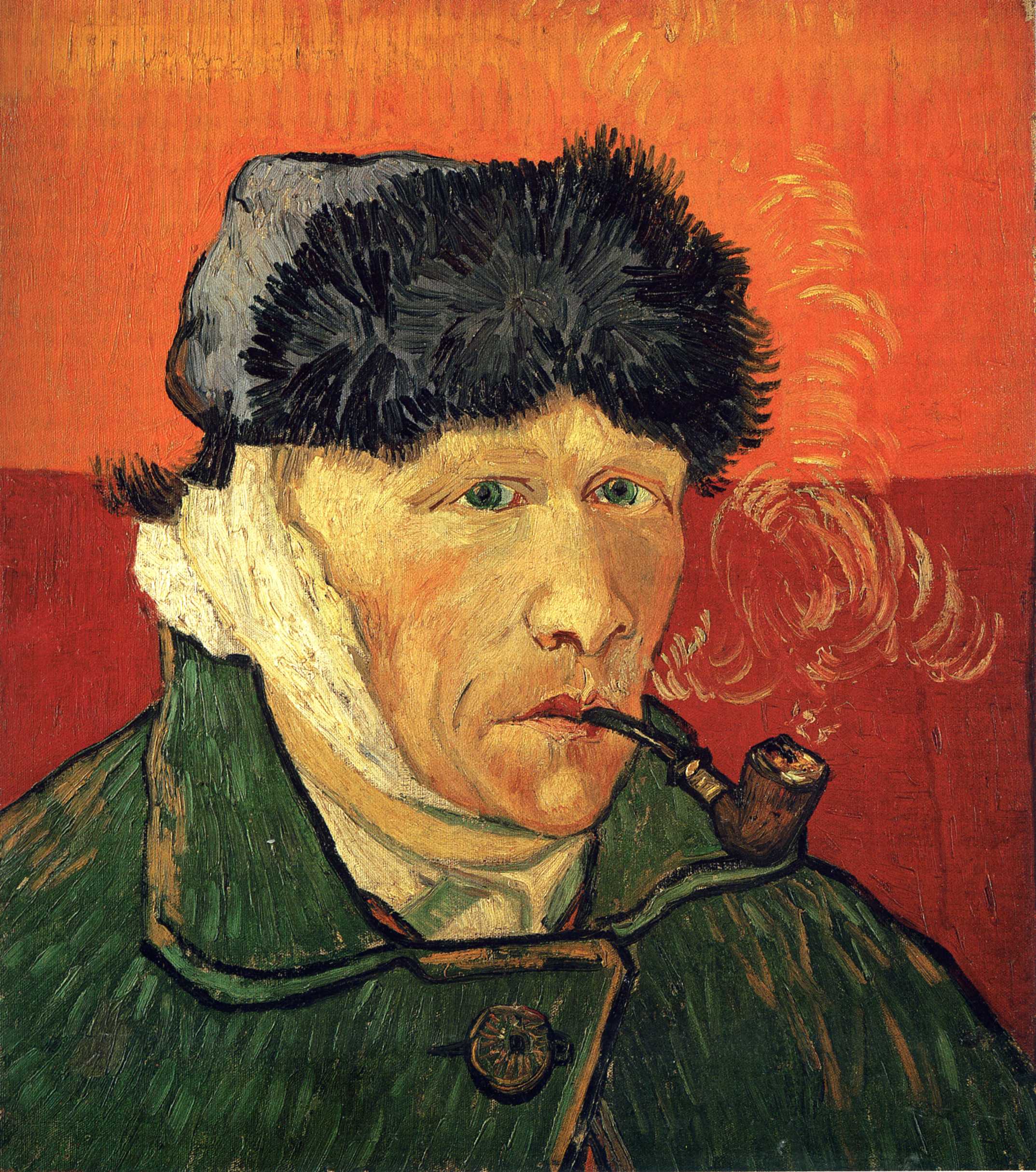
To some extent, just having a clearly stated goal helps you reach it. If you put in a little effort, however, you’ll reach much farther. Here are some examples of first steps. Once you get going, you build immediate momentum. It is the first step that is the hardest.
Goal First Step
Learn to dance, cook Sign up for a class
Clean and organize your home Set a date for a party, send invitations
Lose ten pounds Use nonfat milk in your coffee
Change jobs Update your résumé
Be a better husband Send flowers today, do the cooking
Be a better boss Compliment someone for a job well done
Improve your attitude Smile at everyone you meet
Change the world Buy a recycling bin and recycle plastics
Get in better shape Find a gym partner and meet three times this week
Try investing ten minutes a day in your goal. It will all add up over the long haul. Inch by inch.
You don’t have to work on just one goal at a time, either. Switch off between goals. Try to set them up so that no matter what you are doing, you are working toward one of your goals.
Excuses, Excuses

Self-limiting excuses hold back many writers from reaching their goals.
Many people, a great many, in fact, have a goal to write a book. I hear it all the time. Yet only a fraction of them ever do it. It remains ‘the elusive goal’. I think it is more a case of wanting to ‘have written’ rather than do the writing. Unless you have a ghostwriter, a book will not write itself. Besides, for many people the goal is to sell a book. To sell a book, you first must write it (or at least a proposal). Commit it to paper, page by page. That is the part that can be, well, work. It’s tough enough with a positive attitude.
I can’t because i can’t even spell my own name. Get a spell checker or hire an editor.
I can’t because there are already too many books out. Always room for one more.
I can’t because I don’t have an agent. Self publish.
I can’t because i may fail. What is the worst that can happen?
I can’t because I’ll have to quit my job. Do it part-time.
I can’t because I’m too old. Better late than never.
I can’t because critics may trash it. What doesn’t kill you makes you stronger.
I can’t because i don’t know what to write. Write about what you know.
I can’t because I am not an ‘idea person’. You don’t have to reinvent the wheel.
I can’t because I don’t have a computer. Typewriters still work fine.
I can’t because I can’t get started. Join a writer’s group.
I can’t because who will watch my cat when i go on a book tour. Deal with it! Do phone interviews.
Replace ‘I can’t from your vocabulary, and replace it with I will’
Deadlines

When I am working on a book i give myself a page count and set a deadline. I find that very helpful. I know how much i have to do and when it as to be completed. If the book is to be three hundred pages and I have one hundred days until it is due, I have to write three pages per day – every day.

The deadline also serves as wake-up call. It creates a sense of urgency and forces action. I know many creative people who will not do a thing without a deadline. When their deadline looms – watch out, they work like mad.
It is the same way with any goal. Without a deadline, your goals remain out of reach. With a deadline, you have that extra motivation that will usually help you find a way to reach them.
ACTION TIME
Find your current age on the time line. Next determine the ripe old age you believe you will live to. Now subtract the years you have left. What is the one thing you want to accomplish more than anything else in the remaining years?
0 18 21 25 30 35 40 45 50 55 60 65 75
Out of Focus
Many creative, inventive, imaginative people have struggled with an inability to focus at one time or another. The most successful have used this ‘fault’ to their benefit. Focusing is not an easy thing to do. At any given moment, you have an infinite number of choices. The trick is basing your choices on your particular strengths and weaknesses. And sometimes your weaknesses can be the deciding factor.

To help you focus on your goal, try these simple techniques:
- Keep it in front of your face. Write out your goal on posterboard and hang it over your desk. Make a painting of it and hang it in the bathroom, the kitchen, above the television set – where ever you spend the most time. Make a dangle toy out of it and hang it from your rearview mirror.
- Make a goal board that includes a collage of pictures representing your goals. Make it an ongoing project, growing as you do.
- Make a game of it. Give a point value to each of the steps you plan to take toward your goal, and come up with a grand total you need to reach your goal. Keep a running total of the points you’ve earned, and reward yourself when you’ve reached 25, 50 and 75 percent of your goal. Decide on your rewards (preferably in ascending value) beforehand and attach a picture of it to the point total you must reach to earn it.
- Think positive. Use daily affirmations to keep you focussed on your goal. I will do it. I will do it. Nothing can stop me from (state your goal). Repeat your affirmation three times when you’re in a quiet relaxed state.
- Find a goal partner, someone who will hold you accountable for acting on and achieving your goals. Have you ever noticed that when you have a workout partner waiting for you at the gym, you’re more likely to show up? You don’t want to let them down – so you don’t let yourself down.
- Talk to other people about your goals. Tell everybody. Be enthusiastic Don’t let them shoot you down.
- Surround yourself with other people who are working toward goals and who are positive and excited about what they are doing

Excuses for Not Having a Quest and Goals, Why They are Bogus
If you haven’t already taken the steps outlined in the previous story, you may recognize yourself in one of the following excuses. As creative people, we can come up with some pretty clever rationalizations for not having written goals – and they’re all bogus.

“I already have goals’. Fair enough. Are they written down? Can you spell them out? True goals – the kind that work, anyway are written down. As a result, they can be reviewed, revamped and recalled, guiding your everyday actions and decisions.
‘I set New Year’s resolutions every January, and by February I’m back to my old ways. Goal setting does not work”. There is a big difference between goals and resolutions. One works and the other does not. Resolutions are often unrealistic and impulsive. You are initially exceited about them, but there is no real commitment, so you’re quickly discouraged and distracted. Written goals, on the other hand, involve some real soul searching. When you are doing what you really want to do, you’re more likely to follow through
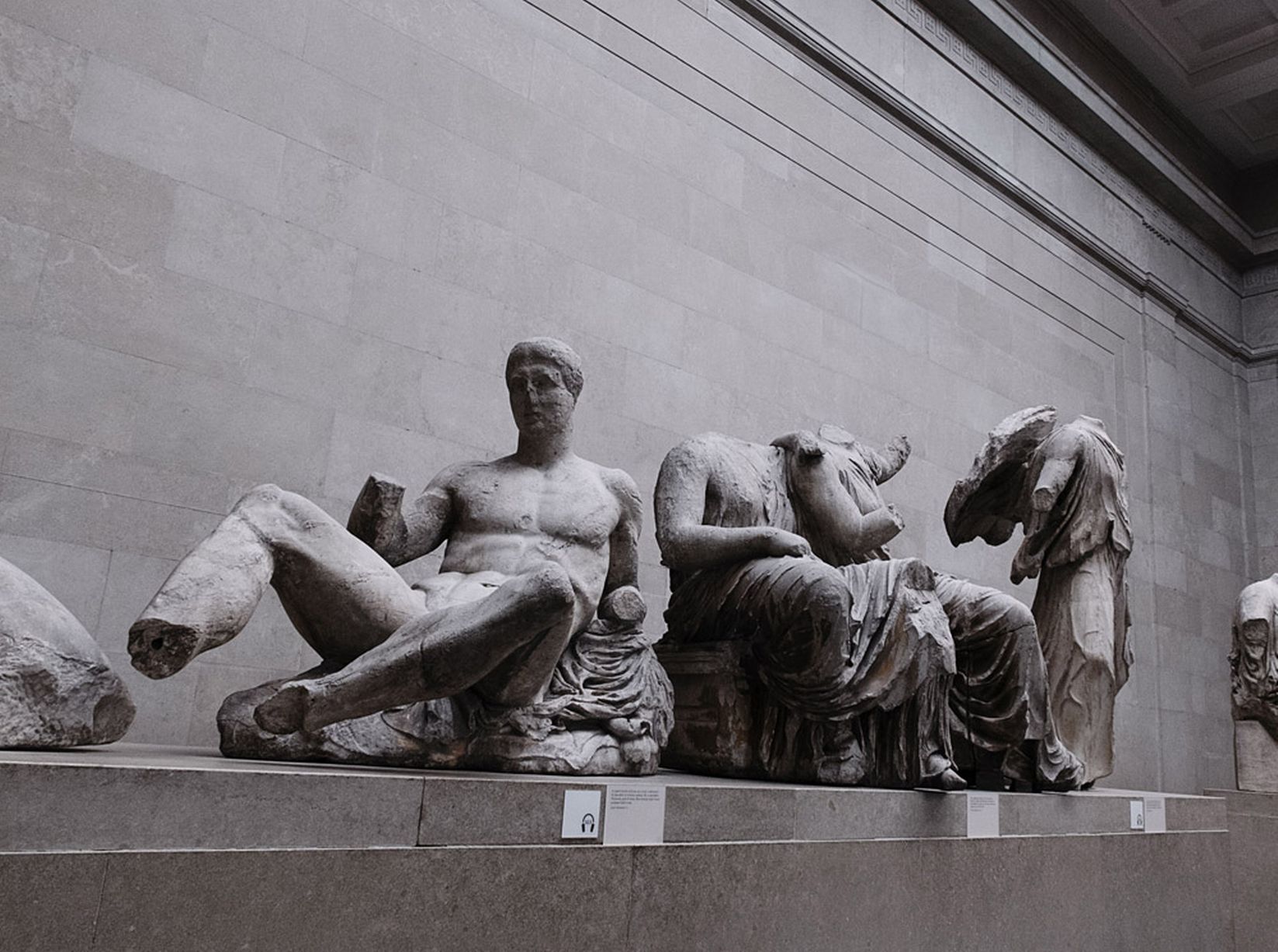
‘Setting goals is overwhelming, complicated and too much work’. This excuse boils down to not knowing how to set goals. When you follow the steps in this guide, you’ll learn a lot about yourself and you’ll also start developing a skill that will help you do what you need to do
‘I’m too busy living my life, man’ Besides you can’t know what is going to happen in the future’. Live for today, we can all die tomorrow right? Wrong, you can live another decade or more 🙂 That gives you a lot of life to live – with or without goals. Having written goals gives peace of mind, clarity of thought, and hope for the future. It motivates you, guiding your daily decisions so you can make the most of that unforeseenable future.
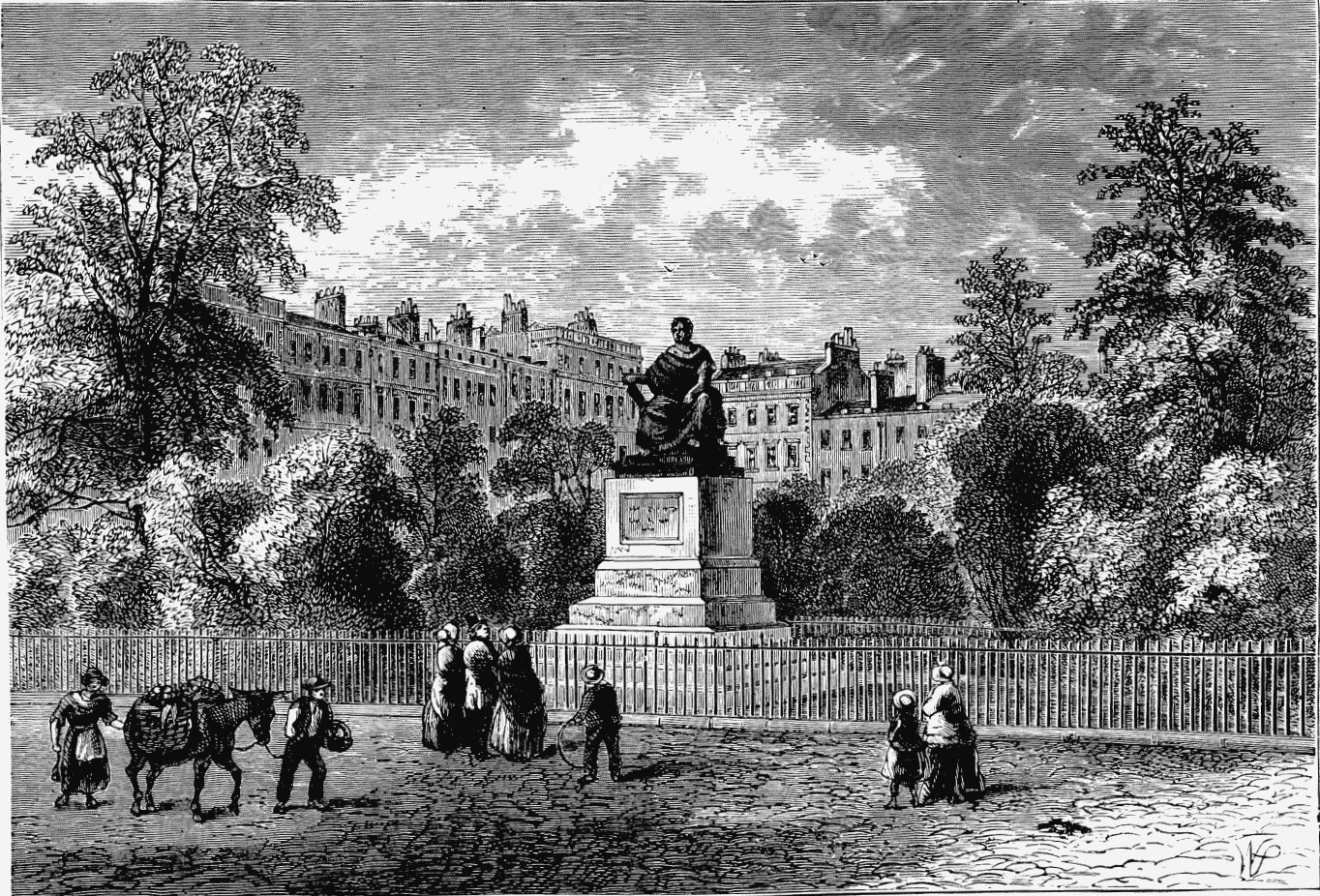
‘Written goals will make me boring and predictable and stifle my creativity’. Okay, so write them down in pencil. Change or refine them as often as you like. But get them down on paper first. Otherwise you’re likely to be bored, frustrated and stifled, the very things you want to avoid. You don’t have to set your goals in concrete – but if they are in sand, the tide can come and wash them away. Setting real goals involves self knowledge, and self-knowledge alone can help you chart a better course.

I don’t have time to set goals. Make it a priority. Do what you can now, however small it is. You’ll be surprised at how little steps can add up. Being too busy can be a symptom that you’re afraid to slow down and really take a look at yourself and make decisions about what to do when you grow up. Your life is frittered away on endless details and mindless errands.

“Written goals? That is serious stuff. I do not know if i am ready for that big a step” These excuses reflect closely held fears. Fear of failure, fear of success, fear of change, fear of c….c…commitment. When you let fear get in the way, you’ll always play it safe, never writing that book or opening that business or taking your paintings to a gallery show. That can lead to feelings of anger, frustration, depression and lack of motivation. The answer is to take smaller steps. Setting goals doesn’t mean making sweeping changes that you are not prepared for. You don’t necessarily have to quit your job; you just need to take the first step toward achieving what you want, or you’ll never get anywhere

‘What will others think if I try for more?’ or ‘I know I could do more, but I’m satisfied with what i have now’. Low self esteem is a deep down feeling that you don’t deserve to be happy and successful. Why shouldn’t you have all the things you desire? You deserve it as much as everyone else. Don’t let others make important choices for you.
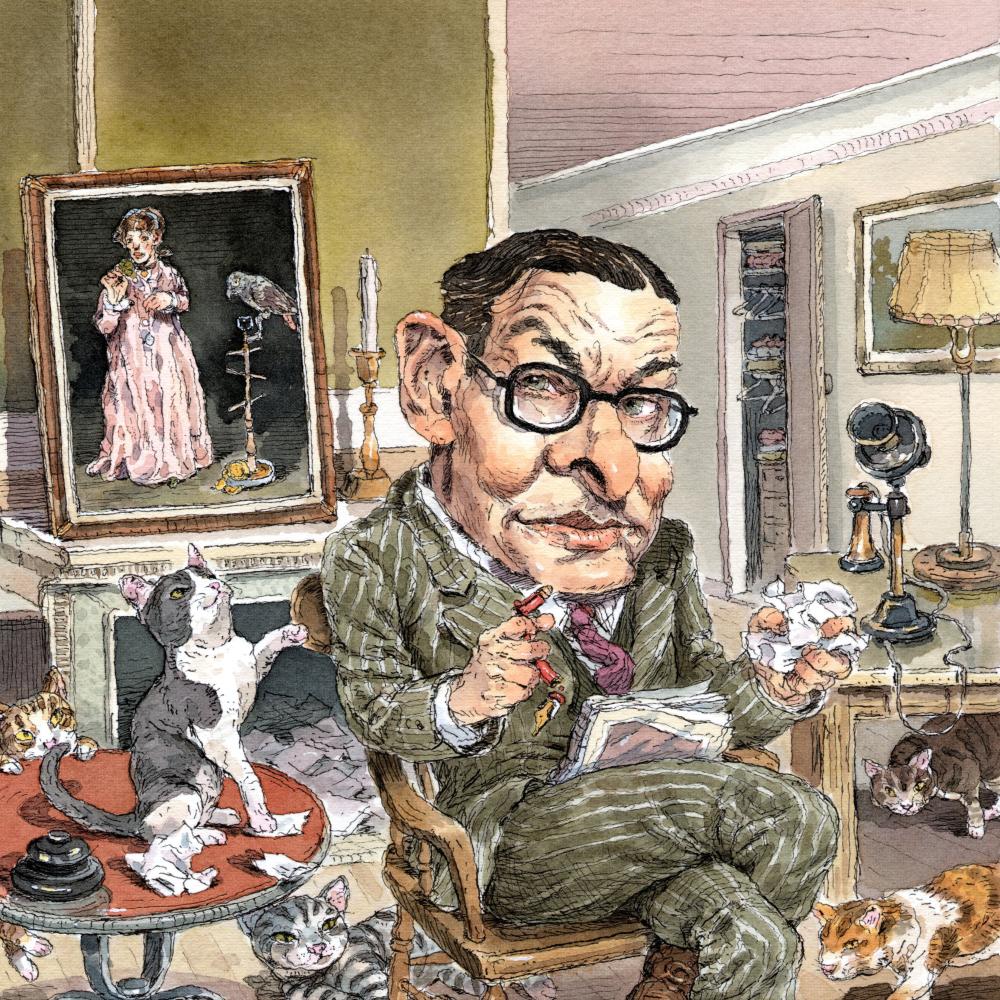
‘There are too many things i want to do, and I don’t want to choose just one’. You don’t have to choose just one. You can have several goals or one overriding goal, a quest, a mission and several goals that support it.
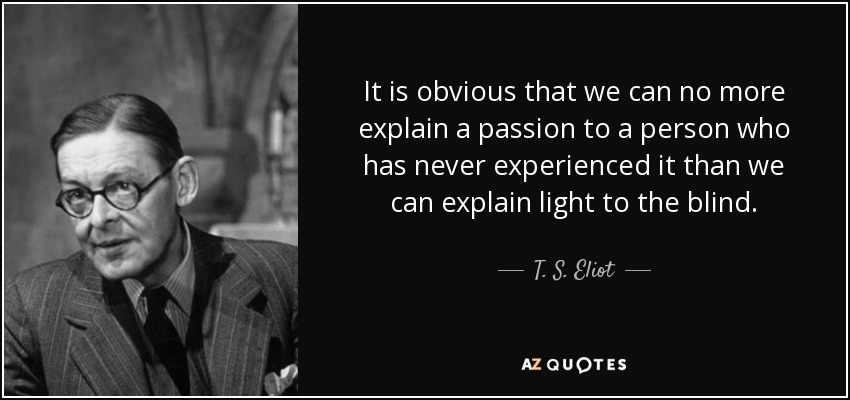
It Is Not Just a Job, It is an Adventure
Someone once made the observation that you spend more time planning a vacation than you do planning your career. Why is that?
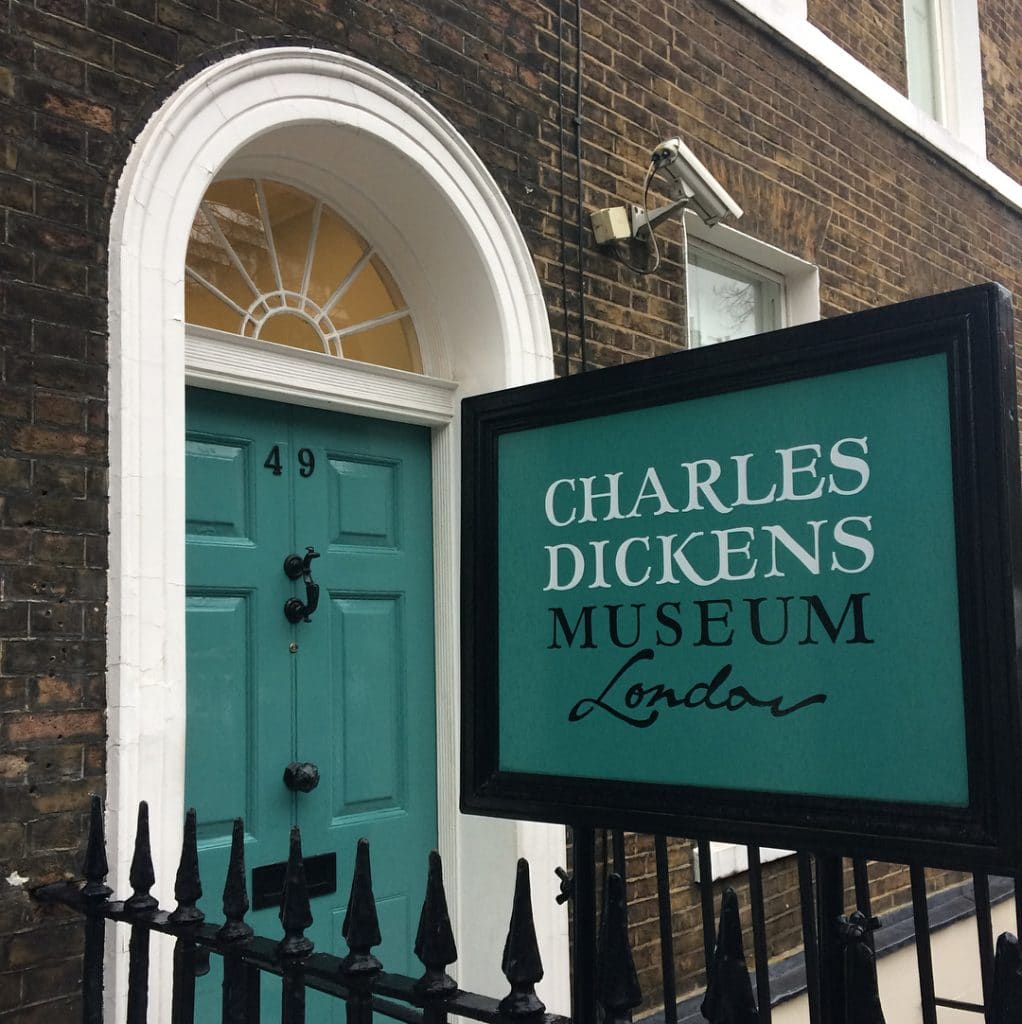
Think about how you plan a vacation. You start out thinking ‘oh, i think i’d would like to go to someplace tropical (or historical, or educational, or exciting). Then you start to narrow it down to specific hemisphere, then country, then type of place to stay (camping or resort), then particular place to stay, then how and when to get there. Once the reservation is made, you can look at what you’re going to do when you get there – or figure to wing it.
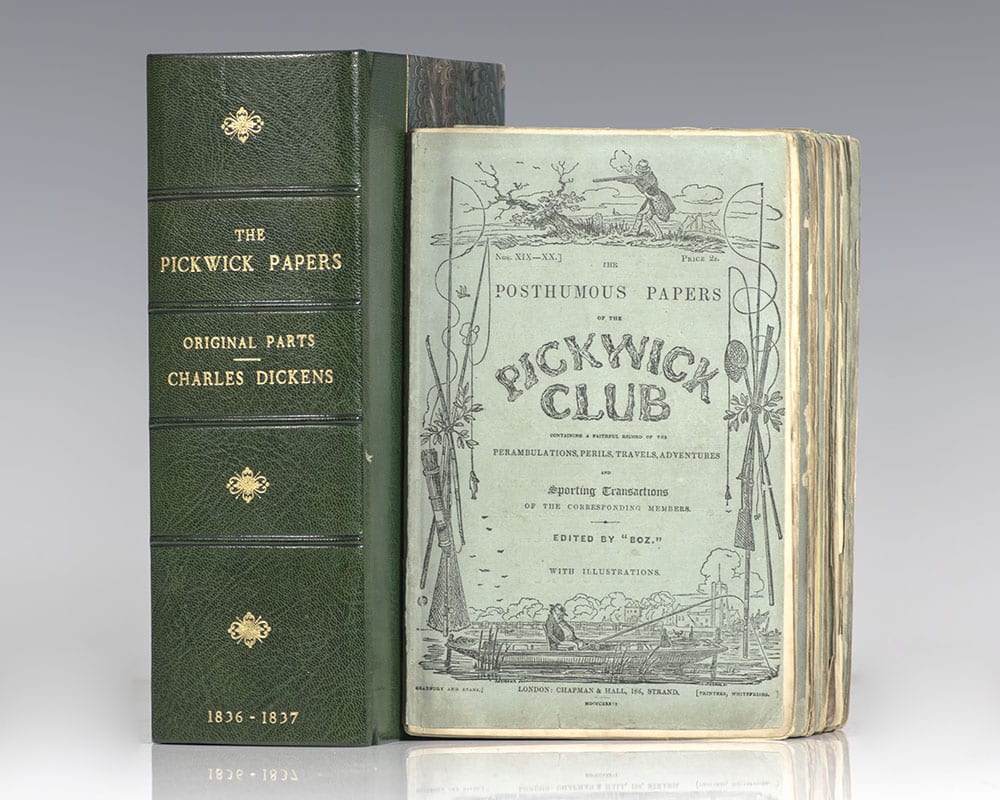
Planning a career is a lot like that: setting a goal, then narrowing your choices down step by step until you’re where you want to be. If you haven’t done that yet, it’s past the time to start Don’t think of it as limiting yourself, this is just one vacation, and you have got many years ahead to travel the world. But without a little planning, you’re not going anywhere.
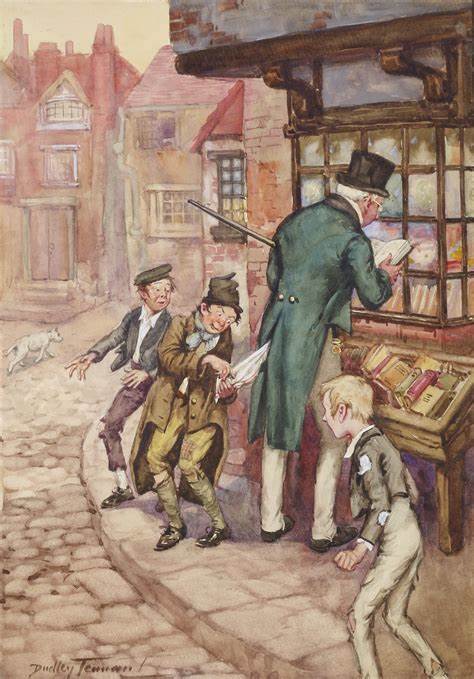
Life as Art
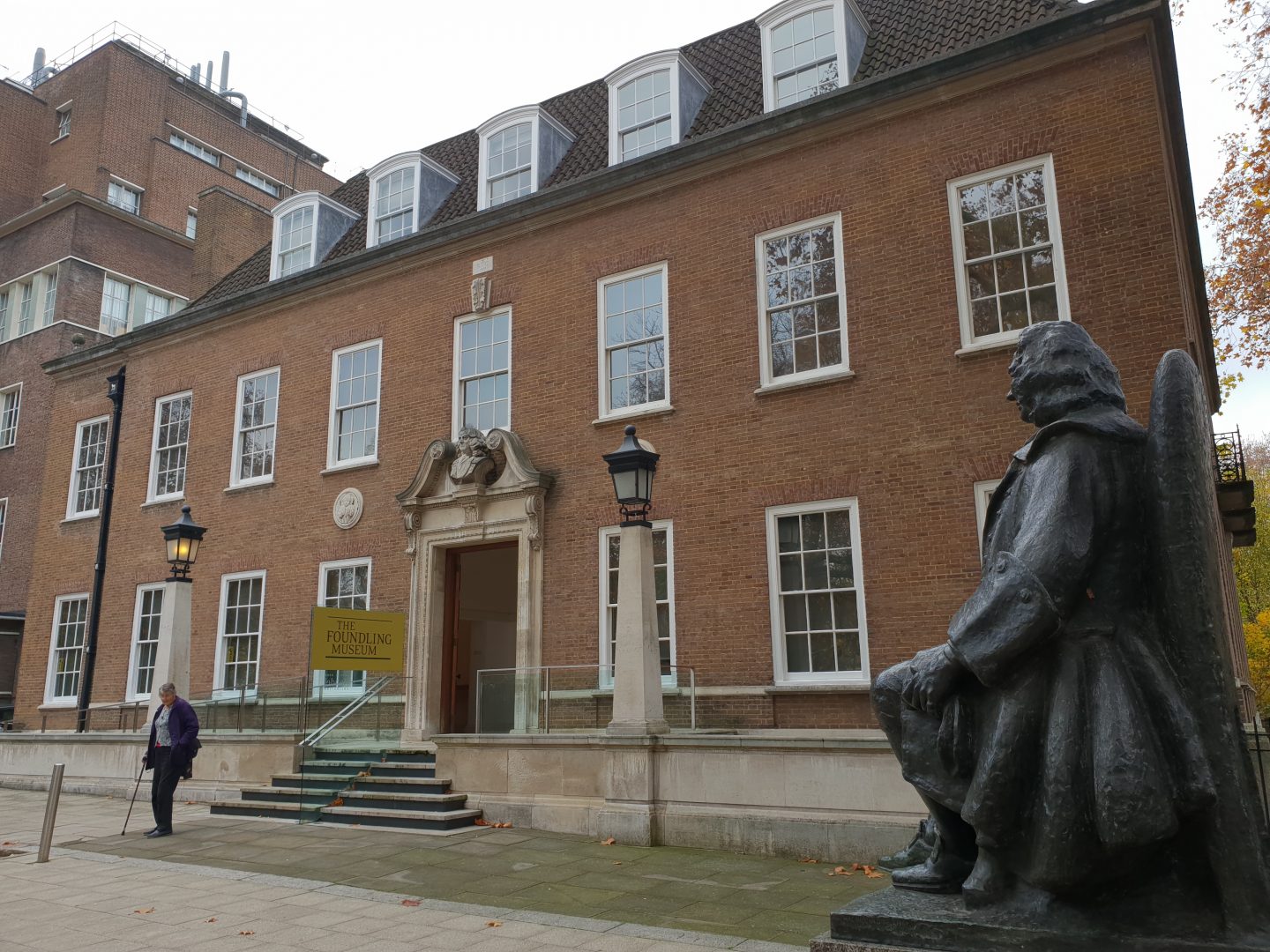
There are times in your life when everything seems chaotic. You are in full crisis mode, unsure of what to do next, unsure about everything really. What you think you need is a vacation to escape your challenges or at least to sort things out. The truth is, you need to get a handle on your life and get control again, to make some sense out of the uncertainty. You don’t need a vacation, you need a vocation and a plan. This will help you make it through the turbulence and come out the other side less stressed and stronger for it.
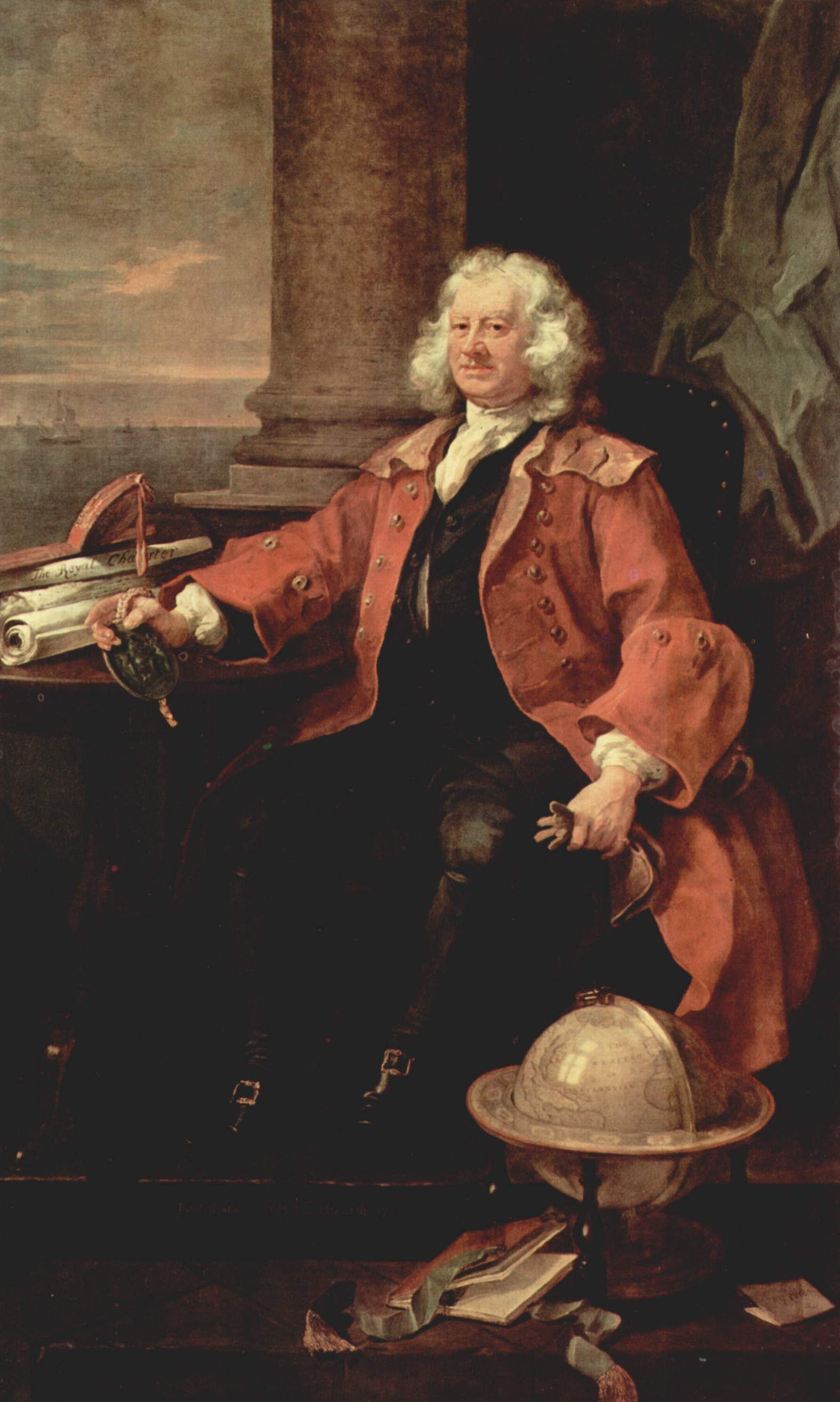
Even the rightest right brainers need some structure in their lives. Yet creative people resist traditional planning because they think it is too structured, too limiting. It doesn’t have to be. You have clarified earlier your vision and get a goal. Once you have a goal you need a plan to help you reach it. This plan is more like a map. It has footprints to show you what steps to take (and in what order), landmarks so you can tell when you are veering oof course, a list of recommended provisions for this trip, and the names of some trail guides who can help you get where you are going quickly

The starting point is here and now. The goal is to earn a living from what you enjoy doing Once you get there, you can do a lot of sightseeing, wander around and have a good time. From your vantage point you may decide to set out for someplace new. The steps are the same each time: choose a destination, work out how to get there, and go.

ACTION TIME
Think of two important transition points in your life. Write a key word for each one. What was your feeling at the time? How did it turn out? How did you plan for it?

Myths about Creative Careers

It helps to expose and explore some of the myth surrounding creative careers (and careers in general) before you go any further. Things can look pretty glamorous from a distance, but once you are within spitting distance, you realize that this is not anything like it was advertised to be. It also does not help when people send you postcards about how swell everything is, when in reality the weather is stormy and the people are rude. Forewarned is forearmed – an old fashioned way of saying ‘If you know what you’re getting into, you’re less likely to get in hip deep before you notice the smell.
Myth: Your career is your life. Reality: The average person changes careers five to seven times before they die – and creatives change careers more like five to seven times every five to seven years. It is okay to be a job hopper in the creative arts. In fact, the future will be more like a project to project kind of jumping around. Even if you think you want to stick with one job, one company your whole life (are you sure you are a right brainer?) it is not possible anymore. End of story.
Myth: Companies offer careers. Reality: People create careers.
Myth: You climb the corporate ladder from mailroom to boardroom. Reality: Traditional career planning is useless today. The old rules are obsolete, and paths that were once prominently marked are now grown over or washed away. Make your own path.

Myth: Glamorous fields and big titles are where it is at. Reality: Titles don’t mean all that much anymore – managers finally figured out that a big title makes up for a small paycheck, and even janitors have become industrial maintenance engineers. I say go for the check and let them call you whatever they want.
Myth: Work is a necessary evil. Reality: When you find the ideal career, you will never work another day in your life. It won’t feel like work, anyway. That is total actualization.
Myth: Pick a path that involves the hot careers and you will be sure of a job. Reality: Don’t limit yourself to what is hot and popular. Follow your passion, your curiosity. The experts don’t know what is best for you, any more than your parents or friends do. You know. So stick that neck out and go for it.
Myth: Once I make it, I’m set for life. Reality: a creative career is like a roller coaster ride. There is a slow and steady climb as you pay your dues, work hard and make connections. Once you get to the top, you have just about a second to enjoy the view before you go plummeting to the bottom ten times as fast as the climb up. Sometimes that fast drop is your choice, sometimes it is not. The momentum of it carries you back up the next rise however, and around the curves to the next dip and rise and the next. The point is that the creative arts don’t take you on a steady uphill climb. But unlike other professions, they offer a lot of thrills, too.

Myth: I want my first job to lot to launch the rest of my life. Reality: If you are waiting for a job to start your life, stop waiting. You need a life first. A sense of who you are and what you want to be. Then you go looking for a job. Most people make a more lasting commitment to their second career, because they have had time to figure out what they really want by then.
Myth: Changing your career will make everything okay. Reality: The saying ‘whereever you go, there are you’ comes to mind. While there is no doubt the right career makes life much, much better, it won’t make you better. A career change is external. If you are unhappy where you are now, take the time to discover why before you leap into another situation.
Myth: The most talented people get ahead. Reality: Talent can take you only so far. Having a vision, a plan, the willingness to treat your career as a business – that is what it takes to go ahead.
Myth: Some people seem to get all the lucky breakes. Reality: You make your own luck. Behind all those ‘lucky breaks’ is a lot of legwork, preparation and planning. Being in the right place at the right time means putting yourself in a position to be at the right place (get out there), being prepared when opportunities arise and having the guts to grab your chance when it comes. Many people claim they have got no chance to win the lottery. So they don’t play. Are they unlucky because they will never win or unlucky because they don’t take a chance? Opportunities are everywhere, but without a clear vision of what you want, you may be passing up many lucky breaks of your own.
Myth: Entrepreneurs are born, not made. Reality: it is true, not everyone is cut out to make it on their own. It takes a certain type to be in business. But creative people have many of the traits necessary to be successful businesspeople. They also have some traits (like an allergic reaction to detail work) that must be overcome.
Myth: If I work harder, everything will work out. Reality: In the military they have soldiers digging ditches and marching around in circles. This is very hard work. What does it get them? Calluses and athlete’s foot. Hard work is need to make it in the creative arts, but working smart and taking time out to let ideas percolate is needed even more.
Myth: You have to have a college degree to make it in the arts. Reality: Although a college degree cannot hurt you become an artist by doing. Building your skills, portfolio, and relationships while actually creating something is the best way to learn.

Myth: There are simply not enough jobs in the creative arts to go around Reality: You only need one. Don’t have a defeatist attitude, or you are already defeated. Somebody is going to get a book deal or record contract, or sell their software idea. Why couldn’t it be you?
Myth: The entertainment industry is glamorous, so get any job you can. Reality: The above the line people (writers, producers, directors, actors) definitely have some perks, but for the most part it is hard work, long hours, a lot of sitting around, weeks and months away from your (real) family when on location.
Myth: The only real artists are starving artists. At least they have some integrity. Reality: Some art forms simply do not pay well, no matter how many dues you pay. But making money at your art does not mean you are a sell out. It means you are smart enough to find a market for what you love to do.
Myth: Do what you love and the money will follow. Reality: If it were that simple, don’t you think everyone would make it big time? The real message behind this myth is that it is much more pleasurable to do what you love for a living. Because you love it, you do your best work and work hard. As a result of those factors, the money finds you. Hopefully, before you are dead.
Myth: You have to be famous to make a fortune. Reality: Anyone wh has had any degree of fame will tell you that it doesn’t pay the bills. Being respected by your peers and adored by your audience is awesome, but there are plenty of people you have never heard of who are quietly making millions. Fame is not the goal; it is a somewhat by product of doing good work.
Myth: If you don’t like having a boss, you should work for yourself. Reality: That is true – as long as you don’t have any clients, partners, publishers, agents, fans, etc. Freelance clients will work you harder try to pay you less than any ‘real’ boss. They don’t care about your other clients, other commitments, cash flow problems, or the fact that the deadline comes smack in the middle of the first vacation you had planned in years.
Myth: You can’t start at the top. Reality: Actually, you can. Start your own business, and you will be owner, boss, CEO. You will also be publicist and bottle washer. Entry level jobs are necessary. Use them. Take advantage of opportunities to learn.
Myth: The more you make, the happier you will be. Reality: The more you make, the more you make. Money creates its own problems, and happiness is something else altogether.
Myth: There is no such thing as job security anymore. Reality: Your job security is your talent and skills. Build on each experience, developing new skills and making key contacts along the way. Be willing to change, adapt, learn and reinvent yourself. Be a problem solver and self starter, innovative and productive. You will not only survive – you will thrive.
Myth: It is too late to start over. It is never too late to look for and pursue your passion. Over the hill just means that there is another hill waiting for you to climb.
Myth: Start looking for a new job when you are ready for a change. Reality: Always be on the lookout for opportunities. Keep that story of yours updated and handy.
Myth: Jobs are like marriage. Reality: Jobs are more like dating.
Myth: I have to settle for whatever comes along. Reality: What you want, wants you. You only have to settle if you are unwilling to go out there and meet your life halfway.
Myth: Day jobs must be waiter, cabbie or webcam sex. Reality: It might be even better to find temp work or entry level work in your field. That way you learn from the inside out, make contacts, and learn about opportunities firsthand.
Myth: Everyone is out to steal your ideas. Reality: Very few people have the intent, ability, follow through or malice to steal your ideas. Don’t let fear hold you back. Do what you can to protect yourself and your ideas, and then go out and spread the word. Make something happen.
Myth: You need an agent,a book deal, a record deal to make it. Reality: There are ways around the gallery, publisher, studio when it comes to getting work out there. Be a do it yourselfer.
Myth: When you figure out what your dream is, everyone will support you. Reality: the sad thing is that more people try to sabotage you than support you. Their insecurities and envy are their problem, not yours.

Myth: If you are all over the place, you have got a better chance of catching a big break. Reality: lack of focus is one of the biggest problems creatives have. In fact, I would say that focus is the difference between flourishing and floundering.
Myth: Only anal retentive left brainers try to plan out their life or careers. Reality: Even creatives need a plan, a loose plan with a tight vision.
Use an Umbrella
Realistically at most you should pursue only three paths at once. If they all come under the umbrella of one career, all the better. This means everything you do feeds one or more aspects of your career.

An umbrella title like storyteller, designer, inventor or performer can get you started on a career path, while you are still exploring possibilities. Don’t get me wrong though. The more focused you are on what you want, the easier it will be to plan your career and the more opportunities will arise. If you can say you’re an artist and define the medium you want to work in, you have an edge, a niche.

This will not hem you in. It is simply where you are today and where you want to go at this time. You can always adjust your course. Make a choice now, however, and you have an edge over all those wandering generalities out there. You can remain flexible and take advantage of opportunities within your niche. You can go as slowly as you like, but knowing where you are going also lets you go faster if you like.
Make sure you match up who you are to what you want. Take another look at your responses, to the questions in the preceding guide. Don deny these needs and preferences just because an interesting opportunity arises.
How do you know if you have chosen the best path for you? Pay attention to your dreams. Remember this, ‘dreamjob means it is your dream’ not anyone else’s. When you feel excited and energized in the morning to start working on what you do, you have found it.

ACTION ITEM
List your skills and talents, highlighting the ones you think are most important, that you enjoy most using. Think of three jobs or careers that use all of your highlighted ones. Choose the one that sounds best to you, and find out more about it.
Pay Attention To Your Dreams
How do you know if you have chosen the best path for you? Do what i call the “fire in your belly’ test. If you feel fire in your belly when you think about what you are doing then you’re likely on the right track.
Remember this, “dream job” means it is your dream. Not anyone else’s

Who is Out There? Meet Before You Leap
Early in the planning process, you need to find out evertyhing you can about the field you think you want to go into. What exactly do you do day to day in this career? What are the trends? Hoe did others get their start? How do you get ahead? What are the negatives, the benefits?
Make a testdrive in your dreamjob:
- Talk to people who are doing what you think you want to do. Maybe follow them for a day.
- Read biographies of successful people to see what it took. Are you wiling to move back home with your parents during the startup phase of your career? Work a second job? Work in the garage? Move to another city?
- Go to trade shows, make lunch dates with people in the field you are interested in, do informational interviews, look at interviews online.
- Research gives you more confidence. The more you know, the less you stress. Absorb all the information you can, and then go with your gut. Let your instincts be your guide. Make informed decisions about how much you want to earn, whom you will work with, what tools and talents you need to master, the hours, the environment, the stress level. Then you can move forward with a sound decision about what you want to do. You can avoid quite a few pitfalls this way.

The best thing I ever did for my career was write a book about famous and successful people, asking them questions about how they made it. I learned more from talking to them than I ever did from any career coaching book. I picked up on their love for what they did, their enthusiasm and their energy. Success is contagious, and the advice you can glean is great. Brainstorm with others for ideas on how to get where you want to go.

Are you worried that the path others have taken no longer exists, or that they somehow had it easier? I bet there is someone who made it to where you want to go with fewer resources than you have, and greater obstacles. Read their stories. Talk to them and get ideas. More than that, get fired up!
Q&A
One way to make your career plan (once you have a goal in mind) is to do a simple a simple Q&A:
Question: What would it take to reach my goal?
Answer: Specific things you will need to be, do, have and share.
Action: Action Steps you will take
Acknowledge: Monitor your progress with benchmarks and deadlines
Adjust: If your plan is not working, ask a better question
The Zoom Lens
Right brainers are big picture people, but when it comes to detail (the devil is in the details) they get distracted. The possibilities are limitless, which makes the concept of planning a career overwhelming. The answer is to break it down, then simplify it and streamline it further.
- Who is doing what I want to do?
- What steps did they take to get there?
- What could I do to follow in their path?
- Whom could I ask how they did it?
- What obstacles might I face along the way?
- How will I deal with those obstacles?
- What are some possible solutions?
- What are the decision makers along the way looking for?
- What do I have to do to meet those needs?
- What will I need to acquire along the way?
- Where is the action happening?
- Where will I need to go to give myself a better shot?
- Where am I now?
- What can I do to close the gap between what I want and where I am now?
- How can I build a bridge form where I am to where I want to be?
- Who can help me reach my goal?
- Where do I need to be to have the best chance to make this happen?
- What skills do I need to acquire?
- What am I selling?
- Can I make a living at this?
- Who is my audience?
- How can I best reach them? Get it to them?
- What is in it for them?
- How much do I want?
- How can I simplify the process?
- What do I need to support this?
- What steps do I need to take? In what order?
- What action can I take right now, today?

Work Backward
- Visualize exactly what it will look like, feel like, be like when you reach your goal. For instance, you want to have a novel published by a large publisher and sold and promoted nationwide. Picture yourself signing your finished book for anxious readers.
- Whom must you persuade to publish your book? An editor.
- How can you get an editor to buy your book? You need a literary agent.
- How do you get a literary agent? You need to write a proposal.
- How do you write a proposal? You need to get a book or hire an expert on the subject.
- Who do you know who has a book published and may know an agent?

Beginner’s Mind
There is something to be said for having a ‘beginner’s mind’ and going off without a suitcase, to make it without a clue about what you are going to need. Sometimes that approach works because if you really knew all the things that are “required” to make it, you might just say, “Forget it, there is no way”.
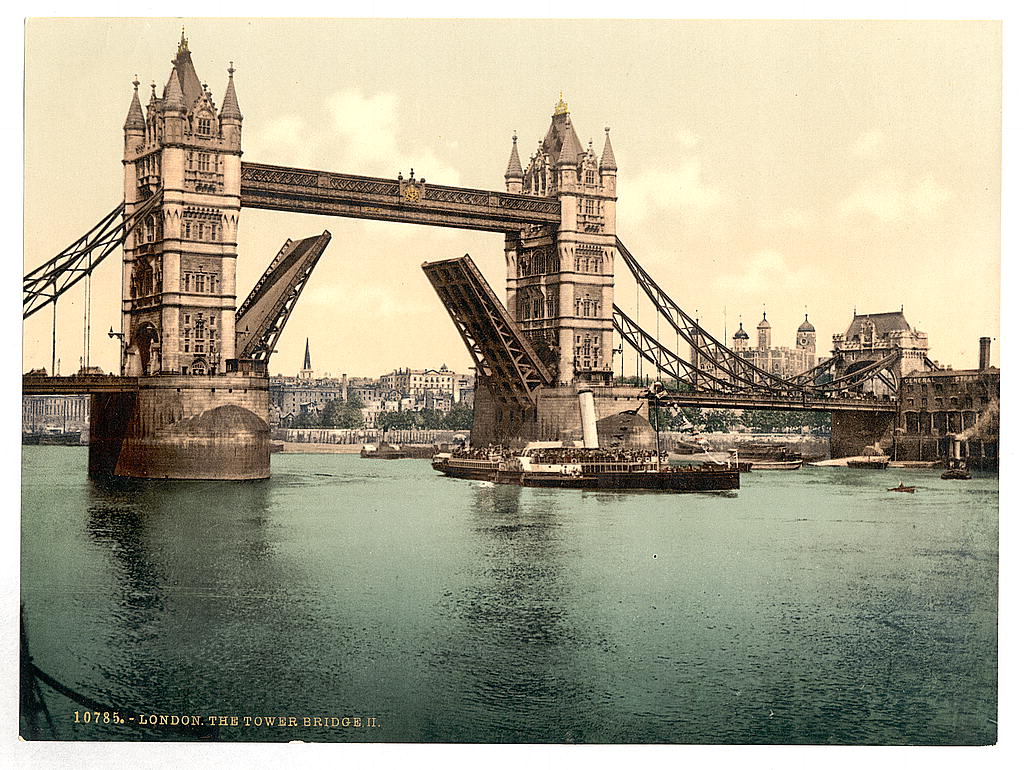
You must hone your craft, but not to the point where all you do is practice and never get any real-world experience. Learn when good enough IS good enough, and go out there and show them what you can do. Look for opportunities to prove yourself. Take the leap.
When starting over – and you will start over, at least once in your life – look for transferable skills you have picked up along the way. Take classes, any kind of classes that will feed your ultimate goal. Be humble. Learn the nuts and bolts. Designers don just know the nuts and bolts. They know how the production process works. It makes all the difference in developing cost-effective, intelligent work.
Starting Out
It is not where you start that matters, it is where you finish. It may be that in the early years of a career (or career change) you have to get the coffee, make the copies, and do the grunt work. Do it with a smile and some savoir – faire. Give people more than they ask for. Keep your eyes and ears open, Enjoy this time, because there will be a whole new set of challenges when you take the next step along your path.

I still meet people who are unwilling (and unrealistic) about the price they have to pay to make it. They are unwilling to wait their turn. Though I admire that ambition, i notice they are easily frustrated when things don’t go their way fast enough and they give up prematurely. Sometimes they have built a life that requires a lot of maintenance and money. They must earn x amount to meet their bills, so they are not just unwilling, they are unable to relocate, work long hours and make sacrifices.
Many of my generation came out of the box with high expectations and when they were unable to speedily reach the lofty heights they set for themselves, they moved on, abandoning their true calling. They were swinging for the fences and striking out.
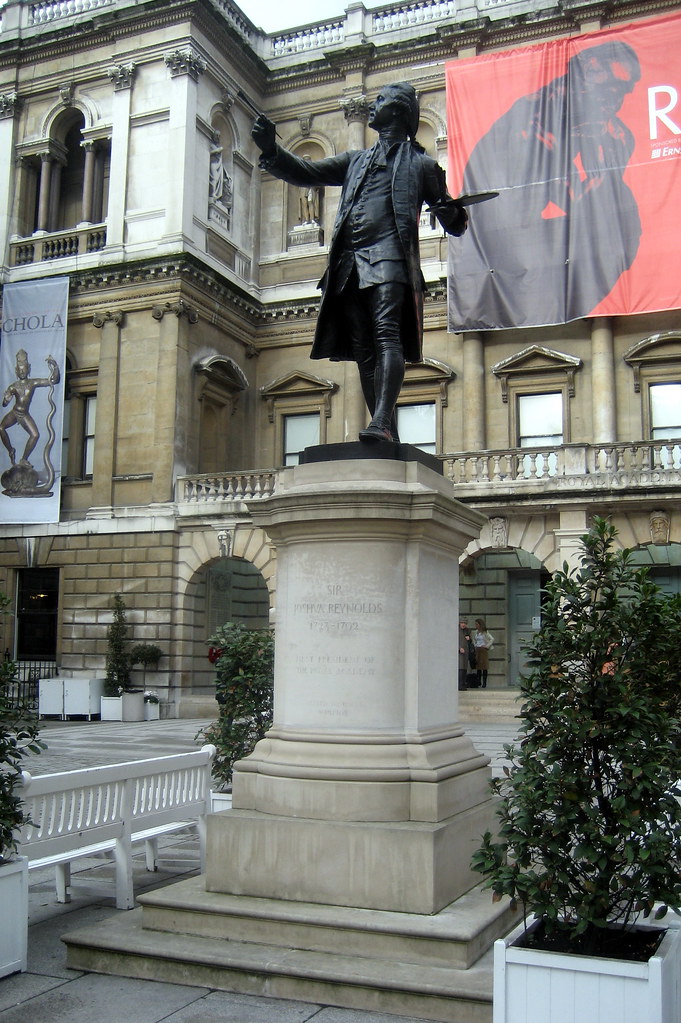
Many creative people must follow a long, tough road. No matter which creative career you consider, you have got to love it. You have got to want it more than anything because it is so hard to make it and there is so much competition and so much rejection. You should be doing this because you love it and you should be willing to sacrifice and even starve for a while.
Survival Tips
Money both helps and hurts when planning a career. Too much, and you get soft and are unwilling to take any risks. Too little, and you can’t function. Even so, that is the biggest obstacle people throw out when it gets down to the nitty-gritty of planning a career: How do I survive while I make my move?
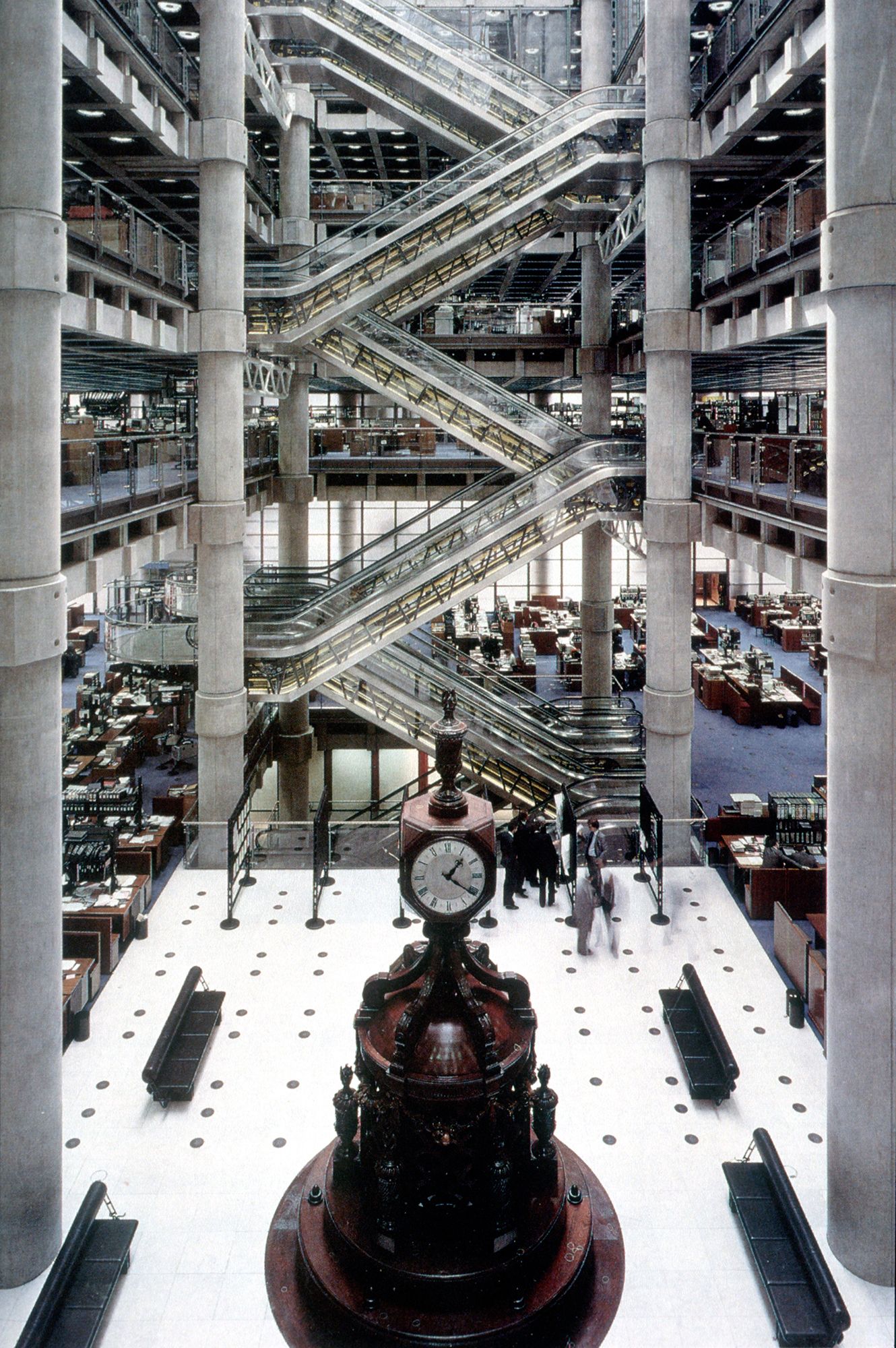
How much do you need, bare minimum, to get by? What is your bottom line per month? Is there anything you can cut out to lower that number while you get going? What is more important to you, time to work on your craft or a nice car, recreation, toys? Most people use material comforts to make up for lack of substance in their life, relationships and career. Is that what you’re doing?

Could you be a monk for a while? Quit smoking, get a roommate, live on cereal? If the answer to this is NO WAY, I have to ask, how badly do you want a career? Seriously, if you aren’t willing to suffer just a little to get what you want, maybe it is not right for you. This is what I mean when I say passion. If you have real passion for a goal, a career, an expression of your creativity, no obstacle will loom too large. If you don’t have every obstacle will seem insurmountable.
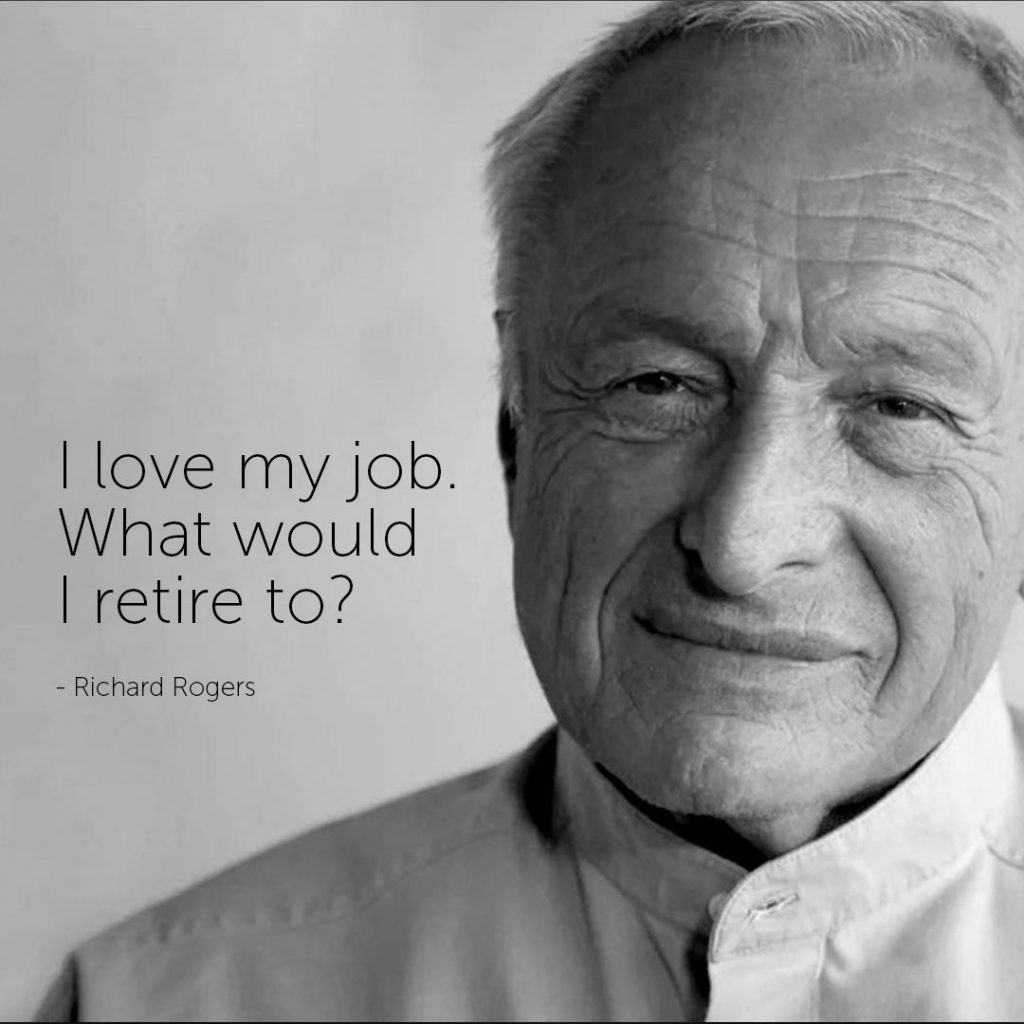
The up and down cycles common to the creative career can cause financial trouble if you don’t plan for them. As someone who goes from project to project, I have had good times when the money has rolled in and lean times when I wanted to roll up my pantlegs and wade into the wishing well and collect the coins. Creative people have to be disciplined enough to plan for the droughts by saving some during the boom time so they don’t go bust when it gets tight. But don’t be so afraid of the downtime that you take every job that comes your way, whether it ties in to your plan or not.
If you aren’t willing to let go of what you have and go for what you really want, you aren’t committed enough. And the fact is, the more you are willing to risk, the more likely you are to make it. It also seems that the less you care about and need money, the more it comes to you.

When you get too involved in proecting what you have, it stifles your growth. Hoarding what you have gives an illusion of safety, but, as the saying goes ‘A ship in the harbor is safe, but that is not what ships are for”.
Waiting for Your Ship to Come In

Do you think you are above having to work a ‘real’ job to tide you over while you work your plan? Try to find a job within your industry (for an actor, it could be a behind the scenes job, for a dancer it might be assisting the choreographer or teaching kids to dance, for an author it could be writing ad copy or reporting for the local newspaper). That way you can hone your skills and make contacts while getting paid.

Meanwhile you don’t have to put your creativity on hold. You can make any job more creative, interesting, lively or varied. Read during the slow times at the hotel desk. As long as you make sure the results are excellent, you can do it your way.
Teach what you know. Who would pay you for what you know? When you’re starting out, think of community groups, small businesses, local publications – they are all on tight budgets, and most are willing to let you learn while you earn.
Don’t quit your day job when you are first starting a freelance business. Take a leave or absence or go to partime or switch your hours but hang on to those benefits and that regular paycheck as long as you can.
Don’t use all your creative energy on you day job so that you are so drained when you get home that you cannot create. If you slave away all day, have something for your ‘real’ creative career.
Who Is the Storyteller of Your Life?
Choose either a or b for the following questions:
- Success in a creative career is the result of: a. dumb luck b. hard work and preparation, as well as being in the right place at the right time
- Which better describes how you feel about the job market for creatives? a. It is extremely competitive and there aren’t enough good jobs to good around. b. Somebody is going to be hired, and it should be me.
- Do you feel powerful or powerless? a. My life is controlled by others. b. My life is determined by my own actions.
- Can you control what happens to you in the future? a. Yes, by taking the advice of my fortune teller b. Yes, by setting a goal and making a plan to reach it.
- How do you see your life two years from now? a. Why plan for the future when I could be dead tomorrow? b. I will be able to support myself with freelance work in two years.
- The future of my chosen profession is a. Just a minute. I am calling my fortune teller now. b. I have checked it out, and my field is growing by leaps and bounds. I will probably need to learn some new storytelling skills to keep ut.
\ Obviously the b answers are better.
ment.

Against All Odds
When you feel as though it is pointless to plan because of the overwhelming odds against you, picture a stadium filled with people. These are all the people in the world who want to do what you do. This is your competition. Don’t panic because it is packed. Let’s start helping some of them to the exits.

Those who have no talent or training, please leave the park.
Remove all the people who aren’t willing to sacrifice and pay their dues.
Take away the people who don’t have the fortitude to make it.
Eliminate the people who don’t believe in themselves enough.
Remove people who sabotage their success
Gone are the people who have no plan, who are wandering around aimlessly.
Now look around.
There are still people there, but there is room at the top, plenty of room in the middle, and loads of space at the bottom. You are unique and with a vision and a plan, you can make a start and work your way to where you want to be.
For the Record

A vocation is what you want to do for the rest of your life. It is your ‘calling’.
A career is the line of work you are in and the work you do. You change careers, but rarely change vocation.
A job is what you are doing at this moment
Basic Training
In the creative industries, you can get away with creative approaches. These are skills that aren’t taught in most colleges but they can make or break your career aspirations. That’s why this is an in-depth look at how to get what you want. It isn’t always the most qualified or talented person who gets the job. Haven’t you ever sat and watched a movie or read a book and said, “I can do better than that”? But you aren’t doing it, and they are.
So here is how to get hired, get ahead, go out on your own and get what you want. Some of these skills are pretty straightforward, others make use of your creativity, and still others will force you out of your comfort zone, but all of them are keys to your career success.
How are you using your creativity to get what you want? are you interested in the basic training and advanced techniques that can help you? In this hero’s journey you encounter stories of people who used creative approaches to get what they wanted. They broke the rules of engagement and launched an all-out assault. They met resistance and won the war. Even if the odds are stacked against you (there is sooooo much competion, etcera, etcera) that doesn’t mean you can’t get the job you want. Don’t fight fair. This is war! Charge!
Your Resumé Story
Résumés for the creative person are different (in more ways than one) from the traditional résumé. A résumé will not get you a job, but you still have to have one. The résumé will get you in the front door, and without one you will probably be led out the rear exit.
Many books are available on how to write résumés and cover letters. If you want the basics (put your name and phone number on it, keep it to two pages maximum, and so on) read one of them. The following advice is for right-brain types willing to invest some of their creativity in job-hunting.
What to Include
It isn’t what’s not in your résumé that matters, it’s what you include that keeps you from getting hired. Employers and recruiters are looking for reasons to exclude you. Here is what you should list:
- Include a unique hobby. It makes for an interesting conversation starter during an interview. You also don want to seem one dimensional. I have actually heard of underqualified candidates getting hired because of their diverse backgrounds and hobbies.
- List software programs you are proficient in, and any technical skills you possess.
- Include your website adress, if you have one. You can show off your work and include a few peeks at the real you. Don’t go overboard with the personal touch, however. There are things a prospective boss doesn’t want to know.
- Focus on experience related to the position you are going for, not your greatest accomplishment
- Your greatest strength as a creative person can be a combination of strengths. Don be afraid to include a diverse background. It is also acceptable in the creative arts to be a job-hopper. Don be embarrassed by a lot of short-term stints.
- The artist’s résumé should include exhibitions and performances , most recent commissions, awards and honors, grants and fellowships, radio and TV appearances, magazine interviews, a bibliography (credits) , education, training, teachers, teaching experience, or career-related experience.
- Include appropriate trade associations
- Stress results, not just facts. If you worked on a project that won a award, made money or produced some impressive numbers, put it down.
- Keep it simple, silly. If something doesn sell you or help you land that job – cut it.
Subtleties
Big companies have employment departments that sort through résumés and elimante most using a written job description. You don’t even get a chance to appeal to the person who needs you until you’ve passed inspection by a bureaucrat. What does this mean? Quite simply, your form had better be correct, your spelling flawless, and your résumé complete with adresses and telephone numbers of past jobs and references. Even amont the bureaucrats however, you need to stand out. Just remember, you’re probably facing a conservative, anal-retentive detail pusher, so don’t go overboard.
Make sure the copy is readable. Keep margins wide and spacing open for a clean, uncluttered look. You might use an interesting font, but be careful. Avoid using colored type. Keep it simple and direct, paring it down to as few words as possible while still conveying your experience, education and goals. Make sure the reader can find the information they need at a glance. Many creatives like to use oddly shaped or oddly folded résumés for visual impact. While this technique will make your résumé stand out in a pile, remember who you’re dealing with, here.
The most effective résumé makes a connection between you and the reader. Use a photo to make eye contact. If you become a person to them, they’re less likely you to stick you in the dumper. Don’t be shy. Even a passport-type photo will do, but I have seen outstanding résumés with a full-body shot filing the right margin. Use your creativity. Photos, particularly faces, draw the eye and afford your résumé more attention that it would otherwise get.
Don’t be dumb, cute or overly gimmickly. The shoe (get my foot in the door) or the fork (I’m hungry for this job) doesn’t cut it. Show them you’re clever, yes, but show them you’re serious about getting this job, too. THe ultimate compliment you can pay a prospective employer is to customize your résumé to match the position. If you can’t do that, use the cover letter to make very clear what your goals are and what position you are seeking.
Keep your résumé up-to-date, adding to it as you get credits or meet important people who are willing to serve as references. This is one place where name-dropping is valuable. If you didn’t get the job the first time, try sending your résumé in again whenever you have a major addition. Don’t wait for the perfect credentials, references, and/or experiences though. Hand out your résumé, post it on the Internet, mail it – just get it out there. The sooner you do that, the sooner you will land your dream job.
Nouveau Resumé
When applying for a position in the creative business, you have the advantage of being able to use your creativity to stand out. That said there is a paper thin line between class and fun and foolish. Here are some clever gimmicks that helpedd to stand out.
Bottle of wine. Applying for a position in a winery, an applicant made her résumé into a bottle label. She was hired.
T-shirt. A graphic artist put his résumé and picture on T-shirts and sent them out to prospective employers. He got more job offers than he could handle, and went into business for himself instead.
Booklet. I made my brochure into a booklet, with stories I have written and pictures of myself with clear contact information. It’s been well received.
Brick. A woman had her résumé engraved and attached to a brick. She was interviewd and get hired.
Denim. Looking for a creative position within a jeans company, one applicant printed her résumé on a piece of denim. She was hired on the spot.
Press release. Looking for work in a PR firm, one woman made her résumé read like a press release. She was hired.
Audo résumé. A friend sends audio résumés that people can listen to in their cars. It has worked several times.
Other possible gimmicks include making a movie poster, a comic strip, a podcast, a menu or a magnet. Optimize your gimmick by making sure it connects to the type of work you’re looking for. Be sure the copy – in whatever form – is clear, concise, and easy to read. You don’t want to waste a great idea.
Your Cover Letter
Without a cover letter, you may as well not bother sending a resume. The cover letter adds depth to your package and allows some of your personality to come through. Also, you get to explain in more detail why you should be considered for this job. When writing your cover letter, use the following guidelines:
- The first sentence must be a grabber. That is the only part that gets read in most cover letters.
- Take the attitude that you are looking for an opportunity to work with this wonderful company or on its exciting project. State some common interests. Read up on the company and its personnel – and let it show. Refer to any personal relationships you have with anyone in the company.
- Keep it short – one page, double-spaced, with wide margins. At that, busy people will only skimit.
- This is really a marketing letter. That means sell the sizzle and not the steak. Count how many ” I’ s” you have in your letter. Try to turn each “I” into a ” you” or a ” we” or a ” your company” by asking yourself, ” How does what I have to offer benefit them?”. ” My experience, bold style and media connections can help your company increase visibility at major industry trade shows.”
- DON’T be boring. Drop the formal rhetoric and let your personality shine through with a more conversational tone. Show some enthusiasm for the job.
- Put it on your own letterhead, along with a logo. If you don’t have a letterhead, create one, or have the best artist you know create one.
Portfolios
A portfolio is a sight-seller, a visual documentation of, and testimonial to our talents, skills and accomplishments, as well as evidence of your experience. Interior designers, photographers, storytellers, craftspeople, illustrators, production artists, fine artists, performance artists, animators, television or film techs all use portfolios.
What goes in it? Your art, whatever it is, put into concrete form – photos of original art, printed pieces (including books), storyboards, projects you have worked on, and prototypes. You may have to create some mockups or pieces to fill in the gaps and show off your creativity.
At the back, you might include press clippings, letters of recommendation, awards, articles you have published, photos, seminar certificates, or exhibition history. Lead with your best and dump the rest. An inferior piece drags the whole body of work down.
Portfolios are usually used during an interview, which gives you the opportunity to point out the best parts, explain how and when different pieces were done, and answer questions. It pays to have a mini-version of your portfolio printed in color, with her name, address and telephone number at the bottom. It was expensive to produce, but it allows her to build on the personal impression she makes at an interview. Clients don’t forget her, and sometimes call many months after a presentation.
- Keep your portfolio visual. This is not a resume. Minimize type, using it only to date and place each piece. You can even use a video, particularly if you are involved in the performing, television or animation arts in any way.
- Consider whether you want to focus your portfolio on an area in which you are a specialist, or show off your versatility. If you want to do mostly slick, expensive work, weed out the nonprofit, small-time budget-conscious stuff. If you’re pitching to a client who has a commitment to community, include your pro bono work and to be sure to point it out.
- To have a complete portfolio, you will have to document everything and save samples of your work. Start your own performance file. Ask existing clients for several copies of each printed piece (you might not get one otherwise)
- Make it flexible and easily updated. Think ahead. If to update your portfolio you have to move every single piece one slot up, it’ s too much trouble. Use a portfolio with removable pages.
- Make it portable. Reduce to fit, limit the number of pieces you include (be selective), or make a brochure illustrating your best work.
- Keep a backup of original pieces in case they are ever lost or damaged. Laminate pieces that might get damaged. Artwork should be clean, neat and well organized.
- Portfolio’s can be on disk, online, in a scrapbook, in a display book, on slides, organized as a press kit in a brochure.
- Video is becoming a popular way to introduce yourself. You can include interviews, mood music, credits and graphics for a very effective presentation. Keep it short. Make a nice jacket cover. Use this medium to showcase your talents. Customize it as you would a resume. Make it match the position you are going for. Use a professional studio to get the lighting and sound quality you need.
- Professional photo’s are a prerequisite for actors. Make sure the picture is high-quality, is reproduced well, looks like you (not a glamour shot) and includes contact information on the back. In fact you can put your whole resume on the back.
- Have postcards of your work made, and send them to prospective clients.
“I look for creative and talented people. Idea generators. I used to think a good person is worth two mediocre workers. Now I think a good person is worth fifty mediocre workers” – Steve Jobs Apple
Interviewing is an art. It is one you can master. It is about a positive confident attitude, a pleasing personality, genuine enthusiasm, a track record, and goals for the future. You don’t have to have the best credentials if you interview well.
There are lot of similarities between a job interview and a first date. On both, you are probably very nervous beforehand. To calm your nerves, you may ask a friend for some background on your date. What does this person like or dislike? You’ll want ot make a good first impression, so you make sure you look and smell your best. Maybe you bring a little gift. You begin by feeling each other out, asking questions and getting to know one another. You are on your best behavior. Your date may ask about your past; try your best to not bad-mouth your exes. You share a good laugh, look for commonalities and decide whether you want to spend more time with each other. They will tell you they will call you.
Make it YOUR interview
An interview should be a collaboration. Ask the interviewer a couple of questions. Get them talking about themselves. Flatter them a little. Be a good listener. Pretend you are going to a talk show. Prep yourself with an anecdote or two, do your research, know your subject matter, prepare for the tough questions. Have a thirty-second story about yourself all ready to go. Sell yourself. Don’t be wimpy.
Interviewers know within the first few minutes whether or not they want to hire you. Psych yourself up or calm yourself down before you enter, whichever is more you. Are you the warrior of the explorer.
Make a good first impression. Body language speaks volumes about you. Walk in confidently, shake the interviewer’s hand like you are serious, sit up and keep your chin up.
Rehearse the basic interview questions like “Tell me a bit about yourself”. Be ready to explain any gaps in your résumé. They may also ask you what your greatest shortcoming is.
Turn the focus around from how you desperately need this job or your car will be repossessed, and emphasize your prospective employer’s needs. Talk in terms of benefits to them.
How can you meet their needs. They may not make the connection from your qualifications, so draw them a map.
Still insecure about that interview? Try these ideas:
Put yourself in their shoes. What would you want to hear if you were they?
Use metaphors (this helps them to understand quickly what you are trying to say), stories (people remember stories), quotes (they say it all so succinctly), statistics (this shows you know your stuff) and examples (proof you’ve done it before)
Bring your portfolio and make it a show – and – tell experience
Bring a notepad with you. At the least, you can pretend to write things down to ease your nerves. More likely the whole interview will be an out-of-body-experience and you’ll want to write down what they ask you to send, and any other notes to help you write your thank-you-letter
Be yourself and be sincere.
Be positive at all times. Give concrete answers with examples. How you are a team player or made money for the last company is always good.
Here’s one thing that will set you apart from 99,9 percent of the other applicant’s: having clear goals and a focus of your future and being able to articulate them.
Give away an idea or two. This shows them you’ve got ideas, anyway. Don’t restructure their company on the first interview, though.
Bring extra copies of your résumé, a mini – portfolio, a list of references, a business card, or a brochure 0 something you can leave with the interviewer when you go.
Try to end the interview with a win. Have one ready for the inevitable, “Do you have any questions”
Make a strong and graceful exit. Sum up what you have discussed and ask what the next move is. Close with what you can do for them. People remember only the first and last things they hear.
Send a thank-you-letter, whether you have got the job or not. It is your last chance to make a good impression.
DON’T DO IT
There are few things that will guarantee you don’t get the job, so don’t go for the interview unless you want to be hired. No matter how good you are at sabotaging yourself, an experienced interviewer is liable to see right through to how wonderful you are.
Assuming you want this job, keep that little saboteur under control.
Don’t be late (arriving all stressed, sweaty)
Don’t interrupt, or you are liable to jump to false conclusions and talk yourself right out of a job. Focus, listen, and then respond.
Don’t complain or put down previous employers. Most companies are looking for problem-solvers, not problem people.
Don’t get too comfortable. A savvy interviewer will try to create a friendly, relaxed atmosphere to get you lower your guard and give you the chance to give them a reason not to hire you. The interviewer is not your friend, so don’t start telling them about the time you….
Don’t resort to tired old clichés like “I’m good with people” or “I am a real fast learner”. Don’t make me wanna puke. Yes, make the same point, just find a new way to say it.
Don’t act rushed. Relax, take your time to answer questions.
Know when it is time to leave. Don’t overstay your welcome.
Don’t give away the store. Some things they can’t legally ask you come out when they ask you the “tell me a little about yourself” question.
Don’t worry too much about your grades, or let the fact that you didn’t finish college make you insecure. Focus on your creativity, your work ethic, your street smarts, and your hustle.
Don’t try to be so cool that you look uninterested. You know what I’m talking about. You don’t want to act like you care too much, so you play it cool. It’s okay to have a been-there-done-that attitude, but at least look like you want to do it again, for them.
Don’t be rude to the secretary or receptionist. She or he can make or break you.
AUDITIONS
Auditions are more difficult than interviews because they aren’t interactive. You don’t get a chance to work on the interviewer, and often you’ll lose out for purely superficial reasons – things you can’t do much about. You might hear “you’re too short”one day and “you are too tall” the other day. That kind of rejection is frustrating and can destroy your self-confidence.
Auditions can be time-consuming, stressful, demeaning and fruitless. Still, it is a part of the creative life for actors, musicians, models and dancers.
The real trick to matering auditions (beyond your virtuosity) is overcoming nervousness and self-doubt. It’s mostly mental, because chances are you’ve got the chops. Relax, think positive – be positive, project positive.
The distinction really isn’t between those who audition well and those who don’t but rather between those who intend to be paid and those who aren’t convinced their skills are worth the money.
Use the waiting time wisely to study, rehearse, relax.
It’s about talent, skill, and proficiency in your craft as much as it is about passion. Put in the work beforehand. Know what you’re doing. Ask for the script or music before the audition, and work with it.
Visualize success. See yourself getting the part. Go into the audition convinced you will get it.
Attitude is everything. Hint: positive, but not Up With People positive. Be enthusiastic, but don’t overdo it.
HOW TO SELL WITHOUT SELLING YOUR SOUL
Selling your talent is tough. It may even be distasteful, especially if you don’t believe in yourself. Many creatives defend their inability to sell as an unwillingness to sell out. Get off your high horse. I am not the devil because I believe you have to get the word out.
As a creative, you are always pitching your stuff, wherever you are, whomever you’re talking to. You pitch people you want to work for, and those you want to work for you. Your style is a pitch of its own, a demonstration of your uniqueness.
To get paid, to make a living, you have to sell. You don’t have to lie, cheat, deceive, or wear polyester suits and gaudy ties. To sell effectively, you must help people, heal them, entertain them, fill their needs. These are good things.
Don’t treat selling as if it were beneath you. If you don’t think you can do it, then you can’t. The sooner you accept that you have to do it, the better. Everyone sells something: ideas, information, talent, skills, products, dreams, energy, art. If you have something to offer, and you want to earn money for it, you sell.
That doesn’t mean you can’t have fun with it.
Try to get some intelligence on your client. People like to do business whit those who know what the hell they are talking about. They will test you. You need them to say yes to your plan, tape, project, promotion. You must motivate them. Find out what it will take to get them to say yes. Work backward. Talk with others who know the client and may have some tips. Visit their website to gain insights.
Don’t get hung up on the first no.
People want what they can’t have. Sold out. Standing room only. For a limited time. I am booked solid through July, but I think I could squeeze you in the first week of August.
Shut up and listen. Ask questions and let them do the talking. Don’t ever ask a question to which they can answer to.
Trust your gut. Use your intuition to judge the situation and react.
People buy from friends. So make more friends, treat people like your friends. Borrow other people’s friends. Keep in touch with old friends. Get referrals, testimonials, leads – and work them.
Be passionate. Being pumped will influence people more than what you actually say.
Don’t be dull!. Don’t be desperate. Interject some humor, an anecdote, a personal story, an example. Make it real. Entertain. Personalize it with your wit. Relax and have some fun.
Be ready to pitch on a moment’s notice. Have your verbal brochure ready to go. It should be so well rehearsed that it doesn’t sound rehearsed.
Lead with your best stuff and keep it short. Be clear and concise about what you’re selling. One to two minutes is a good pitch.
Persistence pays off. Walt Disney was turned down by 403 banks before he found financing to make a mouse-themed park.
Set realistic sales goals. Invite ten interesting people to you today on social media to connect.
Act as if. Don’t lie about your background, but I have read enough biographies to know that when someone is asked if they can play bass guitar and they are a guitarist, they still say yes.
Always have something to give. A demo. An invitation. Photo. Carry them with you at all times.
No matter what you are selling, stress the benefits. People are influenced by WIIFM (what it is in for me). Tap into that. What is their dream, their desire? Sell them on it.
Be reliable so they will want to hire you again. Never miss a deadline.
If they say no, ask for a referral to someone else who might like what you have to offer.
Don’t take no personally. If you don’t get it, who did? Why? What did they do? What do they have that I don’t? How can I improve?
Don’t handicap yourself by saying ‘I am not a salesperson’. You can be whatever you want to be.
What is your bottom line? Ask them what theirs is. ‘What will it take to close this deal’? Find ways other than money to negotiate. Let them make the offer first.
Recognize a poor fit when you see one and back down gracefully.
Thirty Seconds to Yes
Simplify your story so that it is crystal clear. In general, you’ll have about 30 seconds of someone’s attention before they lose interest.
Energy and enthusiasm are catching. You’ll be more likely to make someone else excited if you’re excited first (this works in many areas of life, not just your career).
Practice and be ready for objections and negatives. Treat it like a game.
Put yourself in their shoes. What would it take to get me to buy if I were they?
Take the risk away. Do it on spec. Consigment. Barter. Guarantee.
If selling yourself is a problem, get an agent. An agent serves as a buffer. They cover their fees by getting you more money than you could get on your own. Some will work for you on a contingency basis.
THE PROPOSAL
A proposal is just that – you propose a book, story, idea, or position. You do it on paper, in a letter or more formally then sign and date at the bottom. A proposal clearly outlines the job, giving a time frame and sometimes a cost estimate.
Many writers use a query letter instead of a proposal. It is simpler, basically outlining a story idea, telling why it is a good idea (particularly for the publication being pitched), offering details on art or photographic support, and a time frame. Don’t forget to include as many ways to reach you as possible.
An editor is not your enemy, although he or she may not have time to discuss your project right now. Respect the editor’s time, and you’re likely to get more of it. When you send in your proposal, you should follow it up with a phone call. One. Don’t keep calling if you don’t get an answer right away. It may seem like months to you, but it’s probably minutes for the overworked person on the other end of that phone.
If you’re sending a full-fledged proposal, read a book on proposal or format or ask the publication or agent for their preferred proposal format… and follow it. Then spend some time creating a great cover letter.
Be aware of the bottom line. Show your project has potential. Back it up with statistics, details, references.
Adress it correctly. Send it to the proper person, and spell his or her name right.
Sloppy says lazy. Triple-check for typos. Have someone else read it. Read it backward. Print it out. Let it sit. Read it aloud.
Show that it has commercial value.
Flesh out the problems in your proposal early. Show how you will handle potential obstacles. Think it through.
Know who your audience is. Do your homework!
Focus, focus, focus. Establish your premise clearly and then support it in a logical fashion.
Explain how you can promote it.
THIRTY SECONDS TO YES
Simplify your message so that it is crystal clear. In general, you will have about 30 seconds of someone’s attention before they lose interest.
Energy and enthusiasm are catching. You’ll be more likely to make someone else excited if you’re excited first (this works in many areas in life, not just your career)
Practice and be ready for objections and negatives. Treat it like a game.
Volley with your prospect as in tennis, then go for the kill
Talk in terms they understand
End with a call to action
Put yourself in their shoes. What would it take to get me to buy if I were they?
Take the risk away. Do it on spec. Consigment. Barter. Guarantee.
If selling yourself is a problem, get an agent. An agent serves as a buffer. They cover their fees by getting you more money than you could get on your own. Some will work for you on a contingency basis.
WHERE THE JOBS ARE
This is how the people I talked to found their positions in the creative professions:
- Networking
- Targeting companies directly
- Recruiters
- Job Fairs
Most jobs are available only on the black market, a sort of secret underground network of insider information and connections. Staying in the loop is definitely your best way to find out about positions opening up, but it is not the only way.
The first step is to get on the phone, call your contacts, and tell them what you are looking for. Put out feelers. Call in markers if you have to. You need leads. Ask them to place a “Godfather” call on your behalf to get you an interview. If they don’t know of anything specifically, ask them for the name of someone who might. You are building a bridge to an interview at this point.
Who needs what you have to offer and I will pay for it? Who can say yes to hiring you to fill that need? How can you get to this person? Whom do you know who knows him or her? Start making your hit list.
To add to your list, do some research. Read industry magazines, check out the web sites for companies you have targeted, go to the library, check databases. Knowledge is power.
Once you have a reasonable list put together (no fewer than five names) go where those players are. Attend trade shows, conferences, openings, festivals, expos. When you do contact them, ask yourself this question: “How can I help them?” “What can I do for them?” Ask them to lunch to share some of your ideas. That’s why it’s called give-and-take, with the ‘give’ coming first.
What’s the diffence betwee being persistend and being a stalker? Finding out as much as you can about someone and then selling them on you is perfectly ethical. More than that, it is necessary.
Send your prospective employer a congratulatory card if they did something worthy, one of your newsletters, an invitation to one of your shows (and give them the VIP treatment), a postcard announcing your latest book, play, etc. Keep reminding them you’re out there.
Cold calls are the worst. What you need is for someone to warm up the prospect with a quick call on your behalf. It shows that someone is willing to vouch for you. It is called a “godfather” call because the person calling on your behalf is saying in effect, “It is okay, he’s a friend of ours.
The next best thing is to get permission to name-drop. Impressive references (and the right references) can mean the difference between getting hired and being shown the door. This kind of third party endorsement from a respected individual is priceless (even though it is free). Keep your references updated on your latest accomplishments.
Look, I never said it would be easy. You have to have a thick skin and realize it is a numbers game. you will hear several (hundred) noes before you hear a yes. No is only a two letter word. It can’t hurt you.
Make friends with the gatekeepers. Charm them and make them your allies. Find out their names and use them. Send gifts! Thank them for their help, drop them a card. An insider in the company can carry the torch for you, get your story in the hands of the president, line up a meeting with the human resources department.
PROMISES, PROMISES
There are two rules to keep in mind in your business career. First, when you give your word, always keep it. Second, don’t give your word.
Okay, don’t give your word lightly. Don’t say, i will take care of it when it is one of the million things you already have to do and they are all starting to slide. It is far better to underpromise and overdeliver.
If you stick with that simple rule, you’ll come out ahead and still have time for a life. Other rules you’ll be tested on are:
Protect your reputation with your life. Don’t put your name on ANYTHING you don’t believe in.
Don’t pass the buck.
Don’t be a whiner.
Suck it up. If you screwed up, apologize, prevent it happening again.
Be a doer, not just a sayer.
THE SCHOOL OF HARD KNOCKS
The more work you can do, the more work you’ll have. Continued learning is a way of life now. You must embrace it. You must always be trying to improve and update your skills. This is different for different creative professions, but if I were an actor, I would continue to take acting lessons, maybe some voice lessons, stay fit and continu to work on my craft. In addition I would look into directing, screenwriting and other transferable skills. The more hats you can wear in today’s job market, the more-in-demand you become.
What are hot skills? Skills that help you earn more. Skills that are in demand in your field. What is marketable today? Just about everything. I have to admit that I learn the things I am interested in. I learn deeper when I know I can apply these things to what I do. It is also easier to learn when you are interested. I am going to go against conventional wisdom and recommend that you improve upon your strengths first before you focus on upgrading upon your deficiencies. Many creative professionals dabble in many trades and master none – and they are struggling. Be the best at something and pretty darn good at ancillary skills within the same genre. Master your craft. Then start training yourself to get in shape for the changes ahead in your field.
It also pays to learn basic business skills. It helps you understand the company you work for, it helps you run your own company and personal finances. It helps when you have to hire people, because you actually know what you’re hiring them for. And it keeps you from failing through ignorance.
To be successful, you must learn, know, become more than you are. If you do not evolve, you perish.
SELF TAUGHT
We place too much emphasis on formal education, and not enough credit is given to the people who get out there and do something. Many creatives are impatient with traditional forms of schooling and are consumed by a need to be working in their art. So they make something happen.
Your education and technical know how become obsolete rapidly. The answer is continuous training, ongoing learning. You will need to brush up on your skills and use your Hero’s Journey travelling skills to stay current. That means YOU take responsibility for updating your skills through conventional or unconventional means.
Put yourself in the line of fire when it comes to opportunities to learn new skills. Soak it all in.
Take on projects that cause you to stretch and grow. Don’t dodge a job because you don’t have the skills; just allow yourself twice as much time to do it, and learn as you go.
Be a sponge. Pay attention, listen and learn from those around you. That is what little kids do. Be a little kid again – look at the world through wondering eyes, treat all those big people as giants and geniuses.
Read biographies and pay attention to interviews. Try to apply the lessons they learned to your situation. (It is the next best thing to being there)
Be in the know. Read your industry trade magazines (a must!)
Pass it on. I have found that the best way to learn something is to teach it to others. It is a great way to keep your creativity fresh.
Take your skills and abilities into other fields.
Develop skills in several media.
Experiment. Sometimes the best way to learn something is by playing around.
Get out of your comfort zone. Meet a different set of people and ideas.
Be prepared. Many companies do not provide enough training for new recruits. They want plug-in people who can produce right away. That’s why it’s up to you to get up to speed beforehand.
Take advantage of any and all the training the company offers. Sign up for everything. This is not just for your edification – you’ll make contacts and connections with more people, and you’ll impress the heck out of your boss.
Personal training matters too. Employers these days are looking for such skills as critical thinking, networking, creativity, resourcefullness, initiative, decision making and team skills.
Do some cross-training. Try other jobs, skills, teams, departments, projects, become more versatile, multitalented – and as a result – indispensable.
Stay physically fit. Your mind works better, you have more stamina and you present a better appearance
Become a bookworm. Go to the bookstore and introduce yourself to a book advisor. It is one of the best things you can do to expand your knowledge. They are experts at helping you find information fast and they love to do it. I use the public library all the time. I research books and read magazines I am interested in but don’t want to subscribe to
Read everything, because you never know where a connection will come from. I am convinced I will be able to use something from Oscar Wilde’s Dorian Gray in one of my books some day! Well, I did actually
Practice, practice, practice. Have you ever met someone who is “book smart” but has no practical sense? Use what you learn. Test it out. There is no replacement for hands-on learning.
Use all your senses. The more senses you can attach to a bit of information, the better you’ll remember it. see it, feel it, trace it on the table with your finger, say it aloud, sing it, dance it, taste it in your imagination.
Attend shows, exhibits, concerts, movies. Listen to speakers. Be an active participant. Ask questions. You will always walk away with some new insight
Get more experience. Take a day job or an internship, do temp work. Make the time. Set aside one evening a week to learn and grow.
Become a storyteller. Use all your storytelling skills in every interaction.
BE A GREAT STORYTELLER
Are you more afraid of speaking in public than of snakes or heights? Those other things can kill you. Communication skills are a major consideration when hiring an employee. People make judgments about your competence, creditbility and intelligence based on your communication skills. Your ability to express yourself clearly can propel you forward or hold you back. Remember Pygmalion (My Fair Lady)?
The ability and willingness to listen is the best communication skill. After that, learn to be a better storyteller. Don’t ramble. Get to the point and shut up.
It is been said that inside every successful artist is a potentially successful writer, probably because both express themselves from the inside out. Work on your writing skills. Start a journal, write letters. Make that column sing. Become a wordsmith and expand your vocabulary. Unless you’re a lawyer however, this means learning the correct word, not the biggest one.
GET HIGH ON LIFE
Stop fooling around. You’re wasting your life. When are you going to grow up?’ Ever hear those phrases? I did. I decided that I didn’t want to have a life that I had to take a vacation from. So far, so good.
Go find yourself. Take off. Travel. Experience life. There is plenty of time to get a regular job. Self knowledge gives you direction and improves your self esteem – two keys to a better career.
Get some culture and round out your experiences. You create from the inside out, and it is difficult to create meaningful work when you have no life experiences.
Learn how to do things you’ve always dreamed of doing. Travelling to other countries allows you opportunities to try out careers.
When you return, be able to describe to your clients how you benefited from the time. Did you learn leadership skills, written skills (I wrote and created a newsletter for the hotel I stayed), speaking (I led tours in Italy’s great cities), teaching (I taught kids to write a novel) or teamwork (I worked with some graphic designers/artists in Berlin to create a book. Your list may include learning and skills, creativity, resourcefullness, planning, managing, publicity, fund-raising and so on.
Explore your personal interests and see if any of them lead to your next career, or at least an exciting life. Test drive various career options, have some fun, and don’t have any regrets when you settle down into a career.
Stop fooling around. You’re wasting your life. When are you going to grow up?’ Ever hear those phrases? I did. I decided that I didn’t want to have a life that I had to take a vacation from. So far, so good.
Go find yourself. Take off. Travel. Experience life. There is plenty of time to get a regular job. Self knowledge gives you direction and improves your self esteem – two keys to a better career.
Get some culture and round out your experiences. You create from the inside out, and it is difficult to create meaningful work when you have no life experiences.
Learn how to do things you’ve always dreamed of doing. Travelling to other countries allows you opportunities to try out careers.
When you return, be able to describe to your clients how you benefited from the time. Did you learn leadership skills, written skills (I wrote and created a newsletter for the hotel I stayed), speaking (I led tours in Italy’s great cities), teaching (I taught kids to write a novel) or teamwork (I worked with some graphic designers/artists in Berlin to create a book. Your list may include learning and skills, creativity, resourcefullness, planning, managing, publicity, fund-raising and so on.
Explore your personal interests and see if any of them lead to your next career, or at least an exciting life. Test drive various career options, have some fun, and don’t have any regrets when you settle down into a career.
TEMPORARY INSANITY
Ninety percent of today’s businesses use temps. There are business reasons for this. It allows companies to keep their permanent payrolls down and give themselves staffing flexibility. They don’t have to give you notice when they decide they don’t need you anymore. If they don’t like you, they can just cancel with no reason required. You’ve got no say where they put you, and no grievance process if they don’t treat you well. They pay more for the service (you don’t get paid more, the temp company gets theirs off the top) but they don’t have to do the taxes and insurance paperwork on you – that’s handled by the temp company.
How does temping benefit you? It is a good way to learn skills and practice them under fire, sample different careers or positions within those careers, get an insider’s perspective of different companies, scout out a field while making no commitments, get your foot in the door, and perhaps land a permanent position. It also gives you a lot of flexibility in terms of amount of work you do. If you’re writing a novel, you can set up to temp two days a week to pay the rent, while leaving yourself five days a week to write.
Look for niches in the company you are temping for, and make it obvious that you can fill them. Find creative ways to solve problems that arise, and then offer to do it freelance, as a permanent employee or parttime. If you are lucky enough to work on a successful project, you can take some credit, which will pop off your résumé.
A few temp agencies will help train you (to make you more valuable for them). Ask them about sending you to seminars, workshops, trade shows. Maybe you can use their equipment during off hours.
THERE IS NO ‘I’ IN TEAM
The creative person is a jazz musician (improvising and experimenting) living in a pop music world (formula thinking, tried and true). When the two worlds collide, there can be a fusion and some pretty impressive music, or an explosion.
Why are some people so difficult to deal with? There are several reasons, among them the fear of change. These are not confident people. It could be the enormous amount of pressure people are under. Think about films and the mixture of big budgets, tight deadlines, collaboration and egomania and you get a fairly combustible mix. It is safer to do it the way it was successful before.
It could be the bottom line people (stockholders, CEO’s, middle management types) who want to squeeze one more penny out of every project. Which means you won’t get enough time, money, staff, or support to do the job right.
Creative people want to make something impressive, something to be proud of, damn the costs. The innovator (that’s you) is often more concerned with the work than the bureaucreacy and doesn deal well with paperwork, punctuality, policy and other left-brain rules and regulations. Through compromise, things can work out, but they can also turn ugly quick.
This is reality. If you want to see your work produced, you have to learn to deal with management types, committees and idiots. At the same time, it’s important to take steps to minimize their (negative) effect on you. Two steps, in fact: First minimize interaction with them; communicate through mails. Second, use behavior modification techniques; if they start saying something negative, LEAVE.
ACTION TIME
Who are these people? This quiz will help you find and weed out the worst offenders. On a piece of paper, write your name and circle it. Around you, write in your friends/clients/co-workers. Circle each one and draw lines to connect them to you. Try to include all the people you spend time with. Think about your recent interactions with these people. Inside the circle, under each name, fill in a happy face (they are positive people), a sad face (negative people, but ones you still want in your life) or a crazy face (they drive you crazy); this last category comprises the ones to get out of your life if at all possible. You might want to think again about those sad faces, too. Every negative person in your life slows you down, holds you back and affects your own happiness and success.
TYPES OF DIFFICULT PEOPLE
They steal your ideas, destroy your deadlines, talk about you behind your back, take advantage of your generosity, criticize you and your ideas, and sabotage your success. They manifest as, and morph into, several different forms, but they’re all difficult people. Understanding them may help you to learn to deal with them. I like to give them names do i don’t take them too seriously.
Bean Counters. So concerned with bottom line thinking that they can’t create or let you create. The only results that matter to them come in money form. They can’t see the forest because they cut down all the trees.
Princesses. They are so sensitive that you walk on eggshells around them, afraid you may hurt their feelings. You can’t argue with them even when they are wrong. Especially when they are wrong.
Control Freaks. Control freaks who have to have their hands in everything. They like to look over your shoulders while you work, criticizing your thoughts before you get a chance to complete it.
The Frozen. They don’t do what they are supposed to when they are supposed to, so what you were supposed to do gets all screwed up. Somehow you are the one whose failure gets noticed.
Know it All. They know it all. Anything you can do, they can do better, faster or cheaper. The worst kind will also be condescending.
Moody Blues. They get really excited about a project or idea, but just as easily lose interest. They can be swayed easily. They will approve your design, then call you back later, saying their next door neighbor looked at it and thought it would be better in red.
Pessimists. They always see the glass as half empty and too big. Afraid to take risks, they tend to be overly critical. They will want twenty proofs instead of two, thirty takes instead of three, and still not be quite happy.
Indecisives. They can’t make a decision. They sit on the fence and waffle back and forth until you push them. Then they fall and you have a mess to clean up.
Outlaws. Can’t trust them as far as you can throw them. They will take credit for your ideas.
Bullies. Just real jerks. Nasty, mean.
Wizard of Oz. Little tyrants who are insecure, intimidated, and irritable. They often put up a big front, but these are never the real decision makers.
Small People. Either they run you down to your face or they do things like mask a criticism in a compliment.
Are You a Difficult Person?
Have you read Dale Carnegie’s How to Win Friends and Influence People in the past two years? If your answer is no, read it now. This book changed my life. I was a ‘difficult person’. No doubt about it. Once I read that book and used what I learned, I started to notice that being understanding and unassuming actually gave me more power. I started to notice how much nicer people were, because I was more agreeable. I learned that instead of freaking out on people, I was able to get what I wanted and help others get what they wanted. I was more sincere. Had a more pleasing personality. Became a better listener. Saw things from the other person’s perspective. Let others save face.
Are you a difficult person? Yes, you are. That is not up for debate. The question is, how difficult are you, and can you change? Here’s a checklist:
- Do you find yourself arguing all the time with those around you?
- When was the last time you sent someone a thank-you note?
- Are your calls returned promptly by others?
- Would you rather be feared or respected?
- Have people told you that you are difficult to work with?
HOW TO DEAL WITH DIFFICULT PEOPLE
My favorite way to deal with difficult people is not to get involved with them in the first place. If you know from their past behavior they aren’t easy to go along with, put some distance between you. If you don’t have any background on them, trust what your intuition says about them.
Unfortunately, you don’t always have a choice. They might be part of the package in what is otherwise your dream job. Don’t let difficult people ruin your career. Deal with them.
Don’t give them any ammo to load their gun with. Don’t bash and bad mouth others, or put yourself in compromising positions that could be held over your head later. Not everyone can be trusted or should be trusted with sensitive material, and you can’t always spot the untrustworthy ones.
Don’t be so gullible when it comes to taking what people say for granted. Most people tell white lies. Some tell deep, dirty, dark ones. A healthy dose of skepticism is a good thing.
Don’t burn your bridges until you get to them.
Being angry saps your mental energy and thus your creativity. Don’t let things fester. Let it go or let it out, but don’t let it eat you up.
Step outside. Don’t blow up in front of clients, peers or others who will label you a hothead. Have a cooling off period. Count to ten – or ten thousand. Deal with problem people in private whenever possible.
Don’t put all your efforts in one basket. If you have only one client, and you have a falling out, where does that leave you?
You can’t please everyone. Stop caring so much what others think. If you were an idea person, some people will attack you and your ideas. These people give you a chance to defend your ideas – it is a great creative boost, even if you lose the argument. Thank them.
Attack the problem and not the person. Take the emotion away and deal with facts. Use logic and reason.
Let them save face. Give them an easy way out. Don’t rub anybody’s nose in everything.
Pick your fights carefully. Weigh the consequences before you step in and start whaling away.
Rechannel your anger into something positive. Harness it and use it. Preferably on something physical, clear your room, go for a run.
The customer is not always right. You don’t have to put up with abusive clients. Stand up to them. Bullies will back down when you stand up for yourself.
Put it in writing. Write out exactly why you are mad. Go into graphic detail about what you like to do to the person who makes you angry. Then tear it up, take a deep breath, and move on.
Love your enemies. There is a lot of power in compassion in getting people to behave the way you want them to. People respond better to positive reinforcement than to abuse.
Don’t play the blame game. It is your fault.
Take a walk in their shoes to try to figure out why they are doing the things they are. Usually they are oblivious to their bad behavior. Figure out what they want. Seek to understand and be understood.
You can’t change people, so you have to set limits about how much crap you are willing to put up with. You can change the way you deal with them, and limit the amount of crap you dish out. That is not just a business lesson, it is a life lesson.
OPPOSITES ATTRACT
There is a category of “difficult people” that you not only should not avoid, but should embrace. They add a dimension to your life that you need – even though it is not always comfortable. Your opposites – they are usually your best friends, your favorite clients, your toughest teachers. They balance you. The attraction is instinctive.
Nature tends to even things out. When two messy, disorganized people get together, one of them usually takes on the role of the neat, organized, responsible one. When the zany, spontaneous, let’s have some fun and clean up later person meets the neat, organized and highly structured person, it is a highly conbustible mix, but dangerous only if you light the fuse. Don’t fight it. Be grateful.
Keep an open mind and a positive outlook, and almost any relationship can work – and work well.
Our opposites sometimes seem unemotional, uptight, logical, regimented, responsible, detail-oriented, insensitive and always in control. Which translates (in a positive world) to: stable, responsible, mature
Our opposites can see us as careless, carefree, unpredictable, undependable, impulsive, emotional, scattered, messy, irrational, illogical and impatient. Which translates (in a positive world) to daring interesting and fun.
When you combine those lists, you get a nice blend of character traits. When you team up with a oppostie style, you get a broader perspective, a better balance, and often, far more accomplished.
MYTHS ABOUT DELEGATING
Delegate means to trust others. Let’s explore and explode some of the biggest myths about delegatee.
- Myth: It would have been easier to do it myself. Reality: Not if you gave it to the right person and explained it properly. Besides, if you try to do everything yourself, you stunt your creative growth and the growth of others too
- Myth: It won’t get done right (i.e. done to your high standards). Reality: There is right and then there is different. You would be surprised what some people can do, if you give them a chance. Maybe they will have a fres approach or an innovative breakthrough you never would have considered. Your way is not the only way. Let it go.
- Myth: Nobody can do it but me. Reality. That is what you think. Nobody is indispensable, and if you think doing everything makes you so, you are wrong. It makes you tired, it makes you cranky, it eventually makes you sloppy. It makes people want to find a replacement for you.
- Myth: People will hate me if I dump things on them. Reality: First of all, don’t dump. Teach, guide, encourage. People want to contribute, to be part of something, to feel needed, to learn. You learn and grow by helping someone else develop. By giving them work and a chance to learn from you. You also gain a disciple who will help you get through the everyday stuff.
- Myth: I must do it all, or people will think I am lazy or incompetent. Reality: It is not a sign of weakness to be unable to do it all yourself. It is a sign of intelligence. When you value your time, others will too.
- Myth: If I enjoy doing it, I should keep it for myself. Reality: You may be ignoring high payoff tasks by continuing to do little fun tasks of no real consequence. The fact is, we all enjoy the sense of acccomplishment a mindless, familiar, easy to complete task can produce. In the long run, however, you are spending time you can’t afford.
I have to admit that delegating is one of my weaker areas. I took a good, hard look at why I am reluctant to give away control. I realized that my story i told myself unconsciously was ‘if it is to be, it is up to me.
ACTION TIME
Make a list of all the things you do in a typical day. Then objectively look at your list and determine
How many of the things I did today should have been delegated to someone else?
Why do I choose to do it all myself? What can I do to overcome this cycle?
ANOTHER ACTION TIME
Whether you work for yourself or for someone else, write a job description for yourself
Know what you do best. List your strengths
Know what your weaknesses are. Don’t be afraid to to admit them
List the strengths of your staff, people around you (freelancers you can hire, your team)
Make a list of all the things you do in a day. What could (should) you delegate? To whom?
List the things you absolutly hate to do, and those that are least satisfying
If you were able to work only half a day, which are the things you have to do, want to do, delegate?
What things do you keep putting off, things you won’t or can’t do yourself?
HOW TO GET OTHERS TO DO IT FOR YOU, NOT TO YOU
Try to create win-win situations. Make helping you a rewarding, appealing experience. Be generous with your support and your praise, but not your time.
Everyone is the center of their own universe. The star of their own movie. They have their own agendas, no matter how altruistic you may believe them to be. You must figure out a way this assignment benefits them.
Give them a reason to want to do it. What is the value to them? Sell them on the benefits, the rewards. These can be long term or short term, monetary or social or personal. If one motivator does not work, find one that will.
The right person for the right task. Know their strengths and weaknesses and match the task to their strength.
Let the person have input in the beginning so they will take ownership of the job.
Listen carefully. Be sure they understand the assignment. Have them repeat it back to you. Encourage them to ask questions up front.
Give complete instructions. Be crystal clear about what you need and when you need it. Put it in writing for easy reference, so they don’t have to keep coming to you with questions.
Grant enough authority for them to be able to complete the task. Give them the tools and resources they need.
Don’t micro manage. Hands off. Let them solve their own problems, that’s how they will learn. Be available if they nood you. Try to avoid taking things away from them. Allow them for a few mistakes along the way.
Keep an open mind. Let them do it their way. You might even learn something in the process.
Stress the final outcome you seek, not how to go about it.
Give constructive criticism. If you are hypercritical, however, they will get gun shy, won’t take any risks, and will feel they have to check you about every little nitpicking detail. Be supportive, be clear, offer specifics of how they went wrong and how to fix it.
Track their progress. Mark key due dates on your calendar and check them off.
Reward and thank and compliment them for their efforts on your behalf. Be generous. It is your time they’re saving.
What motivates people?
To get people to do things, pitch in. You have to figure out what their movation is, and appeal to it. Here are some things that motivate people:
- Money
- Recognition
- Career advancement
- Winning
- Being part of a team
- Usefulness
- Time off
- Food
- Security
- Challenge
- Responsibility
- Growth
- Knowledge
- Comfort
- Respect
ACTION TIME
Name four more
MEETINGS, MEETINGS AND MORE MEETINGS
When all is said and done, was more said than done? That’s how most meetings end up. Do you need to be there? Many creative people feel that an agenda for a meeting is constricting and hinders spontaneity. I disagree, aas long as the agenda doesn’t account for every second and has some built-up space for brainstorming. An agenda keeps even a diverse group on track and moving along. Less time is wasted discussing inconsequentials or getting to the point.
Creatives may be more satisfied with a meeting if good information was shared, while a noncreative type is only concerned with results. A balance between these approaches is the goal.
Why Call a Meeting
Good reasons: To brainstorm ideas, get information, disseminate information, make a decision, get input on a decision, answer questions.
Bad reasons: to get out of the office or to look busy.
How To Get the Most from Group Meetings
- Be prepared. Get a copy of the agenda in advance so that you can form your own agenda
- Watch for what is not said, read body language
- Watch yourself for rambling. Don’t wander
- Get involved ask questions
- Don’t monopolize discussions. You can’t learn much from listening to yourself talk
- Take notes, but be brief. Don’t be busy writing that you don’t know what is said.
- Listen intently to others and don’t interrupt
- Get to the meeting early and choose choice scating
ONE-ON-ONE MEETINGS
As a creative in business , you might have frequent one-on-one meetings with a client. there are several ways to make these both more productive and less time-consuming.:
Make the client come to you whenever possible, saving you the commuting time. That way, you won’t foregt something important for the meeting
Time it right. If you are not a morning person, make your meetings in the afternoons. If you are a morning person, meetings during your peak hours can be a waste of your valuable creative time.
Bring your appointment calendar to avoid conflicts and to write down due dates of tasks.
Call the day before to confirm the meeting
Bring writing supplies, etcetera.
Be prepared. Befor you leave for a meeting, make sure you have everything you need with you. Not having all the relevant stuff can mean a trip back to the office, having to reschedule, or an unproductive meeting.
If you commit to doing something, do it.
Write the person’s phone number in your calendar when you set up a meeting, in case you have to cancel or confirm
Show up on time early. If the person you are meeting is frequently late, bring something to read, your smartphone or some minor paperwork to do while you wait.
Give yourself a cushion between meetings in case the first one runs over. Otherwise you’ll be running late all day.
Walk and talk, meet at a park, at the gym, on the beach. It can be a healthy alternative to meeting over a meal and the surroundings can be inspirational in more ways than you’d expect.
Beat the lunch crowd and hold your luncheon meetings early. You’ll get faster service, with no wait for your food or the check.
SPEAK UP
Not everybody has to know how to speak in public. However, it is a useful skill to have. It can work in your favor when you must do interviews, make presentations (that’s how you get gigs, you know), manage meetings or deal with your pubic when you hit the big time. The ability to give a talk about your art can help set you up as an authority, which increases your value in the marketplace as well as your visibility.
Why wouldn’t you want to speak out? I’m sure you don’t lack for subject (or opinions) to speak about. Maybe it is low self-esteem. Having an audience gaze up to you as you talk is a great ego-booster. maybe you’re afraid because of your tendency to wait until the last minute. Preparation equals confidence.
Here are some options to help you become a better speaker:
- Set a clock in plain view. (to you, not the audience)
- People remember the first and last things they hear, so start with a bang
- Practice, practice, practice!
- Keep it simple. Ask yourself. What is the one thing I want them to take away from this talk.
- Use stories. Give them a piece of you. They will appreciate it and you will seem more real.
- Be sincere. People don’t care how much you know until they know how much you care about them.
- Less is more.
- Involve the audience at least once every ten minutes or so.
- Be ready for the question-and-answer segment
- Make eye contact
- Drink lots of water
- Move around but don’t pace
- Know your audience beforehand
- Prepare your own brief and accurate introduction and ask that it be read, rather than have your introducer improvise.
- Be passionate. Any nervousness or lack of information can be overcome by being excited about your topic
- Work on your vocal quality and projection. Speak from your diaphragm and breathe. Practice improving your voice by changing your voice mail message or answering machine message or by leaving messages to yourself and listening back every day.
- Slow down. The most common mistake is to talk too fast. Prepare less material than you think you need, and force yourself to slow down.
- Have funny replies ready in case of difficult people.
- Eliminate distractions.
- Use word pictures, metaphors, graphics and stories. The more senses you can involve in your talk, the better your audience will listen and retain. ‘Facts tell, stories sell’
- Don’t script your speech. Use an outline and key words or phrases as reminders in your notes. If you are not going to be behind a lectern use index cards for notes rather than pieces of paper. You can use different colored cards for different sections of your talk.
- Nervousness and fear are perfectly natural. Breathe deeply, say ‘relax’ to yourself, ask to be the first one to talk if there are several speakers (get it over with) use notes if they make you feel more secure, tell yourself ‘I am excited’ in stead of ‘I am freakin scared out of my mind (see the difference each can have on your mental state)
- Use visual aids but don’t make them the focus of your talk. You are the message. Visual aids are good for highlighting key points. My rule thumb is no more than five points per page. Use pleasing colors.
- Call a few days before your talk to find out how many will be attending. (if you have a h andout, you need to know how many to bring) and make sure the event has not been canceled
- Check out the room and the equipment beforehand. You can never be prepared for everything that can go wrong and believe mean I have seen almost everything happen (heart attacks, a rat in the room, fire alarms). The more things you are prepared for, the better.
- Remember, the audience WANTS you to succeed. Nothing is more painful than watching someone bomb onstage. So they are on your side from the beginning. If you are still frightened out of your wits, try visualizing the audience naked – it’s an effective technique.
BE YOUR OWN BOSS
I can just hear you saying. “I don’t need no résumé. I don’t need to deal with a lousy boss. I will just start my own business!”
If you think you’re going to get around dealing with authority figures by starting your own business, think again. To be successful in any business you have to have clients. Clients are the same as bosses – only, if you’re lucky you will have even more of them. They have power over you (pay or no pay, referral or none). They often come in committee form and you don’t have any of the protections a corporate structure provides.
You have also the government looking over your shoulder, making sure you do your bookkeeping.
And if you think your own business will give you lots of free time, you must consider that if it is your business, you’re always working.
Right brainers have assets which are important when it comes to working for yourself. Things like intuition, imagination and innovation are exactly the things needed. Don’t fault yourself for not fitting into the nine to five world. Be glad that you have what it takes to work ‘outside the box’.
Most creatives in business for themselves work over sixty hours a week. Why would anyone want to work long hours, often for very littly pay? Maybe you shouldn’t marry your work, but it becomes a very tempting mistress. You have the freedom to make your own hours and pick and choose which projects you will work on (and which clients you will work with). The only glass ceiling is the amount of work you are willing to do.
There’s more. You control your own destiny. The rewards that come from all that hard work belong to you. You own your ideas. There is an unlimited income potential. It is both challenging and constantly chaing, it’s hard work, but you feel as if you are hardly working because it is a labor of love. You set the priorities – you can work less and have more free time, or work more and make more money. You set the hours.
Working for yourself is not easy, but it is doable! I am sick of hearing about how half of all businesses fail after the first year. Half of all marriages fail, too. Does that stop people from getting married? Think of it this way: Half of all businesses MAKE it!
CREATIVE PROFESSIONALS IN BUSINESS
There are several misconceptions about creative people that may keep you from going into business for yourself. Although there may be very good reasons you should not attempt it, these MYTHS are NOT among them.
Artists are like children. Wrong. You may have a childlike quality, but you are not childish.
You’d be happy playing all day long. So the creative person likes a good time more than the next guy, is that such a crime? To the creative work very often is play, and I personally think that’s the best way to live.
You’re defensive about your way of doing something. This one may not be so far off the mark. It might help to be able to prove that you know what you are doing.
You can come up with ideas quickly. The constant pressure to come up with inspiration on demand can be wearing. You need time to conceptualize, to let ideas percolate, to do your best work. Time management can help you give that time, even when nobody else will.
You don’t care about business. Just because you’re creative doesn’t mean you don’t yearn for success, for recognition, for financial security. And you actually have a natural gift in this direction, if you learn to recognize and use it.
There is only one way to be organized, and you can’t handle that kind of regimented, structured, right angle style of time management. That is half right. you probably can’t and definitely shouldn’t try to regiment your lifestyle, killing your creativity in the process. But there are many ways to be organized and you’re creative enough to find one that will work for you.
Organized means sterile, cold, dull, rigid or inflexible. Wrong. Organized means being able to find what you need when you need it.
You work better under pressure. What does that have to do with anything except eventual heart failure, ulcers, or stroke? It is okay to turn up the heat from time to time, if you do it on your terms, keep it under your control.
You are antisocial. You do need your space at times.
You’re a little crazy. Crazy? No. Offcenter, maybe. Don’t keep trying to judge yourself by irrelevant standards. It is a colossal waste of time.
You’re stubborn (single minded). Hah! You’re more likely to have ten or twenty things going on in that incredible brain of yours. And there’s nothing wrong with sticking to your guns when you know you’re right.
You’re absentminded and forgetful. If you have ten things going on in your mind at once, it’s understandable that you lose one every now and then. If you’re totally involved in a project, it ‘s not surprising that everything else falls by the wayside. I call it focus.
HOMEWORK
Millions work at home, facing some unique challenges, and the rewards can be great.
One of the problems of a home-based business is that the work is always near and for some, always beckoning. They tend to overwork, with no separation between work and play. Let the demands of work determine your schedule. If you want a break, take on less work.
Work at the times you work best. That is the beauty of working at home – you can work at odd times or whenever the muse hits you. Your only limitations are the need to be available to your clients, and the need to be available to friends and family.
Ask family and friends to respect your hours and your need for uninterrupted time when you’re working at home. Balance that by giving them your uninterrupted attention when your creative hours are over.
Quiz: Will Working at Home Work for You?
- Are you a self starter?
- Do you enjoy being at home?
- Are you comfortable working alone for long periods?
- Do you enjoy wearing many different hats and working on many tasks?
- Are you able to handle finances? Can you budget an erratic income?
- Can you handle taking calculated risks?
- Do you hate working long hours?
- Are you afraid to make mistakes?
- Do you like to try new ideas?
- Are you more interested in results than routines?
- Can you see the big picture?
- Can you do several things at once?
Answers to numbers 7 and 8 should be ‘no’, all other answers should be ‘yes’
DO WHAT YOU LOVE
The key to success in the home-based business (or any business, for that matter) is doing what you love. Turn a hobby into a business venture. Opportunities exists in the following career paths:
Photographer or videographer, interior designer, travel guide, writer or writing coach, yoga instructor, music teacher, consultant, graphic artist, party planner, editor, jewelry designer, fine artist, virtual reality designer etc. The list is rapidly becoming endless. The key is to turn your talents and interests into a business, something you would not mind working (or playing) at for fifty, sixty and sometimes seventy hours a week.
You can’t just create, you have to market what you make. That, loosely translated means that you are in business for yourself, whether you work within a corporate structure or hawk your wares on the street. To be successful, you have to take the business of art more seriously. Some of us, however, would rather have our toenails ripped off than work for someone else. We want to own the business.
Nearly everyone has a great idea for a business, so what stops them from taking the plunge? They think you need a lot of money to start. When you start small, your mistakes are smaller too. If you take it slow, you’re not likely to burn your business down. And if you keep your “must haves” down to “needs” and “can affords” you’re more likely to survive any bad initial investments. You WILL make mistakes. Don’t waste a lot of time worrying about it. Spend that time learning from your mistakes, and you’re way ahead of the game.
There are other advantages to starting small. Your business can be more flexible and offer a higher-touch kind of service in this high-tech world. Starting small also means that you need less capital. With a lower overhead you keep more of what you make. Chances are that when you start small you will have to wear all the hats and learn to do it all. This will serve you well as you grow bigger and start to delegate.
WHAT IS MY BUSINESS?
There are several schools of thought on what makes for a good business. The first is to go where the action is. What’s hot, in demand and that you have an aptitude for? The second is to take advantage of your existing talents, skills, background, connections, equipment. Find a need and fill it. Turn your hobby into a business. A lot can be said for doing what you love to do, something that you feel passionate about.
I agree with all those schools of thought, up to a point. For instance, going into something that is hot that you hate will leave you miserable after a while. Turning your hobby into a business is great, unless your hobby is something with no market perspective at all, ever. Is there enough of a demand? Still, the more you combine your skills and abilities with what you love to do, the better off you will be
Times are changing and they favor the entrepreneurial artist. One of the biggest obstacles a self-published author faces is getting his or her book distributed. Now the internet is the biggest distribution outlet ever imagined and anybody can get their product in.
Action TIme
Make a list of all the things you can do that someone would pay you for
Now make a list of all the things you can do, not including those on the first list. How would you market the things on your second list?
BUSINESS PLANS
Every book I have ever read on being in business for yourself includes a chapter on business plans. Do you need one? Yes and no. How do you like that answer.
Many people say that lack of a business plan is the number one cause of startup failure. It is required if you want to get any kind of loan from a bank. And even though you may never look at it again, the process of writing one helps you flesh out your ideas and define your market.
The point here is, you will most likely run your business by the seat of the pants, so keep it fairly flexible and use your intuition rather than a bunch of numbers. I know this goes against conventional wisdom, but i say rather write your hero’s journey story backed up by a brief (two page max) bird’s eye view type of plan, more a global view than a street map of your business.
I think the macro view two page story is short enough that you will actually look at it now and again after you write it. I also believe that spending two to three months writing a business plan when you could be out doing something to bring in business is silly. If that bucks common business wisdom so be it. My business plan is a story with pictures of my business goals with captions and a one page summary along with a vision statement. It moves me, so it works.
PITFALLS
The following is my short course on do’s and don’t s for starting up a business:
Don’t waste your time (and money) making everything perfect before you begin. You are as ready as you’ll ever be. Your idea of what you are and what you need will change with experience, so don’t lock yourself in too tight at the start. Make it up as you go.
Do come up with a good name. Brainstorm it with as many people as you can. Try to keep it short – one or two syllables. Try to make it connect with common experience in as many ways as possible (this makes it easy to remember).
Don’t be a grouch. Whatever product you provide, you’re also selling customer service. That means being likable, personable, accountable, and reliable. You have to be pretty exclusively wonderful to overcome poor customer service.
Don’t be afraid to put your stuff out there. Yes, people will copy you and steal your ideas. That is a good thing.
Do be aware what works and what doesn’t. You’ll have some ideas or explore some marketing areas that just don’t work financially, no matter how brilliant they seem at first. Drop the things that don’t bring in the revenue. Cut your losses.
MAKING IT GO IN DIFFERENT DIRECTIONS AT ONCE
Philip Starck designs all kinds of stuff, is co owner of a hotel chain, writes books. He has created multiple profit centers. This equals multiple stream of revenue.
Entrepreneur Richard Branson started a small mail-order record business in his basement after quitting school to start his own magazine, and is now worth billions, with over one hundred small enterprises.
Rather than focusing on a single source of income the lesson is to develop several. This covers you during seasonal slumps, tough times and boredom (you can switch off from business to business or client to client). It also helps you spread the risk around.
The key is to build your businesses that they support each other. You sell the same thing to different market s or different things to the same market. Publicity from one promotes another. When a customer buys something from you, they’re more likely to buy more of your products.
Build one venture at a time, get it up and running and then move on. I modeled this myself with books, online magazines/blogs about storytelling, seminars about storytelling, inspiration tours in storytelling, an annual storytelling conference, storytelling for coaches, a storytelling company for startups. When each new business supports the other, it works very well. When i get tired of being on the road doing seminars, i can switch gears and stay home and write.
One way to avoid getting too fragmented with this approach is to delegate for different ventures. Work together with a specialist to take care of conference details, work together with a graphic designer/publisher for the books,. You get the idea.
HELP I NEED SOMEONE
Having to do everything yourself limits your growth and your career. Control freaks struggle. If you plan to write, direct, produce, act in, edit and publicize everything you miss out and burn out. Even the most creative person can only be in so many places at once. More important, you can only be an expert in so many different things. Spread yourself too thin, and things startfalling through the cracks.
How do you work together. There are several ways to do this. Most of them come under the heading of networking. Reach out to your friends an family, suppliers and bankers, to your competitors and everybody else you can think of. Develop a group of people who are in your corner, who know what you’re doing and what you need, and who are willing (at least by extension) to help you. Give thema reason for helping you. Make it worthwhile for people to help you and you’re well on the road to success.
There are a lot of networking ideas in this guide, and they do work. One of those is simply hitching your wagon to someone who is a great networker can gain you many networking benefits for minimum effort. Get a couple of clients who have extensive networks. Make sure they are happy with your work and your prices and you will be busy with referrals of your clients.
CHEERING SECTION
The difference between successful creatives and unsuccessful creatives comes down to this: a healthy support system. It is wonderful, intoxicating and addicting to find people who believe in you and want to see you do well. It is the antidote for your inner critic. Sometimes you can’t see how special your work and your talents are, and you need people to support and assist you. You need the feedback.
Look for a like-minded group of people in the same boat you’re in. Talking to others facing the same challenges can be stimulating. Use their experience for your own benefit.
When someone believes in you, he or she can push you beyond what you think is possible. Creative professionals help each other. There is an energy produced by creatives that you can tap into without taking anything away from anyone. Try to be around as many positive, creative people as possible, no matter what their field. You’ll feel energized. Hanging with others in your own field can be helpful, too. You may get their overflow business, learn new techniques, find others to take some of your overflow or share responsibilities on a big job.
IS YOUR NET WORKING
There is a strong correlation between networking and farming. Like this :
Start with a good soil. You must start out on the right footing and make a strong first impression with the story you tell about yourself and your company.
All plants need some sunlight to grow. You have to get out and meet and mingle if you expect to get ahead. Tell your story. Introduce yourself. Talk to people. And don’t forget to listen.
Not all seeds will take, so plant more than you need. Some will bloom beautifully, others will wither and die. Meet as many people as you can and tell everyone what you’re doing, what you need.
Diversify your crops. This means networking outside your company, industry, or art form. Sometimes these connections can prove extremely valuable, and broadening your scope creatively is always valuable.
Rotate your crops. Contact every member of your network at least once a year.
Not all plants will take right away. You have to be patient when networking, even if it seems a waste of time One day when you least expect it, you will reap the fruits of your labor.
Most plants need lots of care, fertilizing and watering. Don’t wait for people to do something for you. Do something for them first. And always follow through on your promises.
Plants like to be touched. Talk to people face to face, invite them to come and see your latest project. Don’t rely entirely on email and phones – they are too impersonal for a real connection.
Don’t try to harvest too soon. Don’t push. If you have nurtured your network properly – paid attention to other people, helped them when you could, and passed along their needs for others, while making it clear what you need and what your goals are – people will be glad to help you, and they’ll find ways to do it that you never thought of. Give synergy a chance.
Don’t let your harvest ro on the vine. When you do get help, or a referral, or an introduction, take advantage of it right then. Don’t waste somebody else’s effort.
Plants need both sun and shade. Some people want credit, while others prefer to remain behind the scenes. Be sensitive to the needs of others. But remember, too, that every plant needs sun sometimes, and those who say they don’t want or need credit will still be pleased if you acknowledge their help in a personal way.
Focus on cash crops. This doesn’t mean you should only be friends with those who can help you, dumping the others, because you never know who might help you. It means periodically weeding out the deadweight. It means spending more of your time with the most effective part of your network.
Do be your own niche. Use your product or service – believe in it. Nothing sells like sincerity.
Don’t leap before you think. Partnerships are like marriages. Some last till death do them part; in others the partners end up wanting to kill each other. The creative person should consider carefully before committing to a partnership. If the partners bring individual talents and skills that don’t conflict, it can work.
NETWORKING IS A TWO WAY STREET
Do unto others before they do for you. That’s my motto when it comes to networking. I believe you have to give to get. It ‘s like a checking account. As you help and support others, you start to build up an account with them. You now have a balance you can write checks against. If you try to write checks against a negative balance, they bounce.
It is not about using people. It is about relationships and a long term approach. People who are only takers wear out their welcome very quickly. Eventually they burn so many bridges that there’s no way to get back in with people. The word does get out.
So how do you ask for help without looking like a taker? Start by looking at your goals. How will accomplishing these goals help others? Who benefits besides you? You’d feel better about asking for help when you know it will benefit others as well.
Networking allows you to barter services and get things done on a shoestring. What do you have to offer that others would pay for? Can you trade creative writing, storytelling services, coaching for something you need?
Offer support to others when they are in need. That is the sign of a true networker, and a caring person. It is easy to support someone when things are going well for them. You show your truest colors when they are down and you still stand by them. When they bounce back, they will remember and reward your loyalty.
Trade your services for hands on experience, portfolio pieces and connections.
One of the best things i did was form a speakers bureau. It is a win/win situation. I win because i get a finder’s fee from the speaker and I get a repuation as a reliable source for creative speakers, so I get more request. The creative speaker wins because they get business they wouldn’t have had otherwise. The client wins because they get the speaker they need without much extra effort on their part. It works.
Be there. If you think I don’t notice who comes to my seminars, you’re wrong. I remember. I believe that when it comes to supporting people, you should make the effort to attend their openings, shows, signings, weddings. It means a lot to me when people come, and I notice when they don’t.
FIRST IMPRESSIONS
Networking and dating have more in common than many people care to recognize. You can probably recall the details from your first dates, both the good and the bad. It is hard to recover from a bad first impression. Blow people away with a positive first impression. You can resort to our old ways later. For now, be on your best behavior.
Do your homework. Even if it’s obvious that you checked them out, people are usually flattered that you took the time to find out their hometown, their hobbies.
Prepare what you are going to say before you are introduced. Have a verbal brochure of sorts that succinctly tell others what you do, what makes you special. Add a touch of humor. Make it memorable. Practice it so that you can make it sound natural, and yet have it honed Put your name last. For instance ” I’ m an editor and a graphic artist specializing in publications – I work on books, magazines, and the occasional newsletter. My name is Judith Verhoeven. What’ s yours?”
Look professional. Yes, you are a nonconformist. We get that. But at least make an effort to look like part of the tribe you are meeting with. When you need to be serious, it really helps to look serious.
Be on time or early to meetings. Stand and deliver. Don’ t sit down and start doing paperwork so that either you miss opportunities to meet people or when you meet it is awkward. Put the magazine down and sit up straight.
Good handshake and eye contact. Anything that resembles a wet noodle or a dead fish is not acceptable. Neither is a secret handshake or bone breaker.
Learn names and use them. Did not catch it? Ask them to repeat it. A person’s name is music to their ears. The more you use it, the easier it will be to remember. Remembering a person’ s name shows you are paying attention.
Ask questions. Find common ground. Get personal. Whether you talk to one person or to a million, the rules are the same. It is all about making a connection. Show empathy, enthusiasm, and a willingness to listen, and you can’ t help becoming a master of talk.
Think before you speak. Seriously! How many times have you put your foot in your mouth by blurting something out? Practice pausing before you open your mouth.
Be sincere, warm and honest in your praise of, and interest in other people.
Let other people tell their story. Don’ t brag, and don’ t monopolize the conversation. People really don’ t care about your success anyway. Let them be the star of the conversation.
Make a strong exit. Know when to move on.
SET NETWORKING GOALS
Make a plan. Otherwise you end up wasting a lot of time and energy. It can be expensive, too. Knowing where you want to go helps streamline our efforts. Get serious about it. Who needs what you have to offer? How can you reach them?
Whom do you know? Start close to home. Find an ally to carry the torch for you.
Start local, then go global. Contact friends and associates, classmates, clients. Tell everyone what you are up to and what you need. Don’ t assume your family and friends know your situation. Usually they are too wrapped up in their own little worlds to pay much attention to yours. Bring them into your orbit.
Get to know your contacts – bankers, agents, editors, producers, directors, reporters, influential people, talk show hosts – before you need something. Become a resource for them. Ask to be used. Find out what they need and fill that need (I am talking business, not sex here). You will get to be known as an expert by supplying information, articles, artwork or connections. When there’ s a need for similar information, articles, artwork or connections, you will be remembered.
Get to know local shop owners, leaders and other creatives. Be friendly, be interested – not interesting – and people will gravitate to ou.
Get out! How many garage bands were discovered when a neighbor came over to complain that the music was too loud? Not many. Get out. Gig. Give talks. Be seen and be heard. You never know who may be sitting in the audience waiting to discover you.
Always give people more than they expect. If you have to work a day job, be the best possible cabbie, waitress or carpenter you can be.
MAKING THE CONNECTION
Your own personal network reaches much farther than you think. Make a bunch of circles, each standing alone, each large enough to contain several names. Across the top of each circle, write one of the following categories: friends, family, classmates, shop owners, co-workers, clients, associates, suppliers, professionals etcera. Write the name of every person you can think of that fits each category. When you run out of ideas, switch the pen to your other hand and keep going. Using both hands lets both halves of your brain work for you. Now let your circles sprout other circles. Draw an arrow between them. The ” Friends” circle begets the ” Friends of Friends” circle. ” Family begets ” Extended Family” and includes all the relatives of your relatives. Fill in as many names as you can, off the top of your head. If you kept begetting circles, you’ d find a connection, however tenuous between yourself and practically everyone in your country, if not in the world.
Can you work with local radio stations and newspapers that are often overlooked?
Can you become spokesperson for an industry you love?
Can you give free lessons to children about what you do? Receive endless PR from that?
Have you begun with speaking? You will be terrified at first, but you will turn out great
Have you offered a discount or extra service to repeat customers by forming a membership club?
Have you written a book? If so bookstores are not the only places to sell a book. Try underdeveloped markets and practice the “big fish in a small pond” theory whenever possible. Think corporate libraries, warehouse stores, art supply stores, cruise ships, college bookstores. Often, managers of these venues are receptive to carrying a small number of self published books. Some of them even set up lectures and book signings, with great results. With a book, you exist. It doesn’ t matter so much what you write about. Just write something.
Have your own paid column for a magazine or newspaper. It is a kick.
Create a motivational seminar about a topic you love and end up with standing-room only crowds and lots of exposure.
MENTORS: BEEN THERE, DONE THAT
Mentors have been there, done that. Their experience can take years off your learning curve. They can teach. Point out the pitfalls. Attach you to their own network. They encourage and support you when things are tough.
A mentor will not only point you in the right direction; they can help you see the light at the end of the tunnel or open up vistas of possibility you never imagined.
They say that when the student is ready, the mentor will appear. I say, go get a mentor. In fact, get more than one. Seek one out.
Look for a mentor who has something in common with you. When you do find a mentor, you have to do your part. A mentor will help, guide, encourage. You must do two things:
- Do the work. A mentor’s reward is seeing you succeed. Don’t make yours feel that his or her time and energy have been wasted on you.
- Shut up and listen. Take notes. Accept your mentor’s criticism and suggestions and try to use them, even if you don’t always agree (and you won’t always agree). A mentor is not God, but just someone who’s already gotten where you want to go.
Important Questions
Ask yourself the following:
- Whom do I know who has an agent? Ask them how they got one
- Whom do I know who has done a successful rewrite? Ask them how to do one.
- Whom do I know who has survived a savage review? Ask them what they did to heal themselves.
While these questions are obviously geared to would-be writers, you get the idea. If the answer to any of your questions is ” nobody” join a professional association for the field you’re interested in. It is the best way to find contacts with the skills you need and many professional associations have mentorship programs already set up to help newcomers.
I have a friend who rejects the idea of mentorship. ” I am my own hero” she says loudly. However she admits that she learns something from every client she works with. And from co-workers. And from books, manuals, magazines. As long as you keep your ears, eyes – and mind – open, as long as you’re willing and able to learn from mistakes – yours and others’ – you’re using the mentorship concept to your advantage. There really is no downside.
ACTION TIME
List three people who have what you want to have, who are doing what you want to do. Write a brief description of each. Then ask yourself, when faced with a tough challenge, what would …. do? Make them an imaginary advisory board. Or put the great thinkers on your wall and ask them? ‘If you faced this same challenge, what would you have done’?
ROLE MODELS
Whom do you most admire? What do they have that you don’t? How did they get it? What steps did they take? Can you contact them? (You’d be surprised at how accesible many people are, and how receptive they can be). What would you ask them if you could?
If you can’t reach them, you can still pattern yourself after them. I have done this my entire career. Have always been a big biography junkie. Love to read how people got where they are.
Learning from other’s success helps you formulate a path and plan to follow. Success does leave clues. Read biographies as if they were the Bible. Highlight passages that inspire you. If they can do it, so can you. These are ordinary people who have done extraordinary things.
One warning: Don’t lose your uniqueness and don’t compare yourself to your heroes. Don’t get down on yourself because you didn’t make it the same month and year they did. Your success is your own, with your own script, timing and ending. You may discover that you don’t want what your mentor achieved after all. That might even be the most valuable lesson you learn from them.
ACTION TIME
Pick mentors. Creat your own team of advisors, your own board of directors that you can turn to for advice, guidance and support. The first thing you need to do is admit you need help. The second thing you need to do is ask for help.
HIRE AN AGENT
I hate to get involved with negotiations and the fee part of the business. I get too emotional, or cave too easily. Having an agent fight for what’s right and rightfully yours, is the only way to go. They can be the bitch so you don’t have to be. They take are of the detail work, sell you or your art, negotiate, collect the money. A good agent also has a huge network of business contacts and favors to collect in your behalf. That’s what you’re paying for, and it’s worth every dime.
I dislike handling money deals so much that I hired an agent for my speaking engagements. I pay her 25% of the fee, but she gets me 50 percent more than I got on my own, so I still come out ahead. And I don’t have any of the hassle of doing it myself.
In some fields and some cities you need an agent to go to the bathroom. Everything is done by appointment and only agents can get an appointment. Even in areas that aren’t sewn up so tight, it’s hard to get people to accept unsolicited material. Most publishers don’t even look at a manuscript unless it comes from a reputable agent. You can send your videoreel to a hundred labels, but you’ve got no guarantee that anybody will even open the box.
Agents open doors, make you look professional. Choose an agent with a solid reputation, a track record of success, someone who is enthusiastic about you and what you do – if possible, someone with some clout.
There are lists of agents with different specialities (check the internet). Find several near you who cover your field (literary, art, fashion, film, speakers, music, etc.) and ask them to look at your work. Be persistent. Find out which seminars, retreats or workshops will have agents attending and be there too. If you really are talented, someone will take you on.
Expect agents to say they aren’t looking for new clients. Don’t take no for an answer. Bring them business. Have someone put in a good word for you. Produce something they can see. Invite them to a performance. Give them a copy of your most recent book, article or review.
When you do get an agent, don’t leave them unless or until you have another one. Pay attention to the contract. Turn any leads that come to you over to your agent. Do not try to make any deals without them. But don’t expect your agent to do it all. Be active and visible. Create a buzz – “Oh yeah, I have heard about him”. Look for opportunities to showcase your talents. Be on time on meetings, follow through, meet your deadlines.
Never make the mistake of thinking your agent is working solely on your career. It pays to remind him or her of your presene and your needs. Keep your agent up-to-date on what you’re doing and what you want to be doing. Ask what you can do to help yourself. Be accessible. Return your agent’s calls quickly.
Come up with ideas and pitch them to your agent. Books, movies, plays, shows. If you can get your agent excited about a project or about you, he or she will be a better representative on your behalf.
It is nice to build a relationship with your agent. He or she will work harder for you if you are likable and easy to work with. Don’t forget to give your agent thanks and credit.
Quiz: Self Assessment
Yes or No:
- I return calls within 24 hours
- I religiously send thank-you notes to those who have assisted me
- I remember people’s birthdays and call or send them a card
- I have a system to keep track of things I promise to follow up on
- I always give people more than they expect
- I do what I say I will do, when I say I will do it
- I send handwritten personal notes and stay in touch with my network
- I have a mailing list and use a contact manager to keep it updated
- I believe that networking is a two way street, and I try to help others whenever I can.
- I have mentors and role models whom I can turn to for sound advice
- I give credit to those who have helped me whenever I can
In a Nutshell
- Try to help others with a win-win solution to any problem
- Always look your best
- Carry networking materials with you everywhere
- Give people more than they expect
- Be reliable, stay in touch, look for ways to help
- Follow up
- Spend your time with the 20 percent of people who bring you 80 percent of your business and personal satisfaction
TELL YOUR STORY
In order to have the freedom to create, you must build a successful business. To build a successful business, you must build some sort of buzz with your PR and promotion. You may have to go to extreme measures to get people to pay attention to you.
This is a weak area for many talented and creative people, yet what separates the haves (creative people with deals, expore on podia, money, fame) and the have-nots (starving artists struggling to get by) is simply the story they tell themselves. Embrace the fact that you have to publicize yourself. There are specific things you can do, many of which are free, to get the word out, but you must take action. Even word – of – mouth promotion requires some action on your part.
Most creatives are overly protective of their ideas. Sure, you should take precautions to keep your ideas from being stolen, but if people are going to come forward to help you, you must at least give them an inkling of what you’ve got brewing. They may have the missing ingredients to make it a success. Very few people possess the ability, resources, desire or malice to steal your ideas. On the flip side, there are a great many people who know something, or someone who can help further your idea and career
ACTION TIME
Do you work for yourself? Are you responsible for promoting your creations? (the answer is YES, in any case.
Why is it so hard to promote yourself? You might be able to do it for others, but when it comes to marketing your own talents, you freeze up. Do you resent the fact that you have to do publicity? It helps to have a clear, focused story. Many people are afraid even to say what they want, let alone shout it out. It gets easier with practice, though, so practice telling your story about who you are and what you want
If you believe in your story, say so. Don’t expect people to figure it out for themselves. To be brutally honest, people aren’t that smart. Tailor your self promotion to your own personality and product, and it will be stronger and more memorable. Use your creative genius.
SELF PROMOTION 101
To focus your self promotion ideas, answer the following questions:
Who is my audience?
How much should I spend? (time, money) Ten to 15 procent of your time, and 3 to 5 percent of your gross revenue (or more; more time, less money). Create things people will keep, like a newsletter, bookmarks, booklets, T-shirts, calendars, anything useful that they will hang on to for months to come.
Where do I start? If I were looking to hire me and I was new to town, where would I look first? How would I found me?
Be seen, read and heard. Is my field different in terms of promotional possibilities? Hone your act and be ready to perform live – it’s a good program for any creative field. Commit to your art, get a good agent, work on the gatekeepers, perform everywhere you can, get some visibility, become an opening act for established people.
What sets me apart? Spend some time thinking about this. You have to understand clearly where you fit in the marketplace before you can answer. Armed with that information, you can give yourself a unique selling position. Sum it up in one sentence. Memorize it and be ready to tell everyone and anyone who will listen. This statement is called a “unique selling position”. Your own statement should both reflect and guide your marketing plan and positioning.
Why should anyone use my services/buy my product? Don be diffident or shy. Arm yourself with benefits (hints: people buy to make money, save money, save time, be popular, have something beautiful, be in style, gain praise, get laid).
Do I need a publisher? A label? An agent? Many famous writers started out as a self-published author. Writing and publishing a book, a newsletter, an article, or a song is a great way to make money and gain exposure.
What can I do differently? Take an idea that has worked for someone else and add a twist that personalizes it for your own needs.
Why should they like/want me? Get involved with people, interact, make personal contact. You can make lifetime customers out of casual contacts by being interested in their ideas, their projects.
How can I get them to buy more? Expand on your original success. Teach your clients new uses for your products and services. It is much easier to build customers into better customers or make them repeat customers than to keep finding new ones.
What should I focus on? Divergent thinkers and multitalented creatives have to learn to focus. When you focus on what you do best who wants, needs, and will pay for it, everything gets easier. You may be able to do everything, but nobody can do everything best. Maybe you should market your flexibility. Your creative scope. Find a way to fit your talents in a small bag. One way to do this is to device a strategy connected to your mission (objective). Make it active, intense, filled with practical ways to get things done. Keep it visual, flexible, colorful, brief. Sample:
Mission: Make creative professionals successful in making money doing what they love
Objectives: Share their stories, educate them about entrepreneurship, offer them testdrives in their dreamjob with mentors.
Strategies: Co- create with partners who want to contribute to the life and work of creative professionals.
If you feel stifled by this admittedly left brain approach, branch out. Just try to be sure your branches attach directly to the main goal (in this case, speaking, writing, online magazine, club etc)
How can I be in hundred places at once? Open an online store or gallery. It has the added benefit of residual income. Royalties rule!
Will trade shows help me? Be a showman! Demonstrate. Be interactive. Collect business cards everywhere and follow up!
How will people remember me? When you have a hook or an angle it is easier for people to remember you.
How can I keep the ball rolling? Build on the attention you already get. People will think something’s good if somebody else thinks so. Act as if people should know you. Become known as the expert in your field. Hit them from different directions. Be innovative. Concentrate you efforts into a short period of time for maximum impact. DO NOT rest on your laurels. Leave your mark.
How do I sell? Be your own customer. What would excite your interest? Mail things to potential clients. Ask them to tell their story, free trial, free information, free sample, free gift. Create a club or a contest. Give them content. Back up benefits with facts and features. Be believable. Overcome possible objections – remove the risk with a guarantee.
Should I rethink my name/logo/package? If you are image-impaired do some brainstorming. Start with words that roll off the tongue, will stick in people’s minds, and that convey a clear idea of what you do. One or two syllable company names work best.
How can I overcome negative stereotypes? Diversity can work to your advantage. Race (unique perspective), sex (woman to woman), age (how to reach the babyboomer market), parent (help company understand kids), geography (know the media and market). Take any negative you perceive that you have and spin it into a positive.
SELF PROMOTION ON A SHOESTRING
I have found that having no money makes me more agressive and creative when it comes to self promotion. In fact, some of my best and most succesful self promotion stories were done on a very limited budget.
Never let a lack of funds be an excuse to stop you from doing creative self promotion. In this brains – versus – bucks approach, brains win, as long as you have a clear understanding of yourself and what kind of work you do. Money is not the answer. Use what the others don’t have, creativity, time, well thought out strategies. Be thought provoking, original, humorous, personal.
Be a ‘rogue warrior’ when it comes to promotion. Be resourceful, living off the land. Be fast on your feet, ready to take advantage of sudden opportunities. Do the grunt work yourself to save money.
What can you do right now to promote your talents? Think before you spend. Is there a better way? A cheaper way? Here are some free, almost free and affordable ideas to help you get the word out (some even pay you back!).
- FREE. Tell everyone what you do. Befriend the person who serves you a espresso – she could be the daughter of a studio executive.
- ALMOST FREE. Barter your services with other creative professionals. Team up with complimentary services and put together a package. Co-op(erate) and save.
- FREE. Blow people away. Wow them with your ideas, carry your prototypes around with you, modestly show pictures of your work.
- FREE. Who said there is no free lunch? Rotary and other service clubs will feed you in return for a short talk on your area of expertise. Seminars are a great way to generate leads. Speak at trade shows, conferences, bookstores. Trade for cool stuff like a trip to Maui for a writers conference.
- FREE. Turn your passion into a cause. Evangelize it. Make people feel a part of your team. They will spread the word.
- FREE. Get celebrity endorsements. Just ask. If they say no, ask somebody else.
- FREE. Do pro bono work, and make sure your name is on promotional pieces and press releases. Let them announce you at their meetings and events. Perform at an event. Offer free seminars or consultations. Get your name associated with positive things. The caveat here is to use this as an introduction to your services. Don’t spend all your time working for free, or you will starve to death.
- FREE. Tell two friends. Word of mouth is the ultimate way to expand your business and grow your career. Spread the word and get others to spread the word. If you do a great job for a client, there is nothing wrong with asking for a referral. Give clients materials to help them promote you.
- FREE. Referrals are a two way street. Network with other creatives, and be free with your overflow work. Be a good neighbor. Share leads.
- FREE. Offer demonstrations.
- FREE. Offer free online consulting.
- ALMOST FREE. Get celibrities to use your stuff.
- FREE. Hang your work in a great place to work for creatives
- AFFORDABLE. Let people see your work. Have it up in your home. Have an open house at your studio. Throw a party.
THE SEVEN HABITS OF HIGHLY INEFFECTIVE CREATIVE PEOPLE
Sometimes you are your own worst enemy. Nobody can sabotage your career as well as you can. Why do creative people often become career kamikazes who crash and burn? The right brainer is more suspectible to some of the pitfalls and problems that befall many people in business for themselves. It is important to be aware of the dangers that lurk ahead in your career and be properly prepared to slay them one by one as they rear their ugly heads.
The Seven Deadly Sins
- Sloth. Procrastination, a problem that leaves you a day late and some money short, and eventually puts you out of work. Failure to do what you say you will, when you say you will do it, will cost you clients, friends and spouses.
- Gluttony. When you want it all, when you can’t say no to any job, you end up torching the candle at both ends, burning out – and charring both your reputation and your chance for new business.
- Avarice. When it comes to money, there never seems to be enough – and there are far too many ways to lose what you have.
- Pride. A big head, egomania, complacency, selfishness, ‘artistic’ temperament, bad decisions, and bad behavior are very human side effects of success that can knock you from the top to the bottom faster than you can imagine.
- Lust. Sex, drugs and rock’ n’roll. Creative people are particularly suspectible to addictions of many kinds.
- Lack of discipline. When you are all over the ‘bored’ and lack focus and discipline, it is very hard to build a body of work or a meaningful career.
- Deceit. Be honest with yourself as well as others. Don’t settle for second best. Don’t be afraid to dream – that is your strength. Share your dreams with others – that’s your gift.
SLOTH: TOO LITTLE, TOO LATE
There are several reasons why the right brainer is suspectible to this disease. These include fear of success, fear of failure and fear that it won’t be perfect. There are many more reasons, but the bottom line in most of them is fear.
There are ways to deal with fear. You don’t always have to face it. You can sneak around it, hand it off to someone else, fool it. For instance:
Cram it. Sometimes you need a push or the pressure of an impending deadline, to get you off the couch and into action.
Wait for inspiration. It is a romantic notion that you wait around for an epiphany, that ‘aha’ revelation and then work like mad to finish. That makes for interesting headlines but the successful artist works day after day through blocks, bad habits, urges and distractions to create their art. There is no perfect time to begin. Begin now.
Cut it up. When you’re faced with a big project, start by cutting it into workable pieces. That does two things: it gives you a better overall picture of what needs to be done and how everything works together and it makes it less overwhelming to start.
Take a trip. You know how just before a vacation you can get twice as much done in half the time? You are on a mission. Set up a vacation for just after a deadline. Use the extra energy that a pre holiday provides. Kick ass, then kick back.
Stop making excuses. Work on thinking positive, shoot down those negative thoughts before they take wing. Thinking that you can becomes thinking that you will becomes knowing you will becomes doing it.
Mind over matter. Get into a creative mind set any way you can. Find a method that works for you and use it.
List the pros and cons. Pros get things done, take proper steps to beat procrastination and finish on time. Cons lie and cheat (and do time). Write down all the negative consequences of procrastinating on a particular project on the left side of a sheet of paper. On the right side, list all the benefits of starting and completing it (include a personal reward). If the pros outweigh the cons, you have got all the more reason to start. If the cons win, maybe it is not worth doing. This is an intellectual excercise, and procrastination is primarily an emotional problem, but you need all the ammunition you can get.
Just do it. In a creative career, you can’t tell a client you are not feeling creative today. Very few people have the luxury of waiting for their muse to show up. Find ways to do the work. Develop a bank of ‘starters’. Then use them.
Set limits. Say to yourself. “i am only going to work on this for two hours
Minimize it. A page a day keeps procrastination away. Set a minimum amount of work you will do per day. Make it minor. This works much like the ‘only two hours’ idea.
Throw a kick off party for each new project. Give yourself a reward for just beginning. You actually reserve the reward till the end, which for someone with an impulsive personality is too long to wait. Give yourself credit for just starting.
Perfectionism is like a muscle cramp. Just get it out. Don’t worry about how perfect it is, or your creativity cramps up. It does not have to be perfect the first time out. Part of the fun is in the polishing.
Ignore it. There are to many opportunities out there, you will never get it all. It can overwhelm you. The answer is to tap internal wisom. You know more than you think you know. The answer is focus. Go back to your goals. Figure out what you want to do here and dump the other stuff, no matter how interesting.
Don’t major in the minors. Let some things go. Minimize the small stuff. This stuff is just a renewable source of procrastination.
Make a movie. You know they don’t shoot movies in sequence, right. You don’t have to begin at the beginning either. Find a easy place to start. You don’t have to do things in a linear fashion. In fact it is often better not to do things this way.
Get help. Find a goal buddy. Brainstorm with others for ideas. Have someone hold you accountable. Delegate a portion of the project.
Force yourself. The longer you procrastinate, the harder it is to start. You beat yourself up – you start thinking shoulda, woulda, coulda. Then tension, anger, and jealousy raise their ugly heads. Which of course, wastes more time and makes you feel worse about yourself. You spiral down into procrastination hell. You are no longer in control. The only way out is to DO SOMETHING. Anything. Make a sketch. Race around the block (doing something physically energetic puts your brain into a high energy mode somehow). Success breeds success. Action comes before motivation, not the other way around.
Don’t Beat Around The Bush
There is nothing wrong with letting things simmer until they reach a boiling point. Creatives need time to allow the subconscious to well up into the conscious with new ideas pieced together from past experience. It’s called inspiration. Although you are going to have to work without it sometimes, the real excitement in your work will come here. So don’t plan your days too tightly. Don’t lock yourself in. Get plenty of sleep. GO for a drive or a walk sometimes, heading nowhere. This is not the same as procrastination, and the distinction should be very clear.
The big difference between the two is energy. Procrastination drains your energy, making it harder and harder to do anything at all. The creative process, even when you are not working directly on a project is energizing. It brings you to life. Part of you job as a creative businessperson is to nurture that creativity. Creative people are creatures of habit. You probably think you prefer total freedom and chaos, but you need some structure to create. You need to have a work space and materials and a certain amount of uninterrupted time to create effectively. A routine provides the framework to get things started (and completed) on time. Get all your ducks in a row and then shoot them. Get mundane tasks out of the way first. Clear your mind. Don’t try to complete all of your piddly little projects before you start, however, that ‘s one of the worst forms of procrastination. Everything is more interesting than what you are working on when you are stuck. But completing a few of them sometimes gets you motivated to begin on your more serious stuff. It is been proven that ideas come to you when you are doing such mundane things as making copies, washing the car, cleaning the house.
Successful creative people have rigorous rituals. Start at a regular time in the day, do regular stuff before they start working. The point is to relax and prepare mentally for the coming session. Becoming successful as a creative doesn’t mean living a dog’s life. It requires discipline to practice, think, create. If you really want to make a career of your creativity, you have to make some sacrifices in order to produce something. Meanwhile enjoy the journey. You are much less likely to procrastinate if your work is fun. Be creative! If you are good you can find a way to make even the yucky parts fun (or get rid of them somehow). If you can make the journey more enjoyable, the whole process is better.
Procrastination does not only paralyze your day to day work. It can stunt your career. You have to make your own breaks, take matters into your own hands. Make an independent film, self publish your novel, form your own record label, sell your art at the internet, move forward. Get some momentum going. Put your money where your mouth is. Don’t let not having a ‘deal’ stop you.
GLUTTONY: CRASH AND BURNOUT
These days when to choose between profession and life many people are choosing life. In fact they are OD’ing on life. The same passion they put in building their careers, they are throwing into their personal lives. The problem comes when you add performance pressure to your personal life. “I gave up everything for this, so it has to be perfect”. Life is not perfect.
The real trick to beating stress is learning to enjoy life with all its pimples and dandruff. Don’t take yourself too seriously. Smile at people; laugh every day. Revel in your success, learn from your failures. That’s my philosophy in a nutshell.
But true to my subconscious belief that more words are always better, I will elaborate.
Stress test
Not all stress is bad. The stress of an impending deadline can energize you … or not. Take a quick stress test. Do you:
Like risk?
Relish change?
Work better under pressure?
Feel energized after an all-nighter in which you finished a big project?
Like to have a million things going at once?
Live life as a drama, and if there isn’t one you’ll create one?
If you answered yes to all of these, see your doctor – you’re a candidate for heart attack or stroke. Some stress is good. All stress is bad.
OVERSTIMULATION
Our society keeps speeding up as technology makes it possible to go faster and faster. Because of this, laborsaving and timesaving devices have actually added to the stress of the average worker – not to mention the creative worker. It is theoretically possible to know more and do more, faster than ever before – but it’s not necessarily the best thing. Know your limits. Don’t overload your circuits and burn out.
Share the work. Even taking a vacation can cause stress. Handling all the depth of planning a trip when you are in the middle of a key project and you can’t quite afford it anyway can be stressful. That’s when a spouse (or travel agent) comes in very handy.
Control interruptions. When you’re on the phone all day, you can’t get much creative work done. Limit your phone time and save a little sanity.
Communicate when you need to. Many people fall in the trap of believing they should communicate on social media with everyone, everyday. It can become your only social outlet. Worse, it can become an excuse for procrastinating.
Take you time. E-mail makes it easy to send art and copy (almost) instantaneously, which means clients will feel free to make last-second changes. Even the best system doesn’t always get the message through for hours. And even the littlest change can take a long time to incorporate. Insist on appropiate lead time. It will actually get you some respect.
Own your tools, don’t let them own you. Technology is developing so fast there’s always new skills to master. When you start becoming a slave to your tools – when you spend more time maintaining it and working on it than you spend on your home life – you are in trouble.
Get real. Stress can come from unrealistic expectations. Trying to be perfect and do perfect work is a major one. Trying to make everybody happy is another. Admit you aren’t perfect and let some things go.
Trim your to-do list. Is it really necessary to do this? What is the worst thing that would happen if you don’t do it? Can you live with that? Cut it. Cut back on what you feel you have to read.
Keep your promises. The guilt causes more strain than whatever it was you were avoiding. Maybe you’ll even learn not to promise things you don’t want to.
Save for a rainy day. Having a little nest egg set aside in case of an emergency can relieve a lot of stress. If you’re constantly concerned that you are one bad month away from being a bag man, knowing you have a stash puts your mind at ease.
Love your work. Work that you are excited to get out of bed for in the morning is less stressful than work you dread.
Live in the moment. You can’t live in the moment if you are always worried about what you have to do next or guilty about what you should be doing or should have done. You will never feel serene or satisfied.
Shit happens. Leave room in your schedule for it. There will be storms that you can’t forecast. Leave yourself some elbow room.
Don’t isolate yourself. There will be times when things in your private life spill over into your work. When your life is falling apart, you have to try to keep it together at work. To do that, try not to spend too much time in isolation. Spend time with positive people you can interact with and talk about your problems. Ask for a leave of absence to regroup. Ask for a lighter load.
Take a vacation in your mind. Hang a picture or poster of a peaceful place over your workspace. By looking at it you can transport yourself there.
Let it go. There are days when everything turns to mud. It starts when you can’t find your keys and spill coffee all over yourself. Don’t let one of those days turn into one of those months. Tomorrow is another day.
Save the world. Who has the time? Save yourself. The best way to make it better is by being better.
Relax. These are uncertain times. There is a lot of anxiety about the future and the pace of change. What if I told you you will be okay – would you relax? Okay. You will be fine. If you can come up with ideas and embrace your creativity, you have nothing to worry about. I know you feel powerless. You have the power!
Handling stress
Research on people who have been able to manage stress effectively in their lives shows they have three things in common:
- They consider life a challenge, and not just one damn thing after another
- They have a mission or purpose in life and are committed to it
- They don’t feel like victims, but believe that, despite temporary setbacks they have control over their lives
BALANCE AND ALIGN YOUR LIFE
Statistics show that you are working harder and longer than ever before (and in many cases, for less money). One reason is that you want/need to capitalize on opportunities as they present themselves. This can lead to conflicting projects and overload. You need to have a life in your life. It feeds your creativity, lowers your stress, keeps you grounded.
Obsessiveness is a trait common to creatives, but there are good workaholics and bad workaholics. Studies have found that achievement oriented workaholics, who work a lot because they love their jobs, seem to thrive. The bad type of workaholic uses his or her job to escape personal problems. My definition of a good workaholic is that if you ask them. “Is there anywhere else you would rather be, or something would rather be doing?” they say no. Leave them alone. But trying to avoid issues in your life by overworking is only a stopgap measure. Eventually, you have to live your life and deal with your problems.
Art can’t be created in a vacuum. “It can’t come out of your horn if you don’t live it”, said a jazz great.
Those who report the greatest on and off the job are people who embrace technology to make their lives simpler. They use it to work where they want, spend more time with family and friends. What are friends for? They encourage you and console you, and are there to talk to and support you. In our jam-packed lives, sometimes friendship gets squeezed out. Yet people with friends are generally happier and healthier, with fewer illnesses, less depression and anxiety, and longer life spans. Meet your friends. Make time.
Not all friends are good influences, though. Make a list of everybody you spend time with, and put a plus or minus next to their name to indicate whether they give positive or negative energy. Start spending time with the positive people.
What does it mean to live life to its fullest? That depends on the person. But I will say this: for the creative person, it means spending time alone, engaging in playful activities, using your creativity, and doing nothing. Nothing? Just napping under a tree, going for a long, leisurely drive, listening to music, walking on the beach, watching the sun rise, playing with your pet, watching a movie. For me it is things like browing around a bookstory, riding my bike, lounging in the sun. Spend more time “being” and less time “doing” for a happier and healthier life.
Need more stress reducers? Try these:
Clean house. Getting your home or office in order is one way to relieve stress. Get organized. If you can’t do it yourself – and many of us just can’t – hire somebody.
Take a long lunch. Remember when a lunch hour really was an hour? You need that time to regroup. Leave the workspace, and don’t take your phone.
Cultivate interesting people. Preferably ones in different fields, from diverse cultures. Spend time talking about the world, about life, about ideas instead of just discussing what happened today.
Take advantage of hybrid work. Match your workload to your energy cycles whenever possible.
Time is more valuable than money. Are you trading your life for fame and fortune? Are you happy.
Get a life. Don’t neglect your emotional and spiritual side. Take time out for bad behavior. Let yourself go and feel things, experience new sensations. Get naked, act crazy. It’s good for the soul and very good for the creative spirit.
Action time
When projects come your way, ask:
How does this fit in my life?
What does it add to my life?
What will I have to give up (personal projects, time with family, hobbies, a cause)
Will I have to deal with a bunch of nimrods?
How long will it take?
Is it worth the money?
AVARICE: DEBT AND TAXES
How much money would it take to make you feel as though you had enough? Five hundred thousand euro or dollar? A million? What would you do if you had that kind of money? Would you still work? Would all problems be gone?
Actually, having money will not solve all your problems. It will make you feel good for half a second. You’ll have a lot more friends until it runds out. You’ll get some new problems – investing, worrying about losing what you have got. Money won’t bring you peace of mind, freedom, or the sense of security you probably think it will. You’ll find out you can never have enough. As you earn more, you spend more, and after a while you can’t understand how you lived on less.
People with money to burn will always find themselves surrounded by people with matches: deadbeats, cheats and creeps who want to take your hard-earned money; jealous rivals and critics who want to bring you down; people eager to work for you, do for you, supply you with whatever you desire.
You’ve undoubtedly heard the saying ‘Do what you love and the money will follow’. They don’t say when. For the creative person who sometimes has to work on spec, negative cashflow can be disastrous. People don’t pay you on time, but you’re expected to pay your bills on time or face hefty penalties, repossession, loss of credit.
Even successful creatives often have to deal with periodes of low income (everything is great until the play closes, and then it’s months before you get another gig). The only way to deal with it is to go with the left brain and start a savings program during the good times to tide you over in the slow times.
Most right brainers don’t want to deal with filthy lucre. They don’t want to worry about money – they just want to have it when they need it. I repeat: the only way to have it when you need it is to learn how to manage your money. If you don’t balance your checkbook as you go, you never know how much you really have, and it doesn’t seem real. It helps to have the kind of personality that can handle ups and downs – emotional as well as financial, because they often go together.
ACTION TIME
Write one sentence about what money means to you. What is your financial philosophy?
YOU DESERVE IT
If you don’t feel you deserve the money you make, you will find a way to sabotage your own success. If you don’t feel as though you’re making as much as you deserve, you’re just like all the rest of us. Ask for a raise. Increase your rates.
Setting a value on your work is perhaps the most difficult part of a creative career. It pays to know your market and to know where you stand in that market. What is the going rate in your area for what you do? Sometimes you can increase your income dramatically by moving to a better market.
Are you low – end, middle or high end, price wise? Is that where you want to be? Think about positioning yourself, the kind of customers/audience you want, the type of work you want, the amount of money you’ll be satisfied with. Aim your marketing at a specific target and you’re more likely to hit. You may have to work up from low end to high end, but it is actually easier to start out asking for more than to ask for a raise after you’ve been working for less. If you’ve got confidence, and good work to show, clients will believe you’re worth more if you tell them so.
One More Thought
The pursuit of money is a large part of people’s lives. Once you get it, you have a huge hole to fill. You don’t feel as good about yourself as you thought you would. What you’re lacking now is a goal. Yeah, I know you just reached your goal. Set another one, maybe one that doesn’t involve money.
YOUR STORY ABOUT MONEY
Hey, it’s not easy to make and hang on to wealth. If it were, we would all be millionaires. You’ve got the talent and most of the information you need to earn all the money you want. But it will take some work. Don’t resent that, don’t hang back from it. The work is the best part!
How is your financial health? Is it in critical condition (bankruptcy)? Intensive care (moving back in with Mom?? Burn unit (loaned money, ripped off). Cancer (bad debt)? Just a common cold (too many payments)? Clean bill of health (savings are growing)? If you want to be wealthy (healthy), study self made wealthy people and the principles they followed and actions they took. Prosperity begins with an idea. Become convinced that it is available; persuade yourself to obtain it and accept it as it arrives.
Be a good cause. The more you look for ways to help others, the more you will earn, both financially as spiritually. You will be less occupied with success and more likely to achieve it.
Don’t play the blame game. Stop blaming others for your predicament: It’s the market, the economy, the company, my clients. You have a choice. To save or not to save. To charge or not to charge. Take charge of your money.
Bounce back. Even if you go into debt you can bounce back better, stronger than you were before.
Be a budgeter. Make a budget, script and save, pay off your debts, save 10 percent of everything you earn. That is all there is to it. If you think it is boring, you fail to realize how much creativity it takes to make macaroni and cheese appetizing six nights a week.
Invest in yourself. Promotional materials, equipment and training that are focused on bringing you closer to your goal are worth many sacrifices.
Creative accounting. I am not talking about cooking the books. I am talking about ways to save, little bits you cannot spend. Look for little things to cut back on. Using charts and graphs may make income/outgo make sense to you. Do it yourself or let your computer do it for you. Numbers are not necessarily work. They can be play.
Lower your overhead. Enjoy what you have and leave it at that. Are there ways to cut back or out on some things that maybe are hidden cash drainers?
If it sounds too good to be true, run away. Don’t take risks with vague promises and money schemes.
Take the ‘free’ out of ‘freelance Limit how much you’re willing to do for free. Ultimately people won’t value your work unless you place a value on it. I believe you should be paid what you’re worth and always overdeliver. I have learned that you can’t make it on volume. There just aren’t enough hours in the day.
Want to get rich? According to the book ‘The Millionaire Next Door’ the best way to make a million is to become self employed. They learned that about two thirds of the millionaires who still worked were entrepreneurs. Self employed people are four times more likely to be millionaires than people who work for others.
Recycle old ideas. Without selling pills, potions, or pie in the sky products, look for ways to earn residual income (and I am not talking about multilevel marketing!). Can you resell your work? Turn chapters into articles, illustrations into clip art, original art into prints.
Be a do-it-yourselfer. Do your own PR, stretch your own canvases, clean your own office, wash your own car.
The sky is falling. Play the “what if” game…. What if a dealer came to my studio and tripped on an easel and broke his back? What if I get sick? Was in a car wreck? Robbed? What if there was a flood and it destroyed my equipment? Or, more likely than all those scenario’s, what if I have a nervous breakdown?
Money Magnet. If you are worried about never having money, you never will. It is funny how that works. Fear prevents you from doing the things required to get it. (some risk is involved when it comes to acquiring money). Take a change. Be a money magnet. It doesn’t always have to make financial sense. Enjoy some of the money you are earning. Money is meant to spent, right?
Don’t gamble with your money. This includes getting greedy when it comes to returns on investments. Don’t gamble, ever, with more than you’re willing (and able) to lse.
Loan sharps. Don’t lend money to others. This includes getting greedy when it comes to returns on investments. Don’t gamble ever, with more than you’re willing and able to lose.
Don’t shop when you are depressed. Or hungry. Windowshop when you are broke, but don’t go inside.
Barter your services. Lodging in hotel for writing columns on hotel’s website.
Trade a raise for more time off. Money isn’t everything.
Don’t live hand to mouth. From client to client. Save for changes in the market, lulls, slumps, necessary equipment and other investments. Saving gives you a sense of security. It means you don’t have to do things that suck just to pay the rent. It means more freedom, less stress, room to make better long range decisions. With savings you can take a position in a start up company for low pay at first. You can travel, take a break, start your own business.
Live for today and plan for tomorrow. My motto.
Live below your means.
Hang in there. Many of the rich and famous went through their “spam” days.
LIFESTYLES OF THE NOT-SO-RICH and ALMOST FAMOUS
Sometimes you need to splurge. You need to put on a good show for a potential client, you just need the boost of spending some money on yourself. These times often come when you are not exactly loaded. I tried to put my creativity to good use and come up with some clever or crazy ideas to live large when you are largely broke.
- Treat friends to breakfast instead of dinner (or meet for coffee)
- Rent a Jaguar for a day rather than buying one (owning a car is like a hole in the water that you throw money into)
- Fix the outfit that’s been lying on the floor of the closet for a year because it’s missing a button
- Create your own art to hang on the walls
- Go to the library
- Matinees are a great way to get out and see a movie
- Get involved with a support group instead of a coach
- Make birthday and holiday gifts using your art
- For vacations, swap homes. Living someplace else, even in your own town, changes your perspective
- Travel during the off-season, cash in benefits of frequent travel
- Take the train
RAISE MONEY
They say it is far worse to have had money and lost it than never to have had it at all. There are ways to raise money – some of them admittedly painful – when your banker turns you down. This might include the following:
- Sell your car or home
- Sell your ideas (consulting pays far better than what you did to get the expertise to consult with)
- Sell your business
- Sell your clutter
- Sell overstock
- Teach or speak
- Barter
- Ask your granny
- Suggest an early inheritance – it saves on taxes later, too. But it only works if your parents actually intended to leave you something. It works better if they have some savings of their own.
- Refinance your house, or take a second mortgage
- Get a roommate, or move back home
GET PAID
Most graphic artists get paid half up front, the rest on delivery. Many performance artists get a small percentage up front as earnest money and then a regular paycheck for the duration of the gig (or a flat payment when it is over). Publishers usually give one-third when they accept the proposal, one-third when they get the manuscript, and onethird when the book is published, often with royalty payments depending on book sales. When you work for a business, either on contract or as an employee, you will get paid either once or twice a month.
Payment setups vary by industry. Within those general parameters, you can often set things up your own way. But get a signed contract, whatever your situation. A contract should spell out what you are going to do, when you are going to do it, how much you are going to be paid, in what form and when. The clearer the contract is, the less chance you have of misunderstandings that will cost you time and money.
Many creative services have boilerplate contracts. You can make your own by writing it up in a letter or proposal form and adding words like, “Initial payment indicates acceptance of this proposal in full”. ALWAYS get some payment up front – preferably enough to cover your expenses. That way, if they flake out on you, you’re out only your time and energy, not your working capital.
Be creative in your approach to deadbeats. Light but serious. Don’t let them blow you off, but don’t get angry either. This is business. If they refuse to pay, take them to court.
THE ART OF THE DEAL
Negotiation is an area you’re likely to be very good at. At the same time you are likely to be very uncomfortable with it. Many creatives can use a professional to do the negotiating for them and in most cases that is a good idea. But if you are a freelancer, or a wage earner, you are going to be on your own when it comes to making the deal. Here are a few guidelines to make it a little easier:
Keep your mouth shut. Let them make the first offer.
Look for a win win situation. You win and then you win again. Seriously, it is poor form to bully people into submission or be a whiner and guilt people in agreeing. In any negotiation there is a trade – what you have/they want for what they have/you want, usually services for money. Ideally, everybody gets what they want and walks away happy.
Use your creativity to come up with unique solutions to seemingly impossible situations. They want to pay you less, so give them options.
Don’t take it personally. This is business. Both sides have a viewpoint that deserves respect. They want to get as much as possible for as little as possible. It is called capitalism (greed). You want to earn as much as possible while getting the strokes you need to keep that creative ego alive. A smart business person will give you lots of strokes and less money – a great title and a small salary. Is that what you want? Try to be dispassionate and realistic (left brained).
Don’t deal with the devil. If it doesn’t feel right, if it causes you to compromise your values, don’t do it. You may see money signs and be tempted to take a deal that will ultimately cost you in other ways. Look at the whole price before you make a decision.
Be willing to walk away. When you are willing to do that you have all the power. If you’re too needy, they will take advantage of you or they will decide you are not good enough. If you come on like a loser, you’ll get treated like one.
Ask for the sun and the moon. Have a bottom line. What is fair, what is the fair market value, what other options could make up for money? Know your lower limit – and don’t go near it.
Knowledge is power. Step one is to find out as much as you can about the person or organization you are dealing with. That way, you can anticipate their moves, get an idea, what their bottom line (or topline) amount is, how they made past decisions, what their goals are, and how you can help them. Go in with a game plan. What are others in comparable positions getting paid?
Don’t lock yourself in. With creatives, more than with most people, things change fast and often. Be wary of long term deals, no matter how attractive they might seem.
Take your time. No matter how good an offer sounds at first, give yourself a day or two to think about it. Don’t say yes on impulse and regret it later.
Use your intuition. Read the person and change tactics if necessary. It is not so much what they say, it is how they say it. Watch for body language and other hidden clues. Read the subtitles when you are negotiating with someone. Most people ignore their gut reactions. Listen to this built in baloney detector. It is there to protect and serve. Let it.
An oral agreement is worthless. In any dispute it is only your word against theirs. After negotiations are complete, put these items into a letter of agreement.
Be early. Try to get to a meeting early enough to see people when they have their guard down, in a relaxed state.
Timing is everything. Pitch it at the right time. When someone is desperate for what you have, you have the upper hand. Pitch things when you are hot.
Do not lose your cool. Many deals fall through because a creative person was emotional and/or irrational. When you are on top you can get away with a lot. But even when you are on top, if you are seen as difficult, nobody will want to work with you.
PRIDE: BIG HEAD, BIG PROBLEMS
Don’t decide you’re too good now to do the things that made you a success in the first place. How many opportunities could you be missing out on. You don’t always have to be the star. You just have to make the most of the opportunities you have.
Be nice to people on the way up, because you’ll see them again on the way down. There are hundreds of stories of people who made it big and blew it. You don’t have to be one of them. You can choose not to make it big. Or you can be prepared to handle it when you do.
Take on a variety of projects. It is all too easy to be pigeonholed, and you’ll lose out on opportunities to spread your wings. Don’t let yourself be known for only one thing.
Don’t brag. You will alienate people and your circle of friends will dwindle. You need people to keep you grounded. It is all too easy to surround yourself with sycophants when you’re very successful. They will not help you stay successful. Stick with your friends, those who are willing to tell you your head’s up your butt. Listen to them. They’re in your corner.
Bad attitudes are contagious. It is not okay to be boorish, selfish, and cruel and behave like an idiot. Too many people think that means you have power. Power is having choices. Don’t choose to be an ass.
Control the temptation to be bizarre. Many people feel that you have to get farther and farther out there just to be different in today’s anything goes society.
Ego. Runaway ego can ruin your chances for clarity and lead to poor decisions. You feel you are invincible. Drunk with your own power. The Greeks called it hubris, the feeling that you are as good as the gods. In Greek myths, the gods usually got ticked off by that attitude and proved you wrong. Thunder, lightning, suffering and failure tended to follow.
LUST: SEX, DRUGS AND ROCK ‘N ROLL
LACK OF DISCIPLINE: LOSS OF FOCUS
Lack of focus can make you feel like a loser. Everyone is disappointed because you have so much potential but you are all over the place.
You are not a bad person if you like to juggle several things at once. it is not an excuse for bad behavior and never following through. It is just an explanation. The problem is, when you are going in six directions at once, you get lost, run out of gas and end up nowhere.
Your life is a roller coaster ride. Although it is exciting, it has the potential to jump the tracks at any time. Spontaneity and variety are wonderful, but without a specific goal they don’t usually lead to creative work. Harness that energy with some discipline, order and direction.
The clearer you are about your vision, purpose and goals, the more that unexplained universal force brings things to you and the more abe you are able to recognize them as opportunities.
ACTON TIME
Do you often rush through tasks without preplanning? Do you end up wasting time and money? Does your carelessness lead to errors? Does a short attention span affect the quality of your work? Does your behavior drive other people crazy? Do you leave total chaos in your wake – unfinished tasks and clutter everywhere? Do you think these are just natural attributes of the creative person? Do you take pride in your flakiness? Think again.
TAKE A QUIZ
You are just too talented – in too many diverse areas. Lack of focus will ruin you, formore reasons than you proably realize. Take this test. Is the statement ‘true’ or ‘false’?
I find it hard to market myself and my art because I am into so many different things
I have a hard time choosing a career parth because I am interested and talented in several areas.
I can’t figure out what to do with my life because I have a hard time making a decision, and when I do, I’m afraid I made the wrong one.
I take big risks. Sometimes I reap the rewards, but mostly I pay the price.
I am easily distracted.
My mind tends to wander in the middle of a project.
I am impulsive. My failure to stop and think without considering the consequences has caused me problems in the past.
I often rush to finish a task so I can go to the next thing, not doing my best work and making careless (and costly) mistakes in the process.
I have so much energy I sometimes find it hard to go to sleep.
I am easily bored.
I like to approach projects in a haphazard fashion.
It often looks to others as if I don’t care or won’t try. But the truth is that it takes twice the effort to maintain my motivation.
I find it impossible to relax, so I take on hobbies or habits to fill the void
I tend to drift off when people are talking to me.
There are no right or wrong answers, no score to add up. Just things to think about.
CHOOSE BETWEEN BETTER AND BEST
I admire people who always knew what they wanted to be when they grew up. Not everybody knows exactly what is the best thing to do at any given time. Concentrate on what brings you the highest reward both financially and emotionally. You will have to make some tough choices, many times between better and best. Pick best.
Don’t give till it hurts. ‘I don’t want any more responsibilities apart from writing the most beautiful stories I can’.
Get in the zone. Loose yourself in what you do. Fully focussed.
Choose your rituals. The same time each day and place to write.
Take out an umbrella policy. Combine a variety of interests and a tendency to hop around into a broader field or category. ‘Storytelling’ for instance, can offer room to move about without getting too far afield. How about finding different ways to do the same job? Being columnist and writer and giving speeches.
Keep your eye on the ball.
Practice your juggling. Establish limits on how many balls you will try to keep in the air at once. When the balls marked relationships, health and quality start hitting the ground, cut back.
It is feast or famine. Creative work is rarely regular. Sometimes a month’s worth of work will all hit in the same week. Sometimes you’ll have empty weeks. It is hard to turn any work down today because it might not be here tomorrow.
Variety pack. True, one project at a time is not enough for most divergent thinkers. You need to be able to shift gears to stay interested. That is why i switch between speaking, writing, running online magazines and being a travel guide. All tie in with each other, so my efforts overlap, while still letting me dabble in lots of different projects. When I have too little going on, I actually get depressed.
Remember the ten times rule. It is ten times harder to get a new client than to keep an old one. Don’t spend all your time trying to get new ones. Cultivate the ones you have. Make them happy. That is the best way to get new ones, anyhow.
Know your limitations. How many actors want to be musicians? I’ll tell you, nearly all of them. Some will make it, some won’t.
Don’t try to do everything. If something is interesting but unrelated or you are unqualified to do it, don’t be afraid to say ‘that is something i am not good at’ and give it a pass. Even if you could do it, but it would sidetrack you from your goals, say no. Just because you can do something doesn’t mean you should.
You need balance. You can have some order and routine without stifling your creativity and need for variety. Freedom and order. Solitude and quiet. One hour of uninterrupted time is worth days working beside a constantly ringing phone. Don’t let yourself get too busy, too harried and distracted. Life will pull you away from your art if you let it. Choose a career and a situation that will let you get into the zone.
DISCIPLINE
The only way to rise to the top is to defeat your weaknesses. For many, that means doing the work and staying with it despite being distracted. Learn to love your work – even the pricky bits – and you won’t be so distractable, and self discipline will feel more like self indulgence, which is my favorite way to go.
Make it a habit. Even if you are not making money from your art, get in the habit of working on it every day. If you are making a living at it, don’t take it for granted. WOrk it, practice it, keep learning. Don’t let it get old.
Don’t forget the details. Do the errands, save the receipts. It pays off – mostly in headaches you won’t have later.
Set daily goals for how long you will work on art or practice your music, or how many pages you will write. Don’t get up until it is done.
Make it easy to get started.
Find the time during the day when you have the most energy, and don’t waste it. Use it to focus on your art. Most people have biological low times and high times.
Get interested. When you are interested in something, you can focus for hours at a time. Don’t worry so much about the money or the deadline. Enjoy the process. Have fun. Play around. Experiment.
Hit the ground running. Are you like me, full of excitement and anticipation at the start of a project? Go from brainstorming and ride it till it runs out of steam. Keep the momentum until you are bored. Get as much done as you can and then hand it off to somebody who’s good at finish work.
What turns you on? Recognition, feedback, helping others, deadlines? Set up your work so you maximize the motivation these provide.
Clear your plate. Eliminate distractions.
Set goals. When you are clear about your vision of what you want, it is so much easier to focus, to keep heading toward those goals instead of wandering around in the ozone. Setting goals forces you to be honest about yourself, your needs, your dreams. It is hard to do. It is the first, last and best discipline for the creative person. If you take nothing else away from this travel guide, take this: set goals for yourself. Put your dreams into words and those words on paper. Then say them aloud, not just to yourself, but to everybody. Repeat them daily. Then start working toward them.
DECEIT: LET’S BE HONEST, HERE
Perhaps the worst failing common to creative people – and the one that leads to many of the others – is dishonesty. Not being honest with yourself.
Face yourself. Recognize who you are. Understand who you want to be and why. That is the first, most vital step toward setting goals, and setting goals is the first, most vital step toward success.
Be honest about what you want – even if it sounds silly or stupid or impossible, even if it is not what anybody else in the world would want. Say it out loud. Let them laugh at you if they are going to. That can’t hurt you – and being afraid to admit your dream can. You have to be wiling to say out loud what you want before you are ever going to get it.
Be honest about wanting, needing, dreaming about your success. Stick your neck out. Don’t waste time being cool, pretending that you don’t want or need anything. That is the surest way to failure – and failure is not cool by any standard.
Admit your mistakes. It is the only way you’ll learn from them. There is nothing wrong with making a mistake – everybody fails sometimes. Yes you’re unique, you’re special, but you’re still human. That is not a bad thing. It is a bad thing to gloss over your mistakes, to pretend they don’t exist, to dodge responsibility.
Accept your weaknesses. Nobody’s good at everything. Be willing to admit your failings and then honestly decide whether it is worth spending the time to overcome them or the money to work around them.
You can’t make good choices without all the facts, and you can’t get all the facts unless you’re willing to look at the whole p;icture. You can’t see your options unless you can loop past your ego. An ego is a good thing – a healthy ego gives you confidence in your vision. But a healthy ego is not afraid to look on the dark side and deal with it.
Nobody sees themselves absolutely clearly all the time. That is where friends, family, and support groups come in. Cultivate real friends, ask for honesty from them, and reward them for offering it. Your feelings might be hurt now and then, but in the long run you’ll benefit.
I’m going to be your friend now and tell you a few hard truths about creative careers.
It’s hard work. There are no shortcuts, no quick fixes. Most of the overnight successes you hear about spent years in the trenches, learning their craft, waiting for the moment. Most financial successes spend seventy hours or more every week, week in and week out, year in and year out, to achieve their goals.
It takes dedication to succeed. Often not just yours, but the dedication of your family. It takes loving what you do so much you can’t not do it. It takes working toward your goal, even when that means you have to do hard stuff.
You need that left brain. Get friendly with it. Use it. Take advantage of all those qualities you have that maybe aren’t so interesting. You may find out you have an affinity for numbers (many creatives are remarkably good at math, it they let themselves be). You may surprise yourself in other ways. Explore.
Your success may not show up in money, or fame or any measure of our society respects. Success is when you’re happy doing what you’re doing. It is personal fulfillment. It is being responsible for yourself. Past that, it can be whatever you make of it.
It takes great strength of character to succeed. It takes even more strength to handle material success. Don’t neglect your personal growth, don’t let personal issues slide. They will come back and bite you in the butt. Take care of yourself and those you lose.
THE POWER OF YOUR STORY
Do you ever feel as though your life is like being in a boat without a rudder and at the mercy of the winds? Being unemployed or underemployed does not help.
You must keep your head above water. Stay away from the rocky shoreline and keep the boat afloat with positive storytelling to yourself about yourself, even if you have tried all the traditional advice and still can’t find work or clients. You’re losing your confidence and unsure if this is the right path for you. Don’t feel sorry for yourself, even if you feel as if your ship is sinking fast. Keep bailing and hang on. If you feel like grabbing a life vest and want to take a grab at getting a ‘real job’ – DON’T
This is the moment of truth. This choice, whether to hang in there and stick it out or hang your head and sell out is crucial. Get your sorry rear in gear and paddle your boat if you have to. Let it fuel you. Go ahead. Get mad. Life is not fair, I know. And you aren’t the only one out there in the turbulent sea. Others before you have come through the storms of life, battered but intact. They captained their ships with the belief they would survive and make it to paradise. You can do it too.
What sinks ships? The ‘if they find me out’ syndrome. Feeling like a fraud is one way to capsize a creative career. You must believe you deserve good things, and enjoy them when they come. The greater the artist, the greater the doubt, perfect confidence is granted to the less talented as consolation prize. Cut yourself some slack.
Maybe youŕe on course but moving a little slower than you’d like. Maybe you should change course and head for a different destination. It isn’t easy, but you must change to grow. You can do it. You must do it. Cut out the catastrophizing and what – if – ing and get on with the work at hand. Everything will be fine. It almost always is. Stop freaking out, make a plan and start putting your plans into action. Pay attention to where you are now and where you want to go. That’s what is important.
KILL THE INNER CRITIC
Wherever you are in your quest for creating the career (and life) you want, you must stay positive to stay afloat. Fall in love with yourself. What you believe to be yourself, you are.
Trust yourself. You will remember your lines, you will perform well, you will do a good job. You must believe that.
It is not called self – esteem for nothing. You, and you alone, are in charge of your thoughts. This is one area where you are the boss. Positive people have positive thoughts and prosperous people have prosperous thoughts. It is really that simple.
Full esteem ahead. It does take time to undo the negative thoughts you have had all your life. But the past is the past, and all you can concern yourself with is the present. From th is time forward, make an effort to see yourself as successful. Speak kindly to yourself.
Get out of your own way. Learn to allow yourself to make a mistake without becoming defensive and unforgiving.
Don’t be a junkie. Being a natural born risk taker, you may be the one putting yourself in peril. The life on the edge, fly by the seat of your pants approach works only until you OD on anxiety and pressure. Give yourself some time to ‘dry out’ and kick back between big projects.
Right brain, wrong problem. The right brainer loves to grapple with problems, and sometimes sees things that need to be better when good enough is good enough. You don’t have to save the world. You’re the only one who wants or expects it to be perfect. Know your limits.
Self employ your self esteem. If you decide to go the route of the self employed, there will be constant challenges and you will have to deal with occupational hazards like setbacks, rejections and mistakes. This is the trade off to being in business with yourself. The secret is in how you deal with these challenges – and learning to love dealing with them.
Your time will come. Everybody has their share of tough times. The ones you see who are getting ahead have put the past behind them and are creating a better future. Instead of wallowing in self pity they say pity the fool who tries to stop me from getting what I want. You look around and see others (far less talented) with juicier jobs, fatter paychecks, better connections, bigger deals and choice gigs and you say, how did that happen? Hang in there, your time will come.
No matter where you are, there will always be people with more than you, and others with less. That is not important. Real success is inside you. Appreciate where you are.
SELF ESTEEM IS AN INSIDE STORY
Expect the best. If all you can focus on are negative outcomes, your possibilities shrink and eventually you will need to seek professional help. The story you tell yourself, good or bad, manifest themselves in your external world. People who believe they deserve success and happiness usually attract it.
If you believe you’re worthy of good things, you’ll take a chance. If you’re not willing to take a chance, you’re not going anywhere. Period.
When you undervalue yourself and your work, so do others. So when you lowball your prices you cheat yourself. The more people pay, the more they appreciate your work. You deserve to be paid well for your work. You deserve nice things. You must believe that, because if you don’t, you will never have money – and when you do, you’ll blow it.
Envy is another career killer. Comparing yourself against others is unhealthy and ultimately meaningless. The best thing (and sometimes the worst thing) about being human is your uniqueness. Learn from other’s mistakes, but don’t make the mistake of thinking they are better or worse than you are. They are different. You are different. Exploit that fact, and rejoice in it.
Another career killer is the false story that there is too much competition, not enough money to go around and no room at the top. Baloney. Use that imagination of yours. Find a niche. Fill a need. Create a space for your work. That is how you will succeed. It is a big world out there, with plenty of room for everyone. You just need to mark out some territory for yourself.
Get to know yourself better. Enlist help. Look back at your past accomplishments. Spend some time reviewing your success. Research yourself. Find people who believe in you. People around you can see things about yourself you can not. Dump those who only add to the heavy feeling in your head. Cut them loose. In the end of the day, you will need to be your own support group, and founder and president of your own fan club.
SELF ESTEEM QUIZ
- When I receive a compliment I will a. smile and thank the person for noticing b. downplay, deflect, and dismiss the compliment
- If I were offered the chance to trade places with anyone else I a. wouldn’t trade places with anyone for any reason b. would gladly trade places with another person
- At this point in my career, I am a. proud of what I have accomplished so far, but know I can and will do more b. wish I hand done more, made more money and achieved more recognition
- My future looks a. bright and filled with unlimited possibilities b. dim and uncertain filled with fear and apprehension
- I am usually a. happy, able to enjoy my life at any given moment. b. unhappy and unable to enjoy even myself when things are going well
- When I reflect on my life, I a. am able to focus on the positives and have very little regret. b. tend to dwell on my shortcomings and always have a twinge of guilt
- If someone were to ask my friends, they would say a. I’m basically upbeat and fun to be around b. they often wonder why they even hang around with me
- When it comes to my physical appearance , a. I take good care of myself. b. I have let myself go
- When it comes to getting paid for my work a. I have no problem asking for and getting what I am worth b. I have trouble asking for and receiving fair compensation for my work
- I generally tend to hang out with a. people who are my equals, and some that I look up to b. people who are struggling and tend to look up to me.
- Which statement is more accurate? a. People don expect enough of me b. People expect too much from me.
- When it comes to decisions, I a. stick to my guns b. am wishy – washy and easily swayed
- In social settings or meetings, I a. have no trouble voicing my ideas and opinions b. usually keep my opinions and ideas to myself
- If I lost everything and had to start over, a. I could bounce back b. Oh God, what a horrible idea!
- When it comes to my attire, I a. am a nonconformist and have my own style b. prefer to fit in and dress unobtrusively
- Which statement is more true about me? a. I am above average b. I am about average.
- To get through the day I a. prefer to be alert and avoid controlled substances b. prefer to get high and numb my senses
- When faced with a difficulty, a. I will rise to the challenge and meet it head on. b. look for an easy way out.
- When it comes to my work, a I strive to do more than people expect. b. I will do just enough to get by.
- Are you a creative person? a. Yes b. No
If you had fewer than ten “a” answers you could use a bit of a boost to your self esteem. If you had five or fewer “a” answers you may need professional help. Nothing I say will convince you that you’re worth a damn.
FEEL THE FEAR
I have seen fear all but destroy many talented people’s dreams. The worst part is that when their worst fears come true, it is because they made them happen. I have seen writers not turn in their manuscripts on time, musicians show up hours late for recording sessions (which cost a small fortune) actors get wasted before going on stage to perform. They made their fear a reality.
Why? Good question. It could be a fear of responsibility, of taking their creaft to the next level and having a whole new set of expectations to live up to. A fear of losing their independence. A fear of failing. The number one fear, if you ask me, is fear of not having enough money, of being homeless. That is always a fear for the creative person (especially the freelancer).
What is worse, working at a job you despise for the money, or doing what you love for the love of it? Follow your passion. Your sense of security comes from within, knowing you are working on purpose and using your gifts. It is riskier not to follow your dream. The cost is extremely high.
Another fear is undue worrying about what others think. Will they like my work? Will anyone pay me for this? Will I lose my friends and family if I become too successful? The answers are usually yes, yes and no. Others, usually out of concern for you (or jealousy) will say things like ‘most businesses fail in the first two years’ or ‘play it safe’. Safe is a one way ticket to nowhere. You must stand strong, thank them for their concern, and move on.
Life comes with risks. Either you take them on or you sit at home and watch the rest of us on TV or read about us in the newspaper.
ACTION TIME
Feeling fear isn’t all that bad. In fact it is normal. You must work through it.
- Don’t downsize your dreams. Just start small and build minor successes into monumental ones.
- Make a list of all the things you are afraid of doing, and put a start date next to each of one, because action has a way of canceling out fear.
- Complete this sentence: ‘A fear I have always had about myself is …… Get your fears out in the open and then deal with them.
TAKE A CHANCE
Nothing happens until you take a chance. There is no success without risk. You simply can’t play it safe and expect to come out on top. As an entrepreneur, you must be willing to take risks. I am not saying you should take reckless risks, but be daring and do what others are afraid to do and you will succeed where others have failed.
I always ask myself, what is the worst thing that could happen? Could I deal with it? Yes, okay then, onward and upward. If I can’t deal with it, how can I scale this back a bit?
The bottom line is that the saying ‘the bigger the risk, the bigger the reward’ is true. When it comes to careers, big success comes to the bold, those who went for it when they had the chance. It may not seem sensible to those around you, but it is what you must do if you want to live a life without regret.
ARE YOU AFRAID OF SUCCESS?
Answer with ‘True’ or ‘False’
I have a hard time finishing what I start
When working on something I am almost certain will be a success, I get anxious and lose my concentration
I lack discipline and desire when it comes to key work and will goof oof, missing deadlines
I tend to be overly critical of my work and will set impossible standards that I am unable to meet, so I don’t do it at all.
I have sabotaged my success at one time or another by being late or unprepared, or by failing to perform to the best of my abilities.
When new clients or projects fall through, I feel an incredible amount of relief (as well as grief)
I get lazy and lethargic when I am working on a sure thing.
I have been known to ‘act up’ and alienate key people who could have helped me reach my goal.
When I have been successful, I feel more uncomfortable than if I had failed.
I feel more pressure from being successful, so I have done less than my best at one time or another in the past.
FAILING YOURSELF TO THE TOP
When you push yourself beyond your comfort zone, occasionally you will stumble and fall. The more you try to do, the more you will fail. But because you try to do more, you ultimately accomplish more.
You have already failed if you are trying to hold on to past success. You can’t stay still. You are either moving ahead or failing behind. As far as I am concerned, people who think they fear failure have got it wrong. They really fear success. If you truly feared failure, you’d be very successful. People who truly fear anything stay as far away from it as possible.
When bad things happen to good people (like you), it is a natural reaction to ask, ‘Why me”. Go ahead and do that. But ask the question with a purpose. Why did this happen to you? What can you learn from it so it won’t happen again? How can you be better, stronger, faster? Find some meaning in it. You know how people always say “all things happen for a reason”. Figure out what the reason is, and see the silver lining.
Don’t take failure personally. You did not fail, you failed at something. You are not a failure. Don’t blow these things out of proportion. Learn from it, laugh at it, and then leave it behind you. Look for opportunities, see solutions, be as positive as you possible can, and you will rise from the rubble.
If it helps, maybe you could describe a difficult time as a temporary setback rather than as a permanent failure. You will bounce back.
Finally, rather than dwelling on the disaster, do something that can bring some order to your life and help you get your bearings. After a failure, you may feel out of control. Do something small that you can count as a victory.
CRITICS
Critics are everywhere. Rejection comes at you from so many angles you aren’t sure if you should duck, jump, or run. Sometimes it is a sniper attack. Other times it is a full frontal assault by a whole platton of these idiots.
Look, you’ll never be able to please them all. So please yourself. Do good work and move on. Firing back is a mistake. Get a bulletproof vest and a helmet, because it is dangerous out there. And you do need to put yourself in the line of fire if you want to get anywhere in the creative arts or have your innovations and ideas turned into something tangible.
Sometimes critics want to take shots at you for reasons that have nothing to do with you personally, or with the quality of your work. Just knowing that helps ease the blow to the ego. It is really not a big deal unless you let it get to you.
It is important to take ‘constructive criticism’ and use it to improve. It is counterproductive to take plain old criticism to heart. What is the secret to dealing with unjust rejection? You could get angry, and I mean that in a good way. Let it fuel your inner desire to do better try harder and prove them wrong.
You could just let it go. If what you are hearing is ‘I am not good enough’ get to you, then you will have a very tough time maintainting any kind of self worth. Rejection comes in many forms. It could be a canceled contract, a poor review on a performance, losing a key client or getting fired, to name a few. The point here is that it is almost never personal. It is part of the professional life of a creative person.
The bottom line is this: Don’t wait for others to validate your work. Give yourself approval and praise for doing good work, even if nobody else notices. Awards and accolades may or may not ever come your way – but you’re not doing this for awards, are you? If others approve, that’s just icing on the cake. Oh, I admit it is nice to have others tell you your work is worthy. And it certainly increases how much you can charge for your work. Seek some feedback and, when it is positive, save those comments, write them down, and use them.
ACTION TIME
When others are trying to set limits on you, or to discourage you and drag you down, write them a nasty letter. I mean really nasty. Read it over out loud. Then flush it down the toilet – great symbolism, and let it go.
KEEP THE FAITH
Just engaging in foreplay is not enough. I want you going all the way, all the time. People will respect you for it, more so than if all you did was fool around. Besides, it is far more satisfying. What I am talking about, of course is persistence when it comes to your career. It is like a marriage. There will be ups and downs, but you are in it for the long haul. Because when you are madly and passionately in love with your career, you want it to work out, so you work at it and work through the tough times.
There is a saying that ‘genius is perseverance in disguise’. No matter how bright or how talented you are, there will be obstacles between you and your career goals. It is a jungle out there, but the successful people keep whacking away, clearing a path, sweating it out, dealing with the snakes, the heat, and the pitfalls, until eventually they reach a clearing. Beaten and bruised maybe, but stronger for the struggle and appreciative of their new surroundings.
To make it means refusing to take no for an answer, fighting for what is rightfully yours. Once you get that first deal, you are halfway there. But you have to keep at it. If that sounds like too much work, then maybe you don’t want it badly enough.
THE WORLD NEEDS YOUR IDEAS
The world needs your ideas and your talent. You can, and will, have all the success you desire. Do you really believe that about yourself? Chances are you don’t. But it is true. Every word of it. If you can stay upbeat and hold on to the belief that you are going to make it, you can deal with the setbacks and stay focused on the big picture.
A creative career is challenging and fraught with pitfalls for positive thinkers. It is impossible for those who have a negative self image. The creative arts and creative careers breed insecurity and uncertainty. You must stay positive to protect yourself, no matter where you want to end up – in front of the crowd or behind the scenes.
You can tell yourself the story about yourself and your business and pave your way to success. Super successful creative people I know think positive and prosperous thoughts and are rewarded for that kind of mind-set. They believe success is right around the corner. They can visualize it happening and see themselves as successful. It works. They believe so much in a positive outcome that they see opportunities, they do the work. If you act as if you are successful (without the attitude, please) you might just fool yourself into being successful. It is even easier to fool other people. They pick up on your confidence and they believe in you – which makes it easier for you to believe in yourself.
When you feel good about what you are doing and you believe things will work out for you, your whole life looks better. There is less stress, and worry is replaced with good work. People notice you are having fun, and they want to be part of that, so they help you. You also get respect for knowing where you are going and sticking your neck out. A belief that you will make it sustains you through the strained times.
Believing in yourself and your work eliminates many of the distractions and drawbacks that worry, anger, jealousy and frustration can create. That doesn’t mean you don’t have to do anything and good things will happen. Positive thinking empowers you to do what is necessary to bring about positive things in your life.
Great things will happen to those around you, and you will want to strangle them and take their money. That is a natural reacton. Of course you want these wonderful things to happen to you, right now. And being so close to others who are having their dreams come true can be a little disheartening. It will eat away your self confidence, if you let it. Instead let it fuel your fire and desire to do more yourself. So get a grip, your time will come.
There are some things you can control (your thoughts and your actions) and some you cannot (crazy clients or market conditions, policies and procedures, rules and regulations). You have to deal with what is, not with the way you wish things to be. You can spend your time and energy trying to change the system (usually futile and not much fun) or you can work within the situation and the system to make things happen. Don’t expend all your energy trying to change something you can’t. And please, don’t blame others if things aren’t going your way right now.
NOW IS THE TIME TO GET STARTED
The next step is to take action. From here on out, it is up to you.
Don’t set limits on yourself because you are lacking in some area that you believe is crucial to your career.
Finish what you start. Seeming something through to completion whether it is a hit or not, fills you with a sense of pride that nothing else will. If when faced with adversity, you get discouraged and ditch your plans, that is a drain on your confidence.
Hang out with positive people. Spending all your time with struggling people is not healthy. Look for supportive people who believe in you and want to help. Then let them. Hitch yourself up to those who have already made it and let them take you along for the ride, then unhitch when you feel ready to go it alone.
Feed your self esteem a steady diet of positive affirmations instead of that junk food you have been choking on all thes years. When the story you tell yourself about yourself is filled with ‘i can do this’, ‘i know i have talent’, ‘no matter what, i will manage’, ‘i deserve to be able to create work that i love and be well paid of’ you have a better chance to make it.
Visualize yourself making it. Make a clear picture of what you want, then focus your energy on that image.
Reward yourself. It has helped me to pay attention to what went right and to celebrate some of my small victories. Try giving yourself an award for doing something right, even if nobody else noticed. Celebrate your success with a victory party or a prize.
Free associate without passing judgment on some of the highlights of your past. Write, draw, paint, cut out pictures from magazines to make a visual story of your past accomplishments. Try to include as many things as possible. WHen you are done and feel as though you got them all, sit back and smile as you look on in pride at all that you have done in your life.
DON’T WORRY BE HAPPY
Life is never exactly the way you want it to be. Life is not perfect. That does not mean you can’t be happy. You can wish things were different, but that won’t do you much good. If you make avant garde art and wish that the mainstream world ‘got it’ because it is so good, that may be wishful thinking. If, on the other hand, you just concentrate on making great art and don’t worry about the way others perceive it, you will be much happier and healthier. You can bitch about the current state of the arts, but some things are beyond your control and you need to let them go. Or and this is a big piece of advice for peace of mind – do something small to correct the bigger problem. Do what you can with what you have.
This is the time of your life. If you ware stripped of your house, car, relationship and career, health, would you still feel worthy? These things we spend our lives working for, are they worth it? For the creative person, the answer is likely to be no. It takes a long time to create a career in the arts. Don’t waste your early years wishing you made more money, had a better car, got good giggs. Celebrate small victories and live in the here and now. Today is a gift. Unwrap it will all the zeal you would a present on your tenth birthday. Find the joy in today. Don put off living until you get a record deal, make a million, or have a bestseller. It could a) be a long time coming and b) when you get these things, they won’t be enough. It is human nature to not be satisfied with what we have.
 The Hero's Journey in London